跑了
pǎo leCommon spoken expression used by native Chinese speakers in daily life.
[Scene: 其他场景]
(32 clips) 00:02
 00:02
 00:02
(不是让你先离开吗 谁都别想走) ── Previous context
“Where are they? Find them! Don't let them get away!”
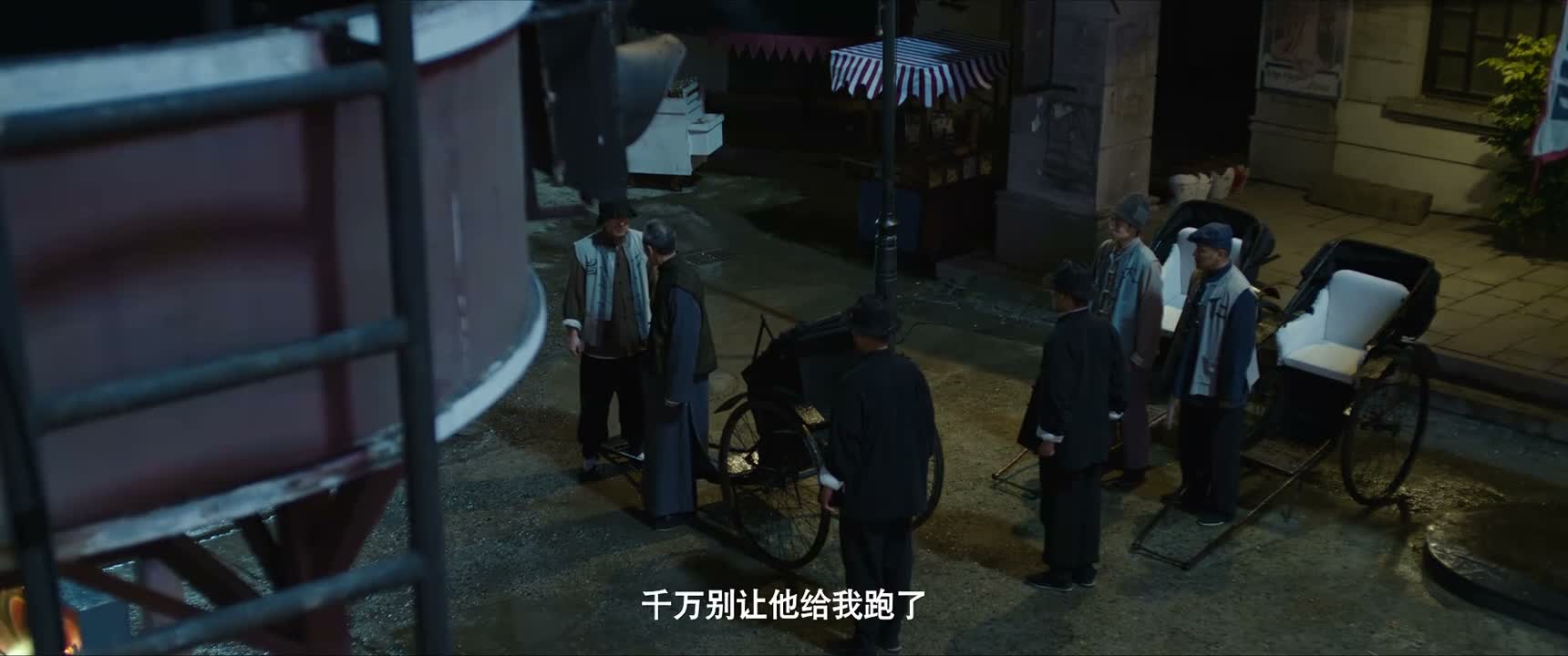 00:02
 00:03
(夏子玉就是主谋 主谋) ── Previous context
“I heard she ran off with a fake letter of introduction Wang Jianhua made for her.”
 00:02
 00:02
 00:03
 00:03
(日本人还没来呢) ── Previous context
“and you ran away first! Leaving us civilians behind,”
 00:03
(谢谢) ── Previous context
“I finally managed to escape from the rebel army at the border market. Thank you.”
 00:03
(人是他们自己去相看的 婚也是他们自己到那边定的) ── Previous context
“They even slept together. Now that the girls ran away, they came to me.”
 00:02
(院长 大部队都撤了 我们也跑吧 是啊) ── Previous context
“If we all run away, what about these wounded?”
 00:02
 00:02
 00:02
(之前广天门弟子传错消息) ── Previous context
“It made us run to such a distant place for nothing.”
 00:02
 00:02
 00:02
 00:03
(所以我需要找两个替死鬼 扔在救生艇上) ── Previous context
“and make it look like they escaped. That way, Miss Dong will jump to the conclusion”
 00:02
(晓兰) ── Previous context
“Stop right there! Xiaolan, stop running! I said stop! Come back with me, okay?”
 00:03
(就算你拦 没拦住) ── Previous context
“and they left, where could they go? The end of the earth?”
 00:02
 00:03
(对对对 接风 这杯酒不是接风 今儿我正上着班呢) ── Previous context
“when I heard someone ran off with my daughter.”
 00:02
 00:03
(你为什么不追人呢 我告诉你那天我要在的话) ── Previous context
“I would never have let anyone get away. Yeah, yeah, you're the most capable!”
 00:03
(我们一帮蠢蛋 紧赶慢赶赶到柳镇) ── Previous context
“We only realized when we arrived that those people had already fled.”
 00:02
 00:03
(大家说得一点都没错) ── Previous context
“See? When trouble comes, you just give up first. You're easily swayed.”
 00:02
 00:02
 00:02
 00:02
[Scene: 其他场景]
(6 clips) 00:03
(我爸不是特别爱夜钓吗 我天天听他抱怨) ── Previous context
“He says those dredgers rumble all night, scaring all the fish away.”
 00:02
 00:02
 00:02
 00:02
 00:03
[Scene: 商务沟通]
(2 clips) 00:02
 00:03
(我跟你说啊) ── Previous context
“Listen, you need to stay sharp. Don't let the Northeast Five Hus slip away.”
📌 来来来
→Nuance: 同向近义词根配对: [以后 ↔ 往后]
📌 行了行了
→Nuance: 同为责备后安慰找到的意图
📌 快走
→Nuance: 同为指引方向追踪寻找目标
📌 知道吗
→Nuance: 核心告诫意图完全一致
📌 气死我了
→Nuance: 第一人称反问变体,意图相同
📌 得了
→Nuance: 口语化第一人称变体
📌 得了
→Nuance: 同义俗语反问句式,交际意图一致
📌 小心
→Nuance: 同为提醒小心被人暗算/拐带
📌 小心
→Nuance: 核心均表担心被拐跑