他跑了 能跑到哪儿去 跑天涯海角吗
“and they left, where could they go? The end of the earth?”
THE DIALOGUE REEL
就算你拦 没拦住
“Even if you stopped them, failed,”
他 跑了 能 跑 到哪儿去 跑 天涯海角 吗
“and they left, where could they go? The end of the earth?”
如果我们不拦 就来不及了 来不及
“If we didn't stop them, it would be too late. Too late?”
“Calm down, he cannot get far anyway, so stop overreacting.”
Chinese speakers frequently use rhetorical framing like 'where could they go' to defuse immediate panic and assert control over a chaotic situation.
LEARNING CHUNKS & PARTICLES
where could (someone) possibly run to
A rhetorical question used to express that an escaping person has nowhere feasible to hide.
the ends of the earth; the most distant corners of the world
A common four-character idiom (chengyu) used hyperbolically to emphasize extreme physical or metaphorical distance.
Marks a rhetorical question to mock the listener's anxiety and emphasize the impossibility of the scenario.
VOCABULARY & EXPRESSIONS
Parallel Spoken Cinema Scenes (语义近邻切片)

“Ran off? Where to?”

“But no matter where I run, he tracks me down.”

“Where have you been?”
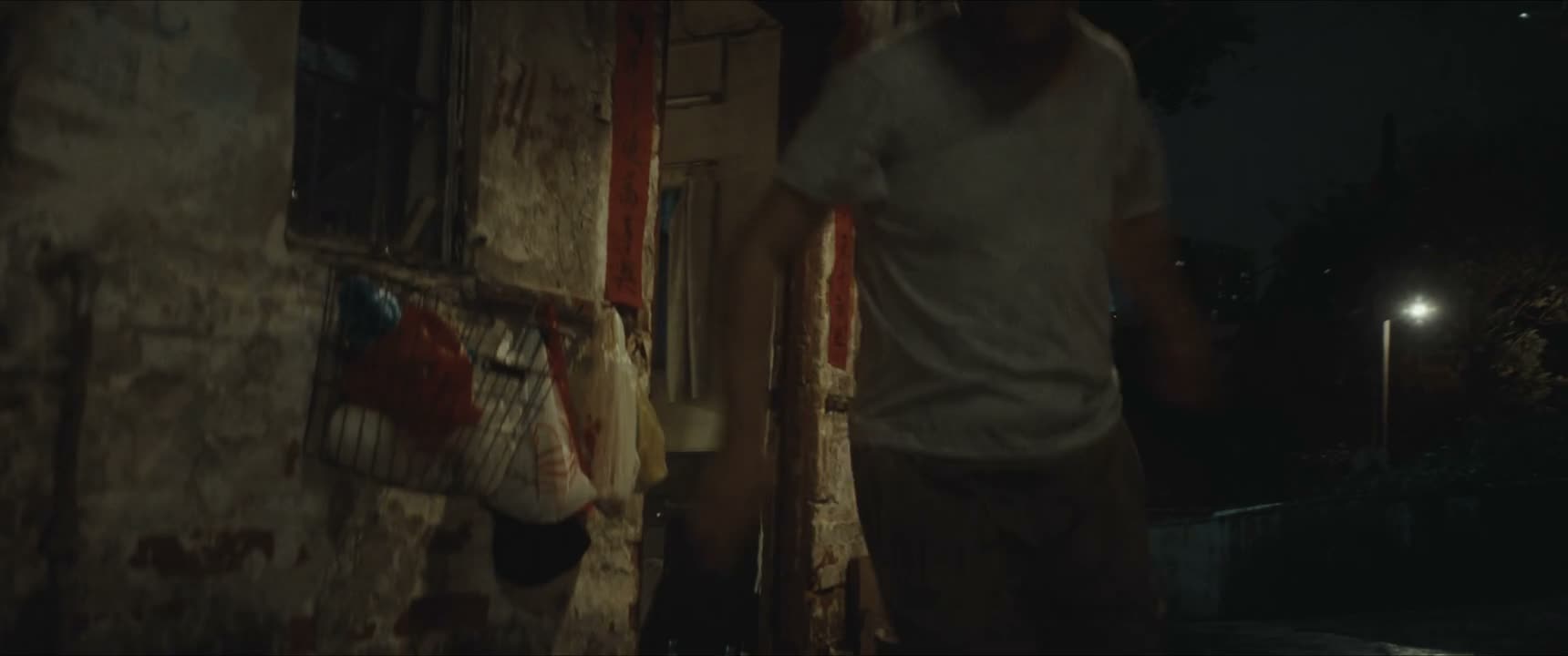
“Where do you think you're going? Get back here.”

“Run! Where do you think you're going?”

“I'll catch you no matter where you run.”