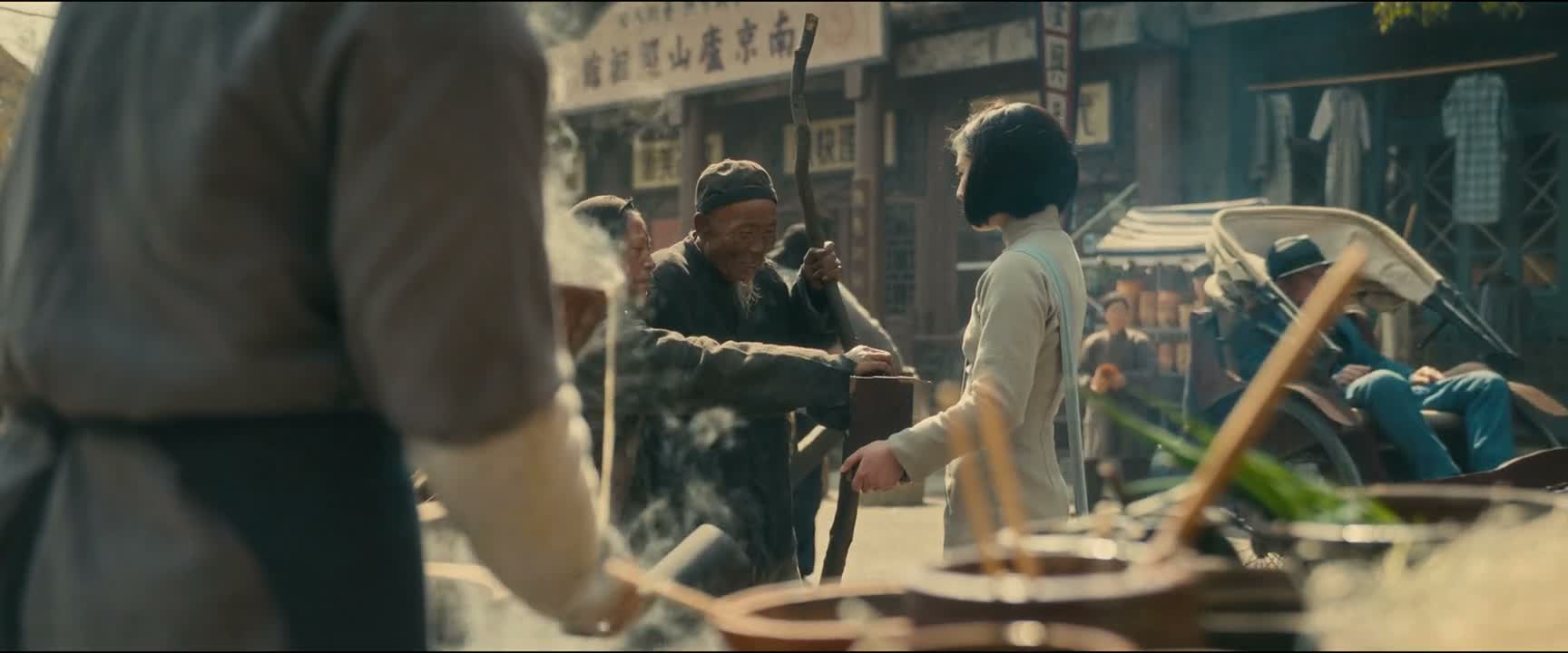
把鬼子打跑了
“When we drive the Japanese away,”
THE DIALOGUE REEL
苦难当 奔他方 骨肉流散父母丧
“With unbearable suffering, we fled elsewhere. Families were scattered, parents died.”
把鬼子打跑了
“When we drive the Japanese away,”
你想做些什么
“what do you want to do?”
“There is no point thinking about personal plans until this war is won.”
In 20th-century Chinese wartime cinema, individuals frequently postpone personal dreams, family life, and romance until national sovereignty is restored.
LEARNING CHUNKS & PARTICLES
to drive away; to repel by force
A common resultative verb compound combining 'hit' and 'run away', often used in combat or driving off pests and bullies.
devils; invaders (historically referring to imperialist invaders)
A highly emotionally charged historical derogatory term; learners should recognize it in period dramas rather than use it in modern conversation.
Marks the completion of an action, establishing a hypothetical completed condition before moving forward.
VOCABULARY & EXPRESSIONS
Parallel Spoken Cinema Scenes (语义近邻切片)
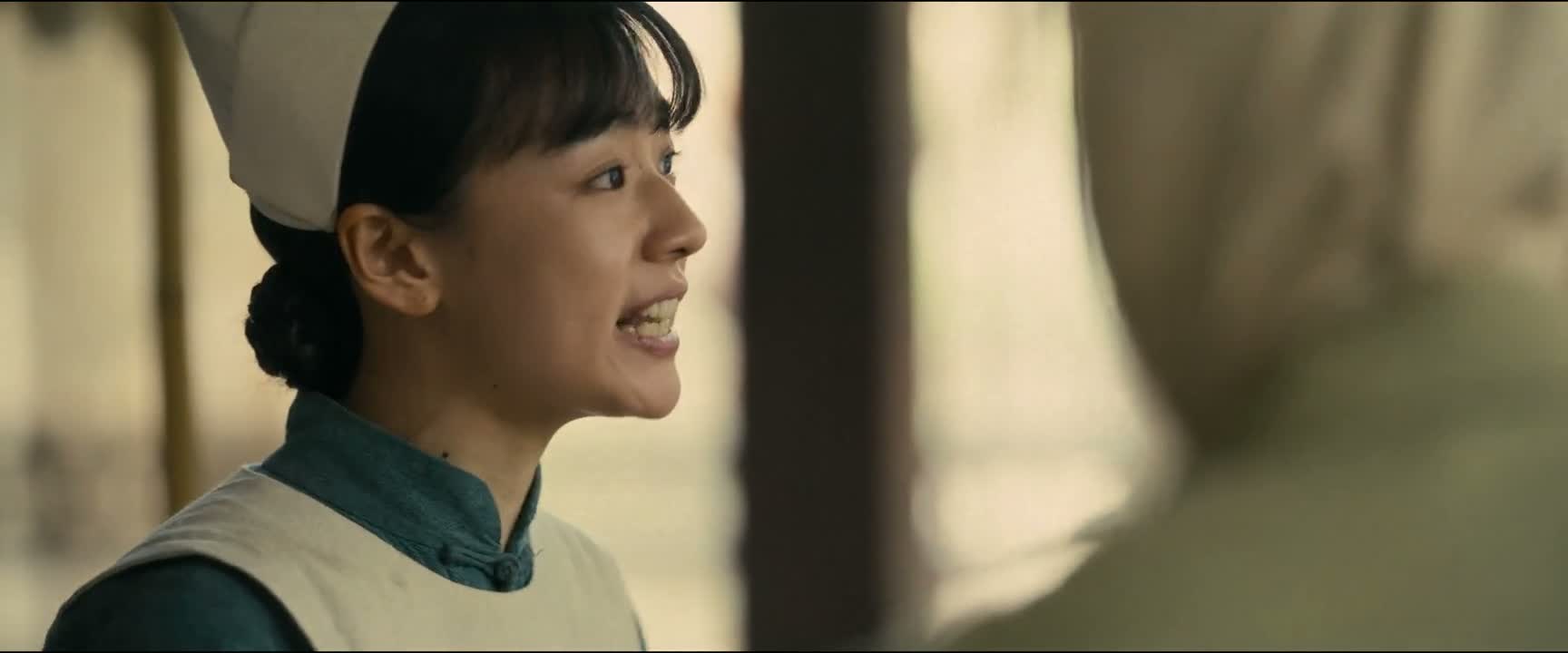
“Go back to the battlefield and fight the demons. I want to fight them too.”

“(Ningzhou County Qinqiang Opera Troupe) Down with the Japanese soldiers! Down with the Japanese soldiers!”
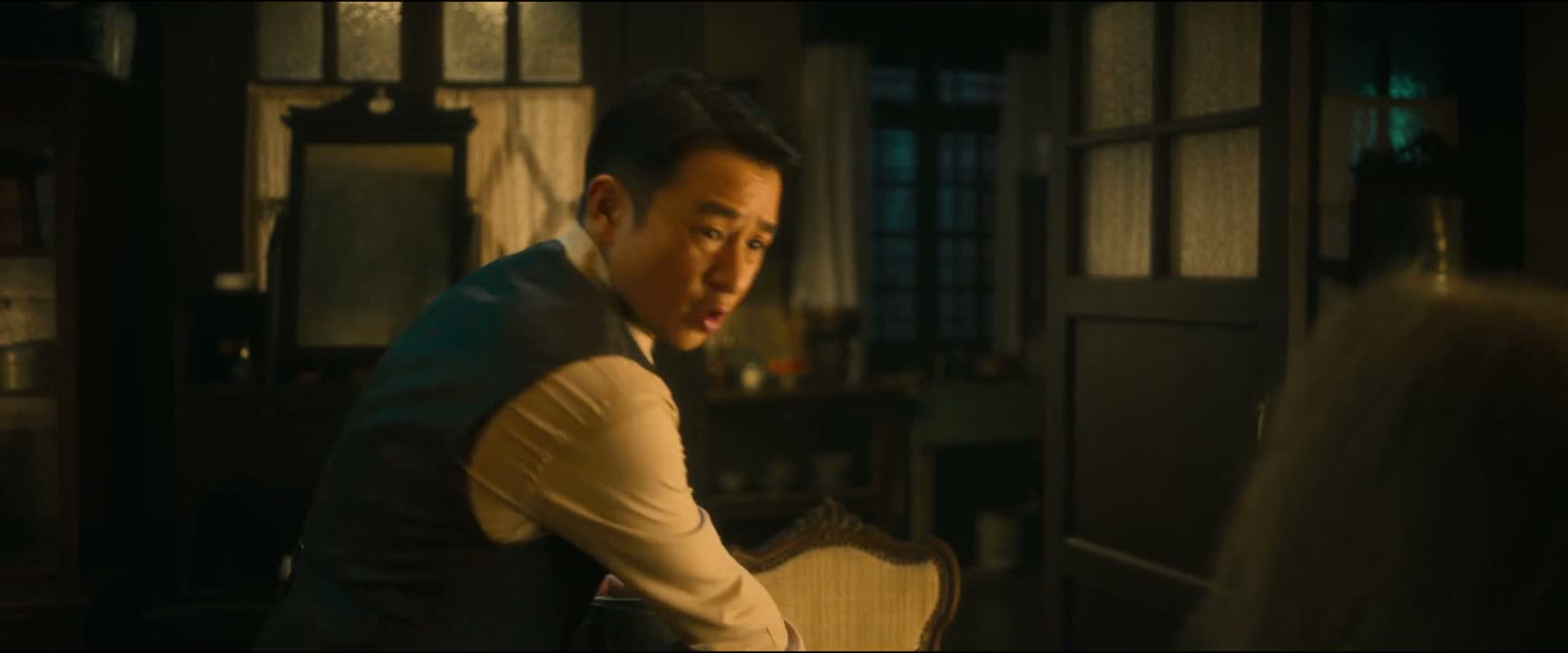
“The Japs are powerless now.”
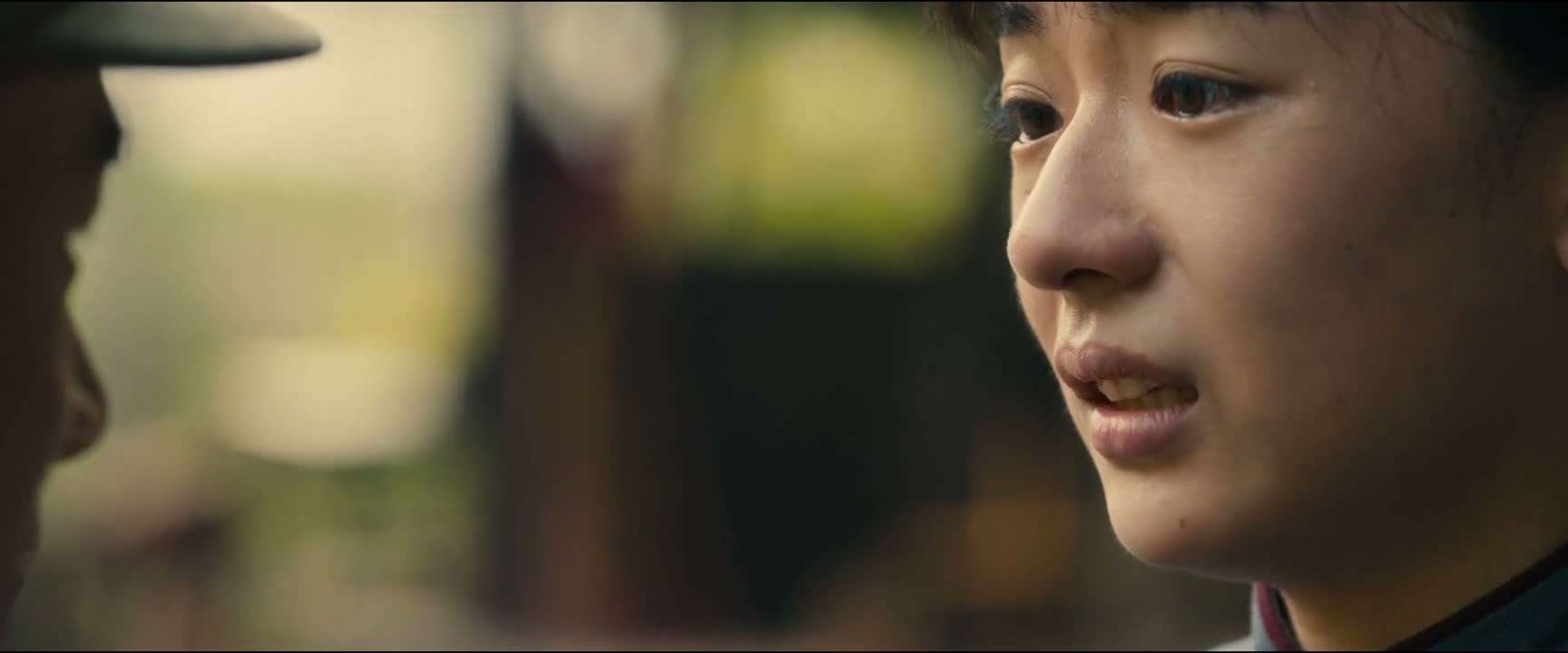
“Then you fight the Japanese well.”
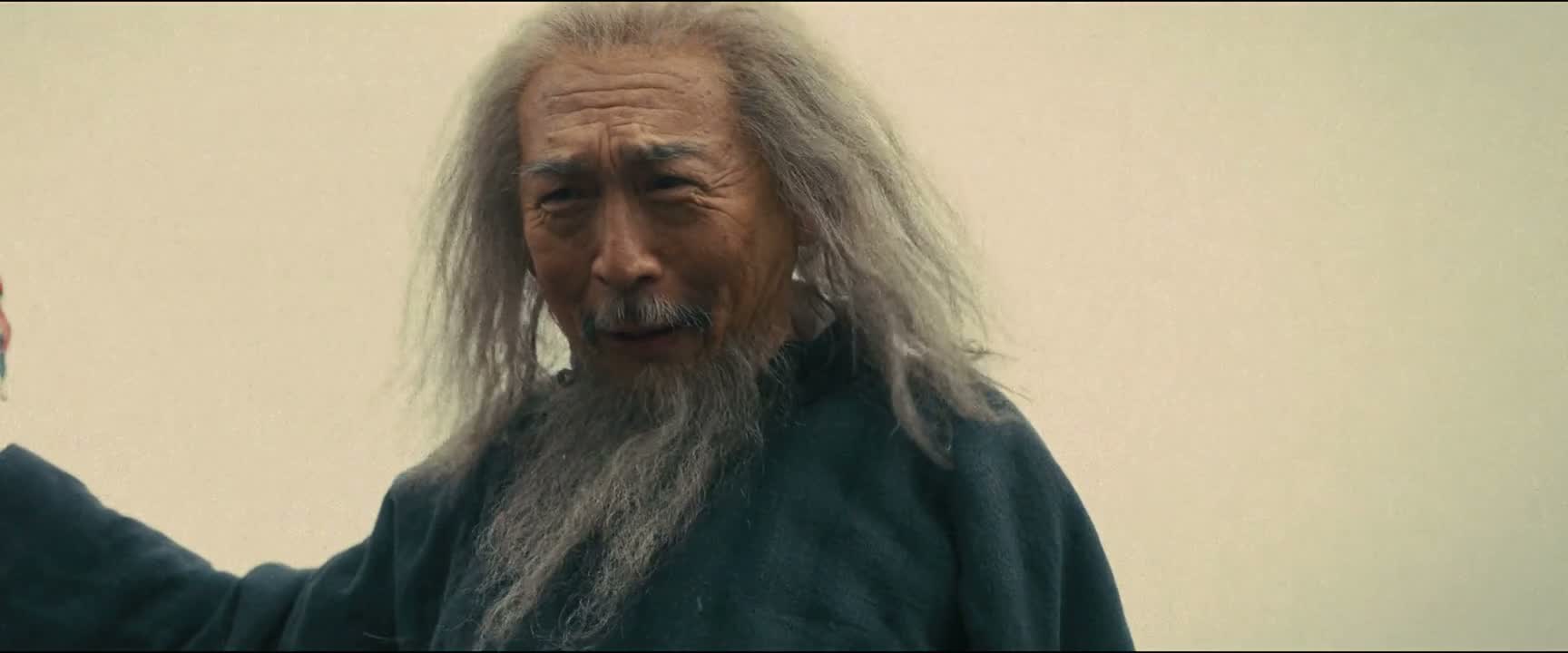
“Japanese devils, get out of China!”
“Kill a few more Japanese. Thank you. Where did this runaway general come from?”