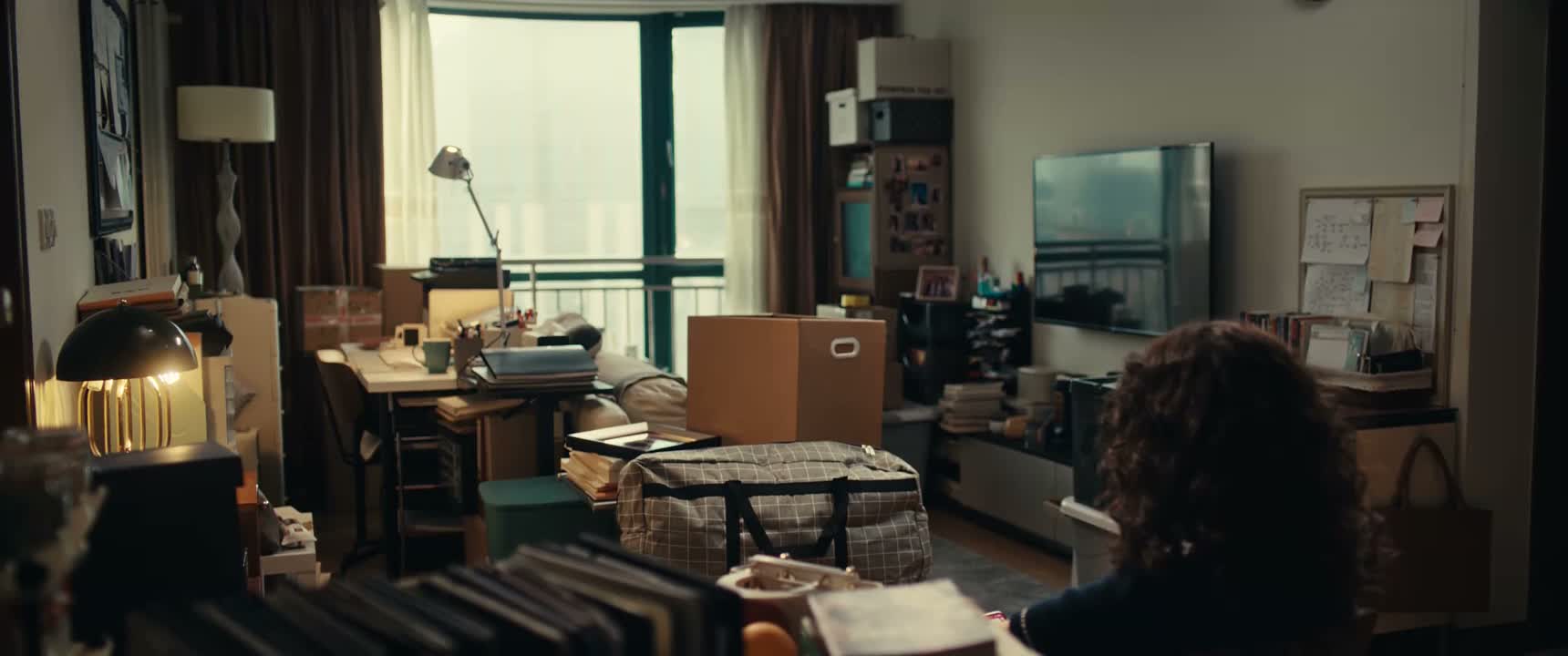
我房子没了 你想让我回哪去
“My unit is gone. Where do you expect me to go?”
THE DIALOGUE REEL
“Pack your things. Go. Get out. I'm not leaving.”
我 房子没了 你想让我 回哪去
“My unit is gone. Where do you expect me to go?”
“Do you expect us to sleep on the street?”
“I have nowhere else to live, so stop driving me out—I am staying right here.”
In Chinese culture, having shelter is fundamental to dignity; being rendered homeless evokes strong moral entitlement to refuse eviction by family members.
LEARNING CHUNKS & PARTICLES
the house/apartment is gone
A blunt colloquial way to state the loss of living quarters.
where on earth do you expect me to return to?
A classic rhetorical pattern ('想让...回哪去') used to protest unreasonable demands to leave.
Indicates a completed state of loss regarding the house.
VOCABULARY & EXPRESSIONS
Parallel Spoken Cinema Scenes (语义近邻切片)

“I plan to terminate the tenancy agreement.”

“I'm only taking back what's mine.”

“this will get your unit back?”

“I hope you find a new place soon and move out of my house as quickly as possible.”
“If you sell this place, where will you live?”

“won't drive me back home.”