老身也就无需隐瞒了
“there's no need to keep it secret anymore,”
THE DIALOGUE REEL
世子殿下 霍大人 既然你们都已经发现了
“Your Highness, Prefect Huo, since you have already discovered this,”
老身也就 无需隐瞒 了
“there's no need to keep it secret anymore,”
以免日后误会
“so as to avoid any future misunderstandings.”
“Since you caught me red-handed, I will confess before you force me.”
Historical Chinese speech required speakers, especially those of lower rank or elderly status addressing nobility, to use self-deprecating pronouns like 'laoshen' to show deference.
LEARNING CHUNKS & PARTICLES
this old woman; I (humble self-reference used by elderly women)
A classical, formal self-address strictly used by elderly women in historical or period dramas.
no need to conceal; no point in hiding
A formal set phrase used when deciding to make a candid confession or reveal the truth.
Marks a change of state, indicating that circumstances have shifted such that keeping the secret is no longer necessary or viable.
VOCABULARY & EXPRESSIONS
Parallel Spoken Cinema Scenes (语义近邻切片)

“I'm not sure about the reason.”

“Forgive my presumption. No, it's fine. Granny,”

“Normally, Ye should've kept his distance”

“anything special about it.”
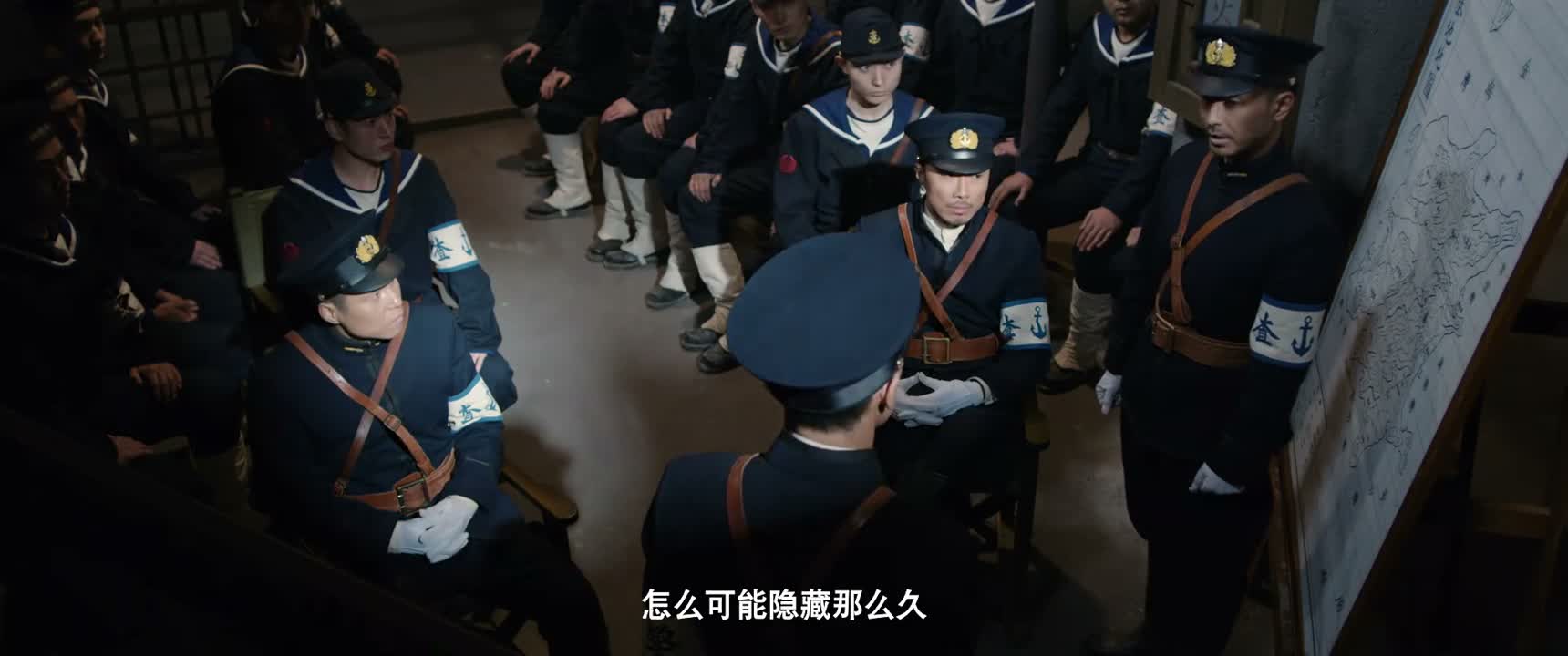
“...how could he hide for so long?”

“The villagers dare not say anything.”