跟我客气啥
“Don't be so polite?”
THE DIALOGUE REEL
谢谢
“Thanks.”
跟我客气啥
“Don't be so polite?”
来
“Here.”
“We are close friends, you don't need to thank me like a stranger.”
In Chinese culture, excessive politeness ('keqi') toward close friends or family can be perceived as emotional distance; dismissing it emphasizes insider closeness ('zijiren').
LEARNING CHUNKS & PARTICLES
polite; courteous; standing on ceremony
Used frequently to describe interpersonal manners; often negated to foster closer intimacy.
don't stand on ceremony with me; no need to thank me
A warm, colloquial Northern-influenced phrase to deflect thanks between close friends or relatives.
VOCABULARY & EXPRESSIONS
Parallel Spoken Cinema Scenes (语义近邻切片)
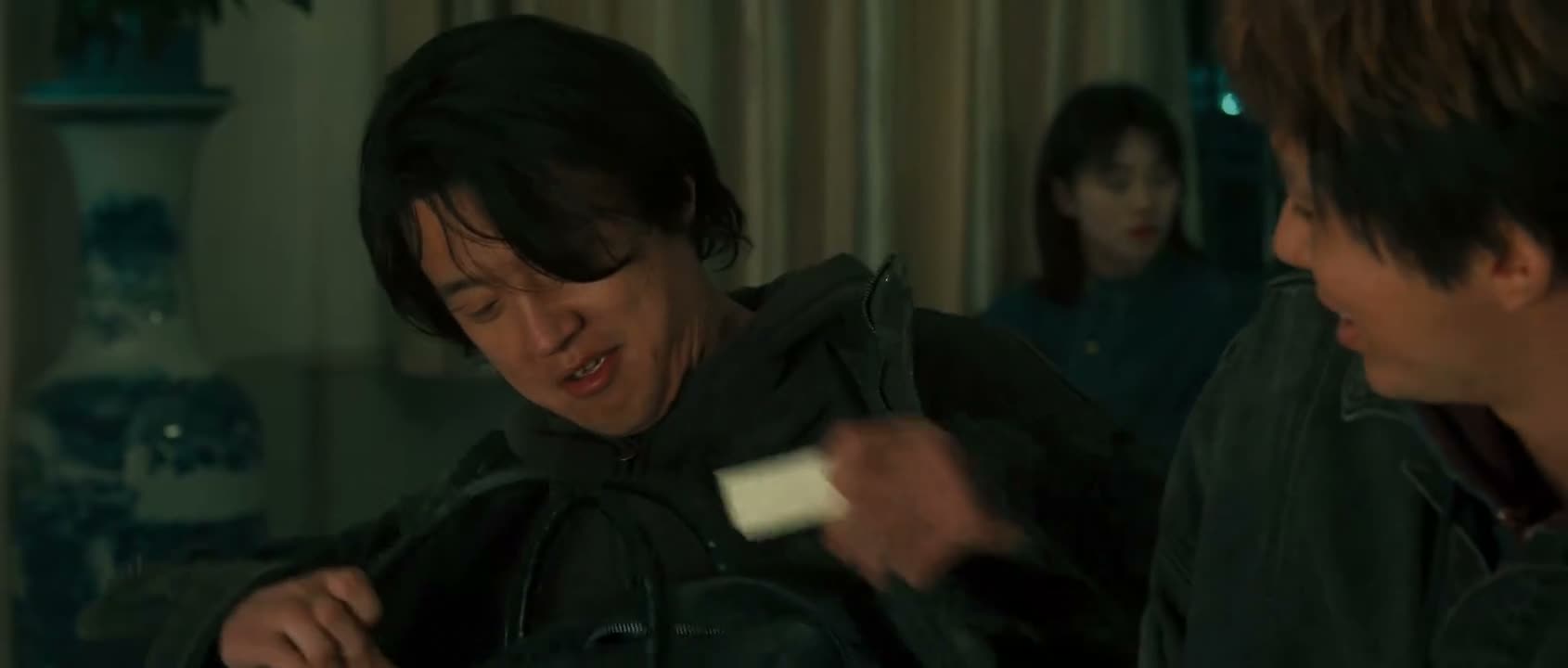
“Don't mention it.”

“No need to be polite with me.”
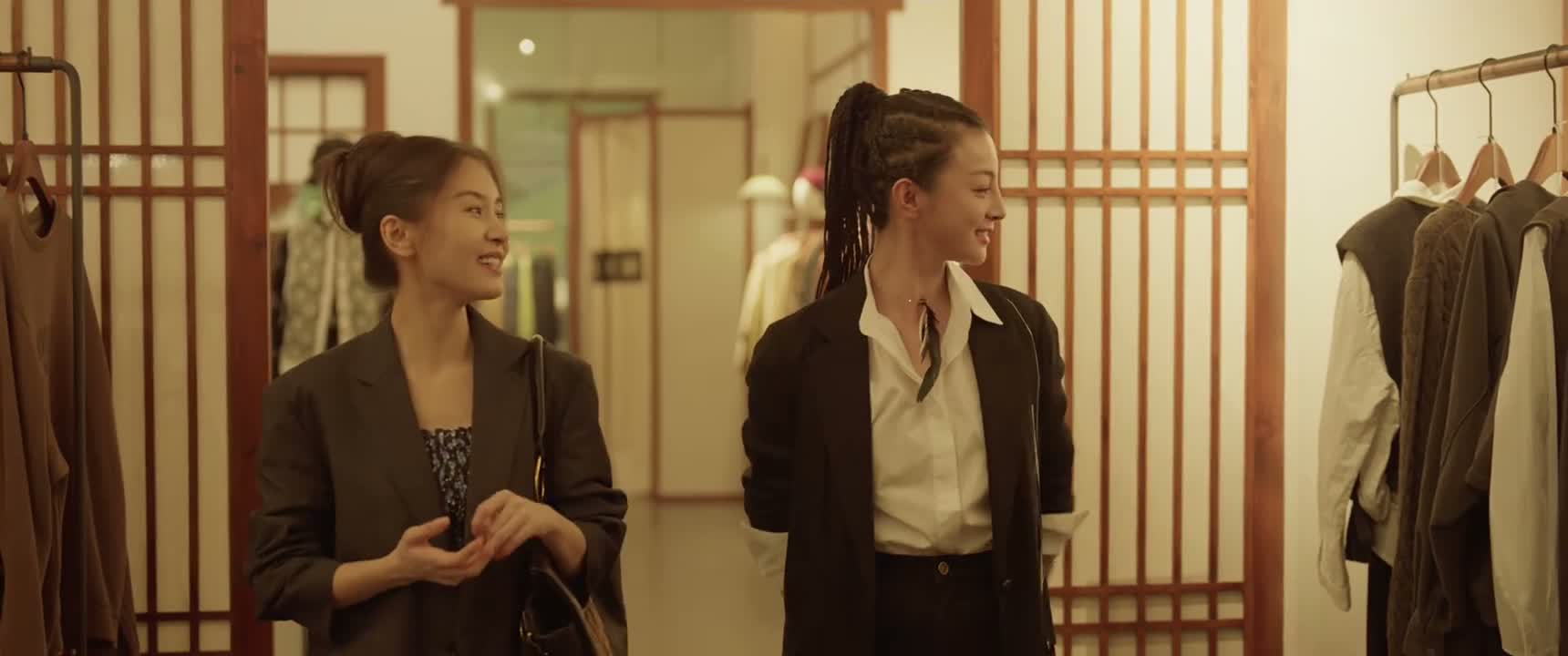
“You don't have to be polite with me.”
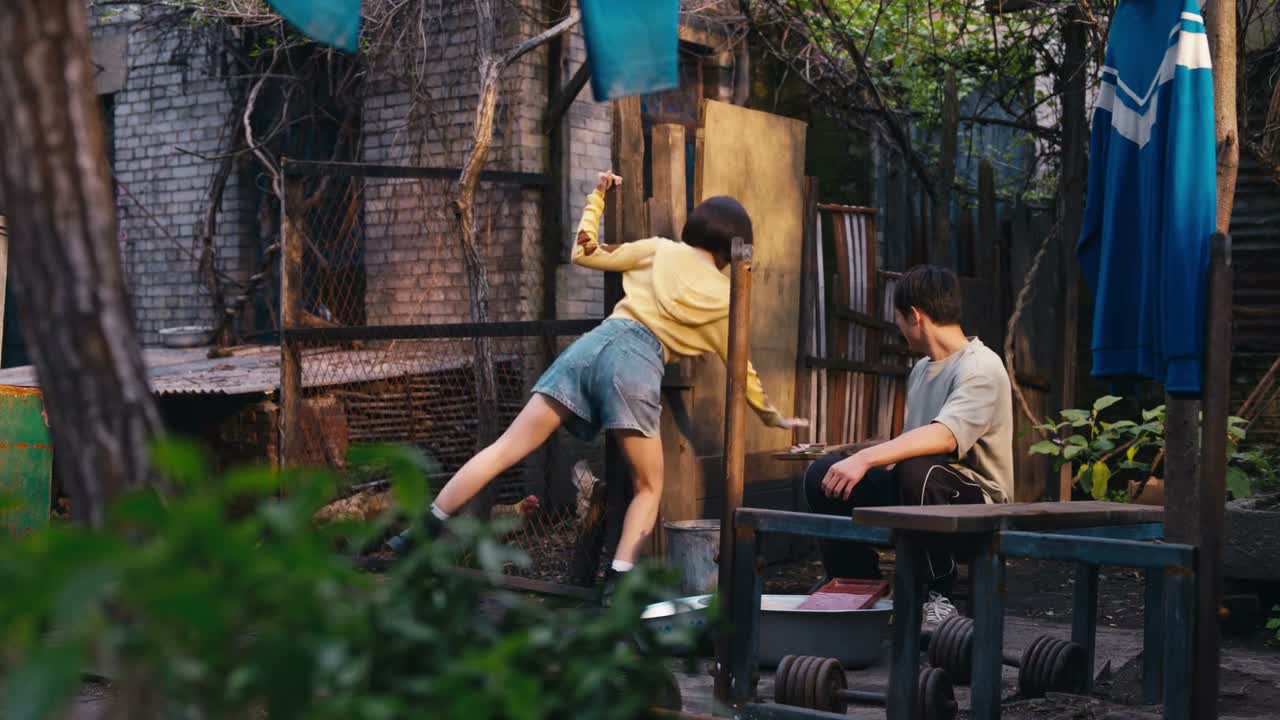
“Such a courteous lady, aren't you?”

“You shouldn't have. Come. Mujing, sit.”