MC
MandarinClips Cinema Corpus
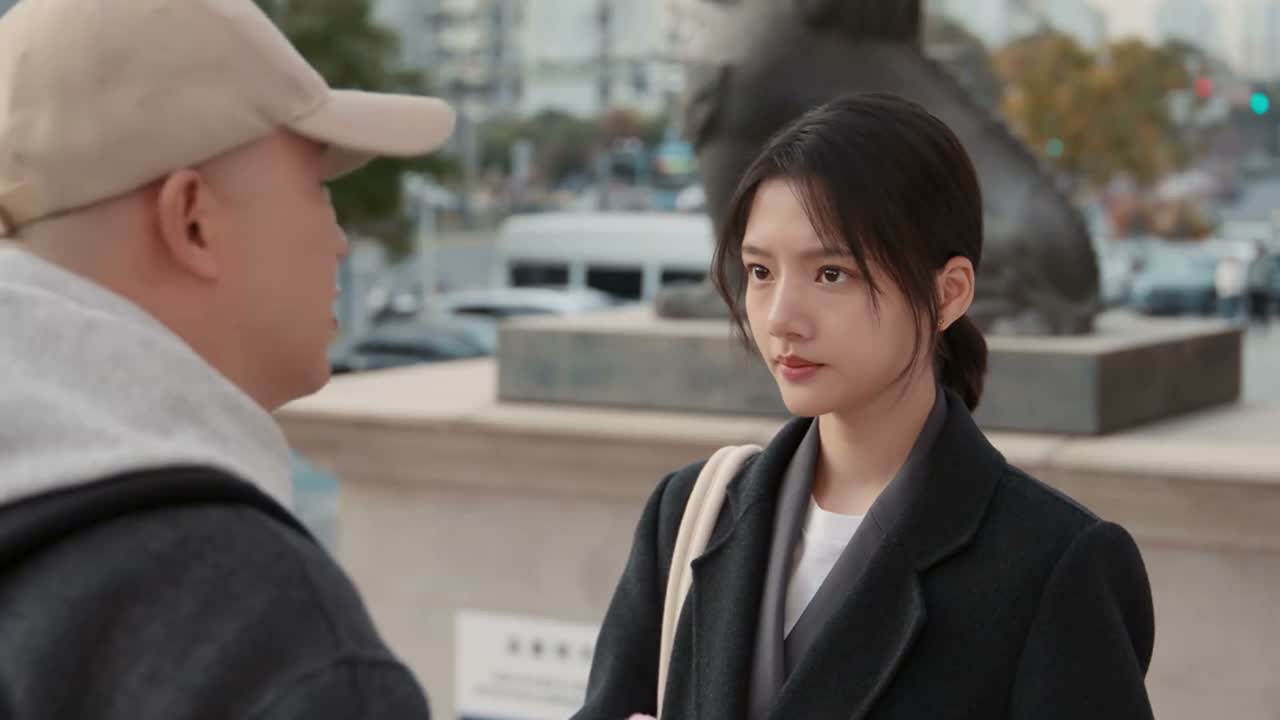
《Eight Hundred》 S1·E20 (32:05) HSK 2
tā bié nào chū diǎn shén me shì lái

他别闹出点什么事来

“I don't want him to cause a scene. Forget it, just let him go.”

《Eight Hundred》 S1·E20
TIMECODE: 32:05 · 1080P MASTER AUDIO

THE DIALOGUE REEL

1+1+1 SPOKEN CONTINUITY
[-1] PREVIOUS TURN tā pí qì bù hǎo

他脾气不好

“He has a bad temper. I don't want him to cause a scene.”

tā bié nào chū diǎn shén me shì lái CURRENT FOCUS

他 别闹 出点什么事 来

“I don't want him to cause a scene. Forget it, just let him go.”

[+1] FOLLOW-UP TURN suàn le

算了

“Forget it, just let him go.”

Subtitles synced to millisecond timecode Browse Show Clips →
Scene: Daily Life
Function: EXPRESSING CONCERN
Tone: CAUTIOUS
Emotion: WORRY
WHAT THEY REALLY MEAN (PRAGMATIC SUBTEXT)
“I'm genuinely worried he might lose his temper and cause a massive scene.”
💡 Cultural Insight: Preventing Public Scenes (Bie Nao Shi)

Chinese interpersonal dynamics place high value on social harmony and avoiding disruptive public scandals or outbursts.

INTENT TAGS: #worry #caution #anticipation #troubleshooting
🧩

LEARNING CHUNKS & PARTICLES

2 CHUNKS · 1 PARTICLES
闹出点什么事来 SPOKEN CHUNK

stir up some trouble; cause a scene

Used idiomatically when anticipating reckless behavior or disruptive incidents created by an erratic person.

别……来 SPOKEN CHUNK

lest / hopefully (someone) won't...

A spoken grammatical construction expressing apprehension or a negative wish that something unfortunate won't occur.

Modal Particle「来」 (lai) CHANGE OF STATE

Functions as a directional complement indicating the emergence or unfolding of trouble.
🏮

VOCABULARY & EXPRESSIONS

2 EXPR · 0 GRAMMAR
CROSS-CINEMA CORPUS BOARD · PARALLEL SCENES

Parallel Spoken Cinema Scenes (语义近邻切片)

EXPLORE BY SEMANTIC SIMILARITY
《Eight Hundred》 S1·E20 (32:05) · Authentic Cinema Dialogue Corpus