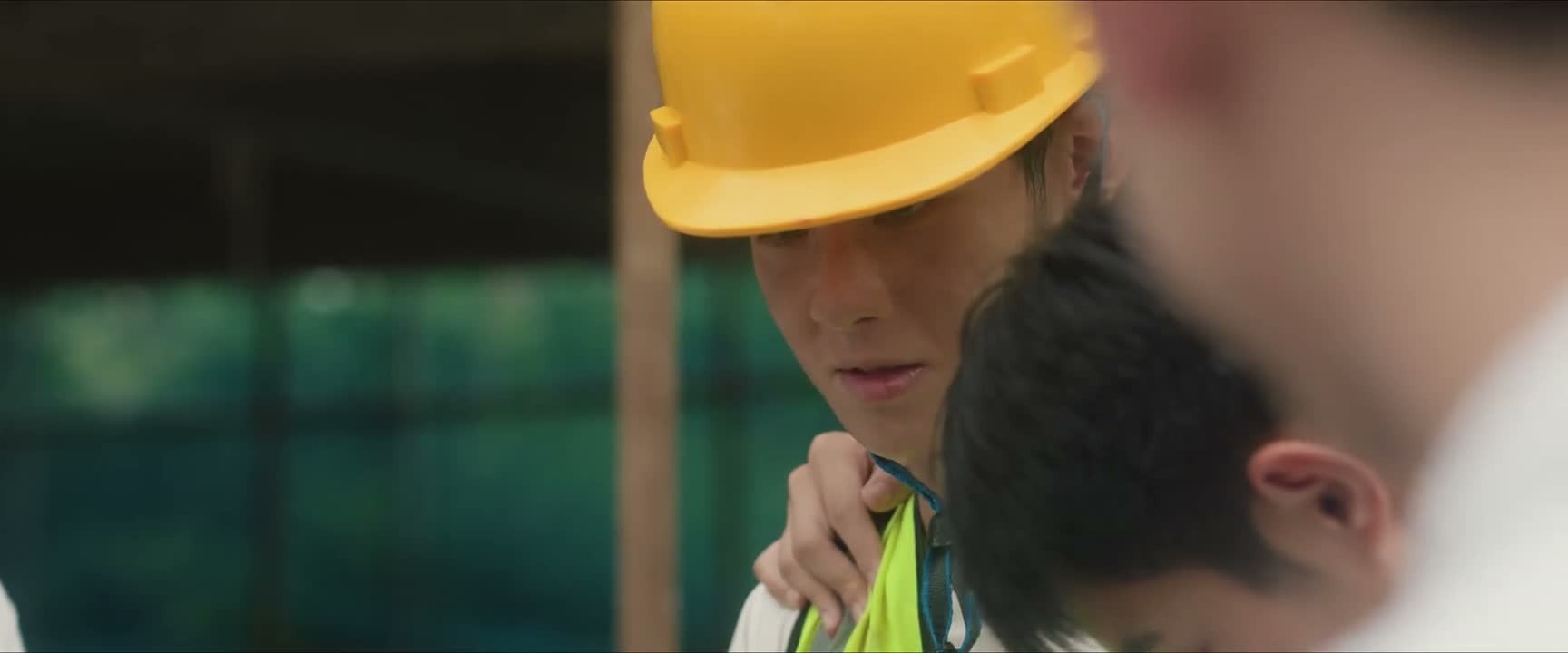
《COURT!》 S1·E23 (18:16)
HSK 5
nǐ dǎ wǒ mà wǒ dōu xíng
你打我骂我都行
“You can hit me or scold me,”
《COURT!》
S1·E23
TIMECODE: 18:16
·
1080P MASTER AUDIO
THE DIALOGUE REEL
[-1] PREVIOUS TURN
wǒ duì bù qǐ nǐ
我对不起你
“I've wronged you.”
nǐ dǎ wǒ mà wǒ dōu xíng
CURRENT FOCUS
你 打我骂我都行
“You can hit me or scold me,”
[+1] FOLLOW-UP TURN
nǐ bù néng zǒu
你不能走
“but you can't leave.”
Subtitles synced to millisecond timecode
Browse Show Clips →
Scene:
Crisis & Conflict
Function:
DESPERATE PLEA
Tone:
PLEADING
Emotion:
GUILT
WHAT THEY REALLY MEAN (PRAGMATIC SUBTEXT)
“Punish me however you want, just please do not leave me.”
💡 Cultural Insight: Self-Abasement in Apologies
In Chinese emotional drama, expressing willingness to be struck or cursed signifies maximal contrition and an ultimate attempt to earn forgiveness through self-lowering.
INTENT TAGS:
#begging
#contrition
#pleading
#desperation
🧩
1 CHUNKS · 0 PARTICLES
LEARNING CHUNKS & PARTICLES
打我骂我都行
SPOKEN CHUNK
hit me or scold me, whatever you want
A highly dramatic, idiomatic expression of unconditional surrender and deep remorse in intimate relationships.
🏮
1 EXPR · 3 GRAMMAR
VOCABULARY & EXPRESSIONS
COLLOQUIAL EXPRESSIONS:
CROSS-CINEMA CORPUS BOARD · PARALLEL SCENES
EXPLORE BY SEMANTIC SIMILARITY
Parallel Spoken Cinema Scenes (语义近邻切片)


《COURT!》 S1·E23 (18:16) · Authentic Cinema Dialogue Corpus