那你说这事咋解决嘛
“So tell me. How do we resolve this?”
THE DIALOGUE REEL
“Put in a good word with Fang's dad.”
那 你说这事 咋解决 嘛
“So tell me. How do we resolve this?”
“We're neighbors. Would I really call the police?”
“Stop telling me to play nice; tell me what realistic options we actually have here.”
Among long-term neighbors, interpersonal friction is traditionally handled through mutual concessions and mediation rather than formal authorities to maintain long-term communal peace.
LEARNING CHUNKS & PARTICLES
how to solve / how should it be resolved
'咋' is a widespread northern colloquial equivalent of '怎么', frequently used in informal spoken exchanges.
put in a good word / speak gently to appease someone
A common idiom meaning to plead, coax, or use pleasant words to placate someone who is upset.
Used at the end of a question or statement to express impatience, pleading, or pointing out an obvious bind.
VOCABULARY & EXPRESSIONS
Parallel Spoken Cinema Scenes (语义近邻切片)

“Then what do you think we should do?”

“What should we do?”
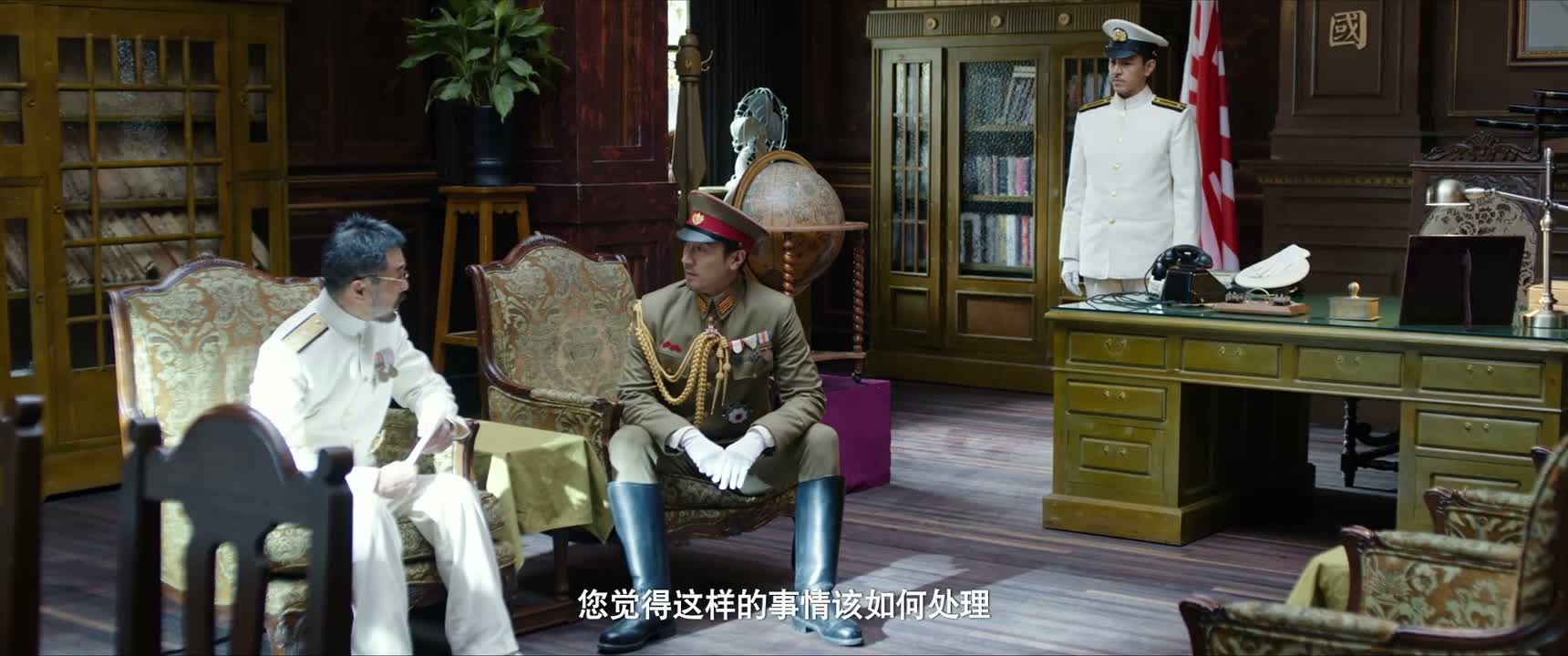
“How do you think such a matter should be handled?”

“If anything had escalated, he'd know how to handle it.”