那你说这事该怎么办啊
“Then what do you think we should do?”
THE DIALOGUE REEL
我为何让你去苏州 而不是别人 此事不宜声张
“Why do you think I asked you to go to Suzhou and not someone else? This matter shouldn't be made public.”
那 你说这事 该怎么办 啊
“Then what do you think we should do?”
你容我想想法子
“Give me some time to think of a way.”
“I'm out of ideas and panicking; you need to solve this problem for us right now.”
In close working or collaborative dynamics, asking 'you tell me what to do' often conveys shared stakes and an urgent plea for mutual strategy rather than an order.
LEARNING CHUNKS & PARTICLES
you tell me / what do you say
A common conversational phrase used to demand an opinion or throw responsibility to the interlocutor.
what should be done
Standard high-frequency chunk used when confronting a dilemma or unexpected obstacle.
Heightens emotional urgency and anxiety at the end of the inquiry.
VOCABULARY & EXPRESSIONS
Parallel Spoken Cinema Scenes (语义近邻切片)

“What should we do?”

“What should we do now?”

“So what now?”

“So tell me. How do we resolve this?”
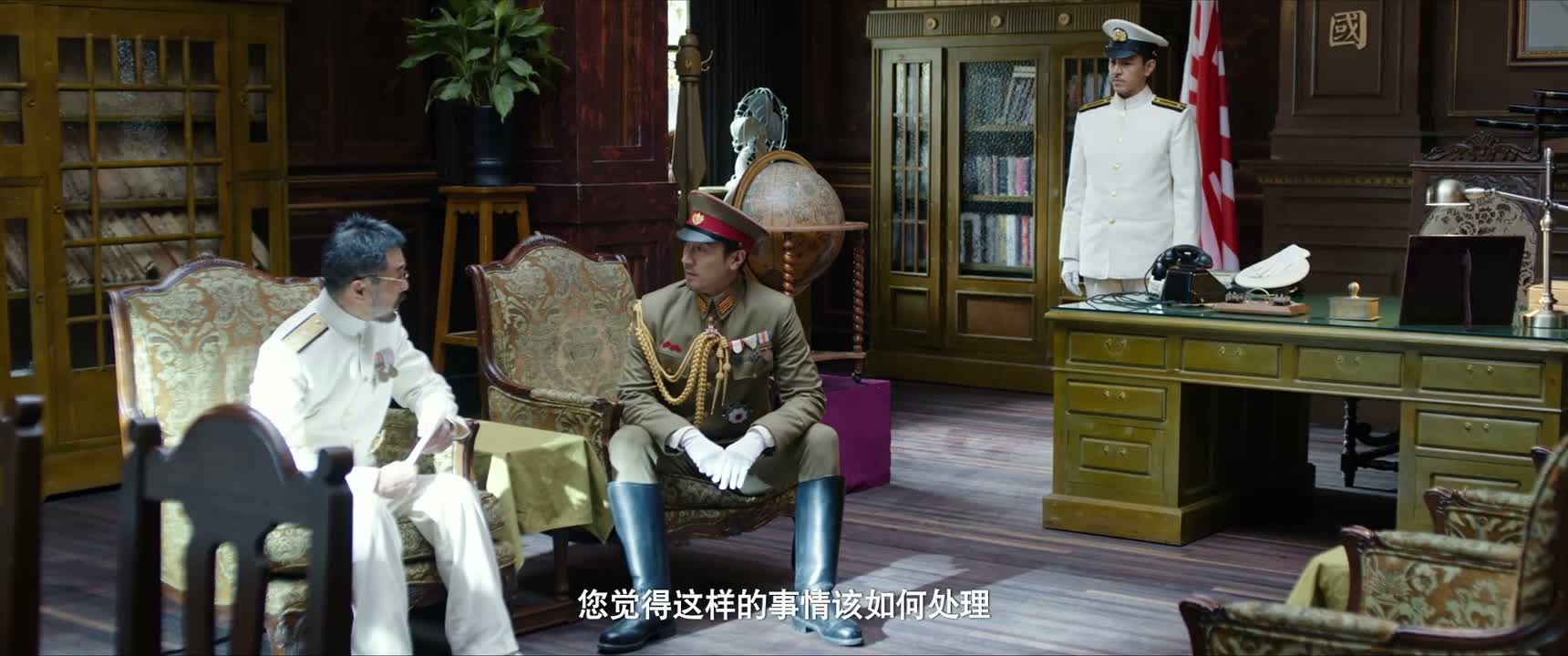
“How do you think such a matter should be handled?”

“What do you think I should do?”