往往是最难过的那一个
“(The one who says no one gets out happy is usually the most miserable.)”
THE DIALOGUE REEL
“(The one who says no one gets out happy is usually the most miserable.)”
往往是 最难过 的那一个
“(The one who says no one gets out happy is usually the most miserable.)”
但其实
“(But actually, the other one isn't having it easy either.)”
“Don't take their harsh words at face value; they are hurting more than anyone else.”
Chinese cultural narratives often emphasize that overt aggression or hostility masks profound inner sorrow and a desperate cry for connection.
LEARNING CHUNKS & PARTICLES
often / more often than not
Used to introduce a recurring pattern, generalized rule, or philosophical truth.
the most sorrowful / the most pained
A common superlative phrase used to describe deep emotional distress or suffering.
VOCABULARY & EXPRESSIONS
Parallel Spoken Cinema Scenes (语义近邻切片)

“This is my hardest time.”

“it really hurt.”
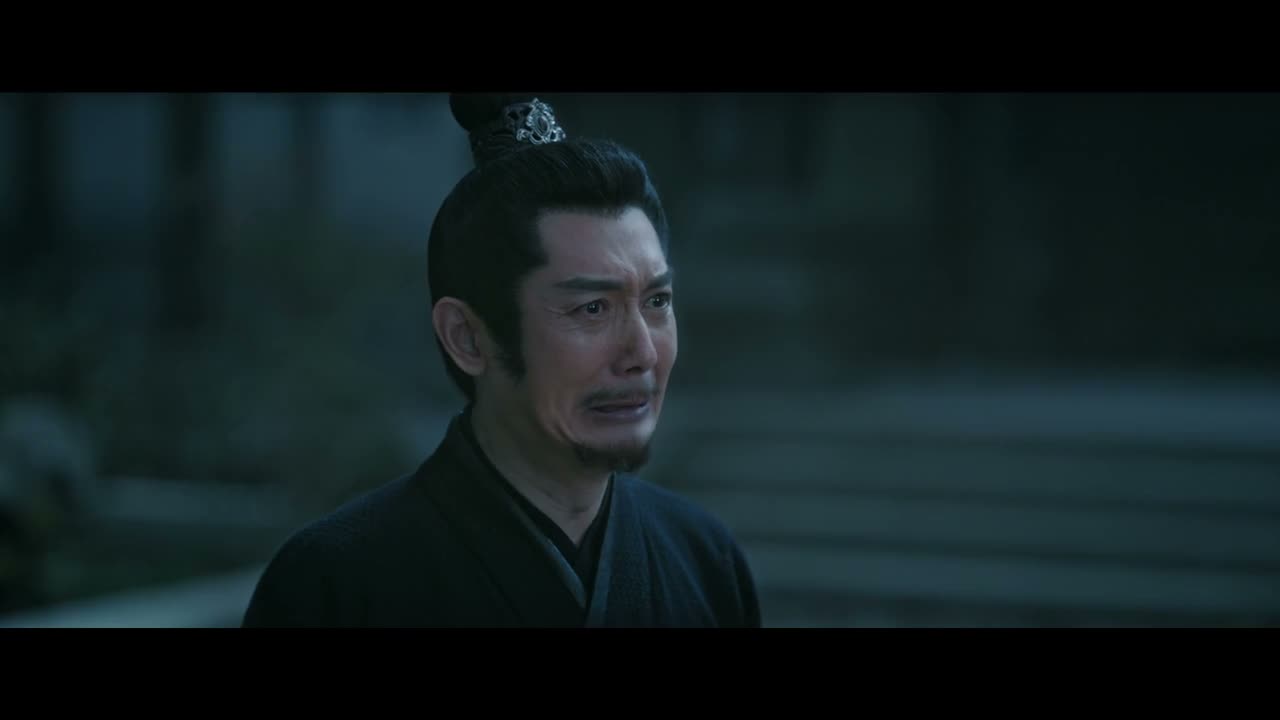
“couldn't help me find that person.”
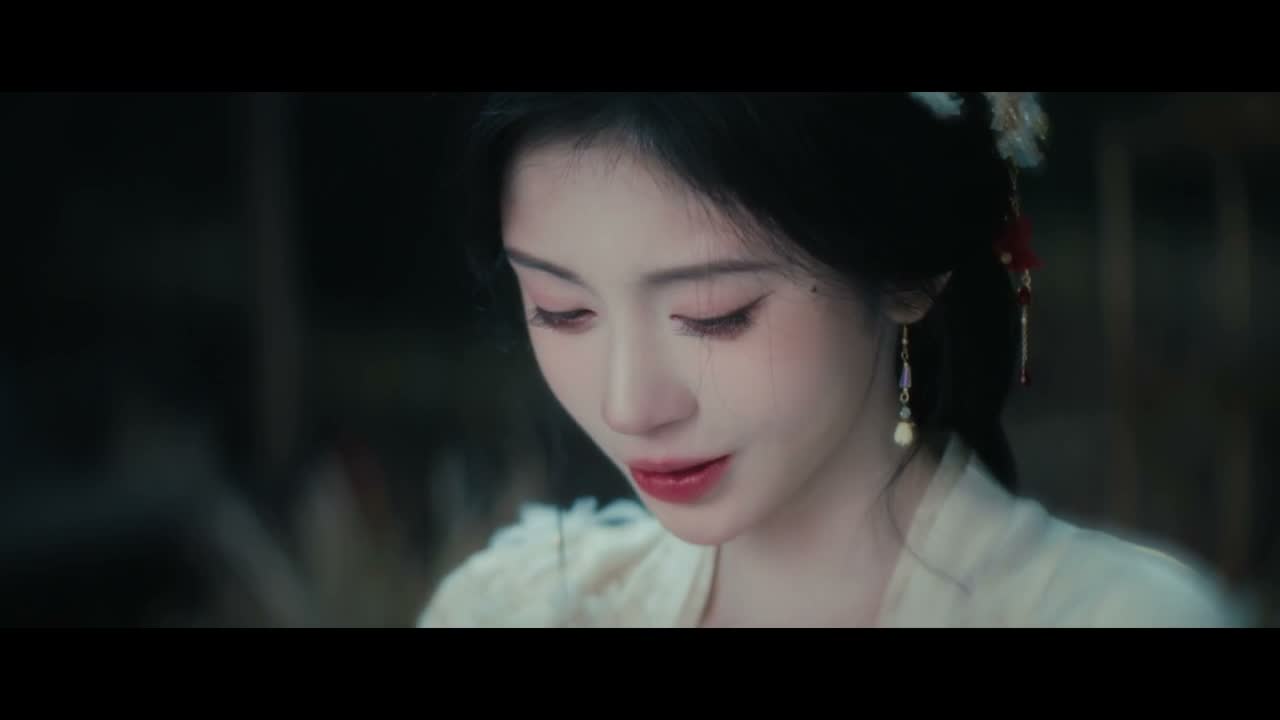
“I'm pretty sad right now.”
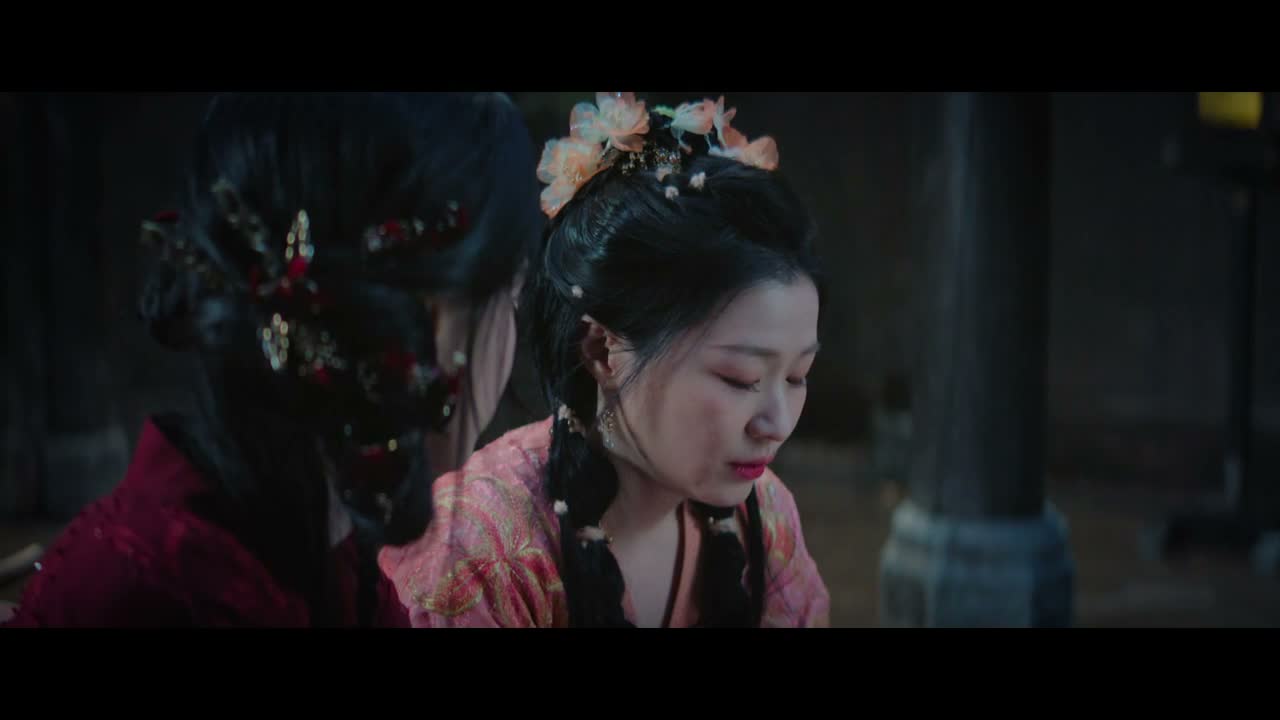
“I am sad.”
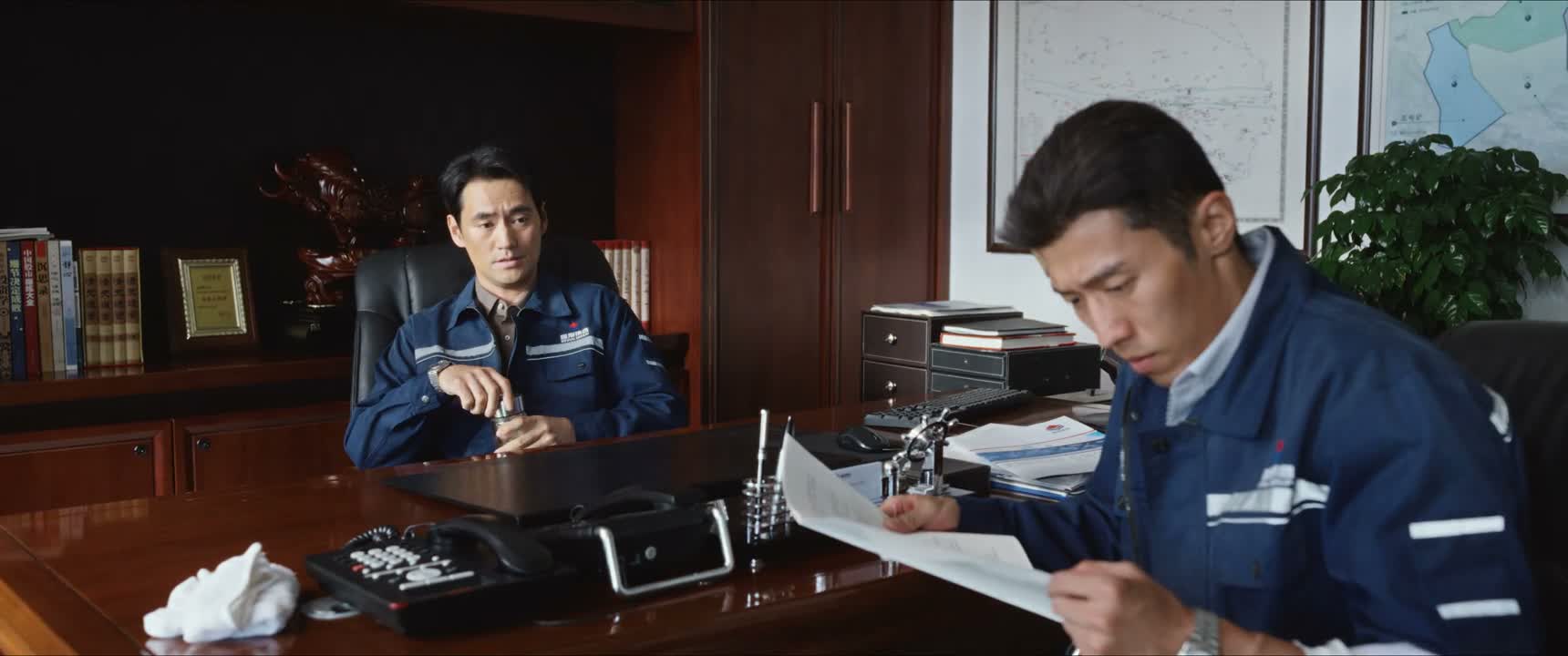
“This is the toughest nut to crack.”