MC
MandarinClips Cinema Corpus
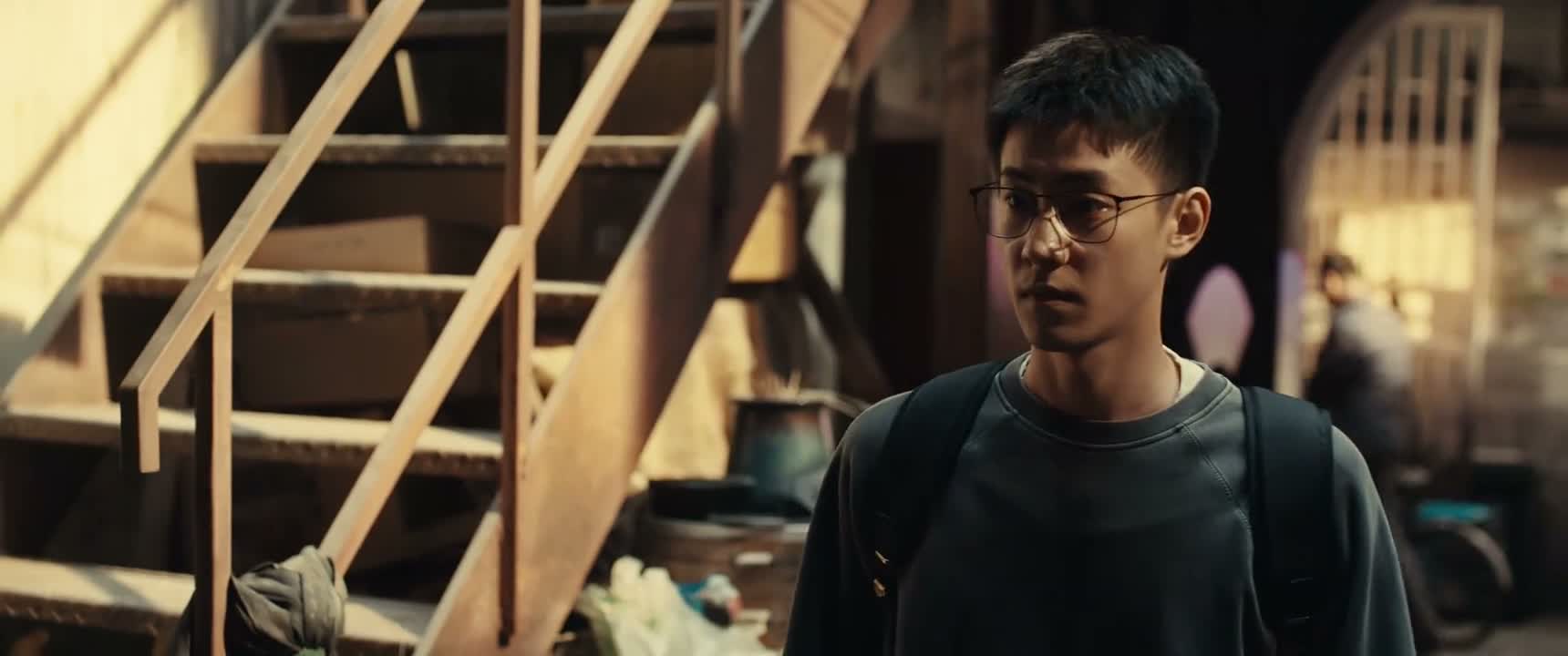
《Love Story in the 1970s》 S1·E28 (38:20) HSK 3
nǐ men kě huí lái le huí lái le kuài lái

你们可回来了 回来了 快来

“You're finally back. - We're back. - Come. Let me help.”

《Love Story in the 1970s》 S1·E28
TIMECODE: 38:20 · 1080P MASTER AUDIO

THE DIALOGUE REEL

1+1+1 SPOKEN CONTINUITY
[-1] PREVIOUS TURN xiǎo fāng fèi ní

小方 费霓

“Fang. Fei Ni.”

nǐ men kě huí lái le huí lái le kuài lái CURRENT FOCUS

你们 可回来了 回来了 快来

“You're finally back. - We're back. - Come. Let me help.”

[+1] FOLLOW-UP TURN lái wǒ lái bāng máng wǒ lái bāng máng màn diǎn méi shì zhè shì shén me ya

来 我来帮忙我来帮忙 慢点 没事 这是什么呀

“- We're back. - Come. Let me help. - Careful. - It's fine. What is this? A piano?”

Subtitles synced to millisecond timecode Browse Show Clips →
Scene: Daily Life
Function: WELCOMING
Tone: ENTHUSIASTIC
Emotion: JOY
WHAT THEY REALLY MEAN (PRAGMATIC SUBTEXT)

Direct spoken expression in this communicative setting.

💡 Cultural Insight: Chinese Communal Warmth (Reqing)

Enthusiastic exclamations and urgent invitations upon greeting reflect core hospitality and neighborhood familiarity in Chinese culture.

INTENT TAGS: #welcoming #greeting #enthusiasm #relief
🧩

LEARNING CHUNKS & PARTICLES

2 CHUNKS · 1 PARTICLES
可回来了 SPOKEN CHUNK

finally returned / back at last

The adverb '可' emphasizes long anticipation or great relief that an expected event has finally happened.

快来 SPOKEN CHUNK

come quickly / come on over

A standard casual imperative used to invite or summon someone eagerly.

Modal Particle「了」 (le) CHANGE OF STATE

Signals change of state, highlighting the long-awaited completion of the arrival.
🏮

VOCABULARY & EXPRESSIONS

2 EXPR · 0 GRAMMAR
CROSS-CINEMA CORPUS BOARD · PARALLEL SCENES

Parallel Spoken Cinema Scenes (语义近邻切片)

EXPLORE BY SEMANTIC SIMILARITY
《Love Story in the 1970s》 S1·E28 (38:20) · Authentic Cinema Dialogue Corpus