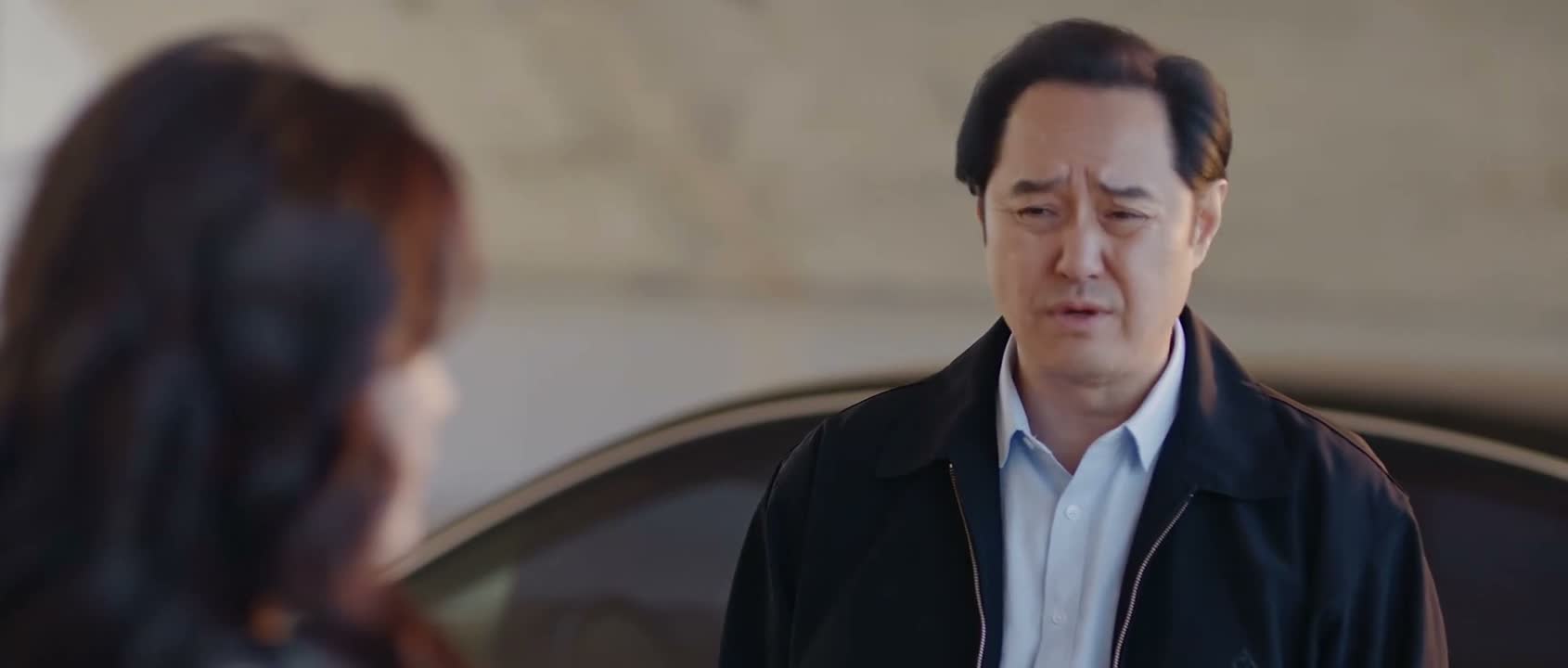
你是怎么一步一步走到今天的
“how did you get here, step by step?”
THE DIALOGUE REEL
侯军
“Hou Jun,”
你是 怎么 一步一步走到今天 的
“how did you get here, step by step?”
饮水咱们还不能忘了思源吧 要不是你逼我
“We shouldn't forget our roots, should we? If you hadn't forced me,”
“Look in the mirror and think about all the shameful things you did to get ahead.”
In Chinese culture, how one achieves success is closely scrutinized; compromising moral integrity or loyalty to advance is deeply stigmatized.
LEARNING CHUNKS & PARTICLES
step by step; gradually
Commonly used to describe a steady, incremental process, whether positive (hard work) or negative (moral decline).
reach where one is today
A frequent idiomatic phrase summarizing a life path or current state, often prompted by reflection or conflict.
Functions as part of the 'shi...de' construction to emphatically inquire about the manner or details of an established past event.
VOCABULARY & EXPRESSIONS
Parallel Spoken Cinema Scenes (语义近邻切片)

“how you got here step by step.”

“how did you come all the way here?”

“how it got to this point.”
“We wouldn't have ended up like this.”