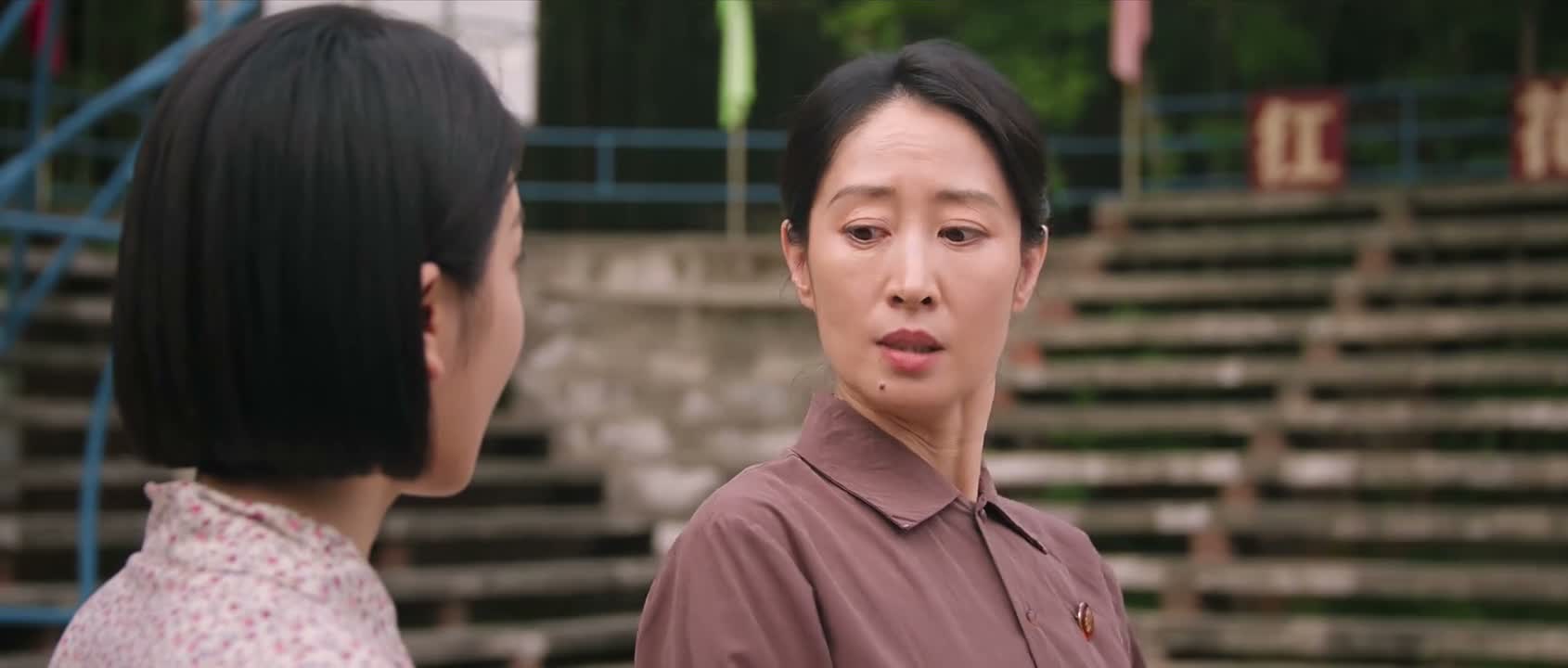
《The Glamorous Night》 S1·E7 (13:06)
HSK 3
bié rén shuō de shuí shuō de
别人说的 谁说的
“Someone else? Who?”
《The Glamorous Night》
S1·E7
TIMECODE: 13:06
·
1080P MASTER AUDIO
THE DIALOGUE REEL
[-1] PREVIOUS TURN
zhè shì zào yáo zào yáo bié rén bié rén shuō de bú shì wǒ shuō de
这是造谣 造谣 别人 别人说的 不是我说的
“Mr. Xu, that is pure slander. Someone else said it. Not me.”
bié rén shuō de shuí shuō de
CURRENT FOCUS
别人说的 谁说的
“Someone else? Who?”
[+1] FOLLOW-UP TURN
wǒ hē zuì le wǒ hē zuì le xíng bù xíng xǔ zǒng duì bù qǐ bào qiàn
我喝醉了 我喝醉了行不行 许总 对不起 抱歉
“I was drunk. I was drunk, okay, Mr. Xu? I'm so sorry.”
Subtitles synced to millisecond timecode
Browse Show Clips →
Scene:
Crisis & Conflict
Function:
DEMANDING EXPLANATION
Tone:
CONFRONTATIONAL
Emotion:
ANGER
WHAT THEY REALLY MEAN (PRAGMATIC SUBTEXT)
“Don't shift the blame to someone else—own up to it or tell me who actually said it.”
💡 Cultural Insight: Accountability versus Rumor-mongering
Deflecting blame by claiming 'someone else said it' (别人说的) is a frequent self-defense tactic to avoid losing face or taking direct responsibility during a workplace conflict.
INTENT TAGS:
#interrogation
#confrontation
#fact_checking
#challenging
🧩
2 CHUNKS · 0 PARTICLES
LEARNING CHUNKS & PARTICLES
别人说的
SPOKEN CHUNK
someone else said it; that's what others say
Commonly used in spoken Chinese to deflect personal responsibility for gossip or unverified claims.
谁说的
SPOKEN CHUNK
who said that?
A direct, sharp question used to challenge hearsay or demand proof.
🏮
2 EXPR · 0 GRAMMAR
VOCABULARY & EXPRESSIONS
COLLOQUIAL EXPRESSIONS:
CROSS-CINEMA CORPUS BOARD · PARALLEL SCENES
EXPLORE BY SEMANTIC SIMILARITY
Parallel Spoken Cinema Scenes (语义近邻切片)
《The Glamorous Night》 S1·E7 (13:06) · Authentic Cinema Dialogue Corpus