MC
MandarinClips Cinema Corpus
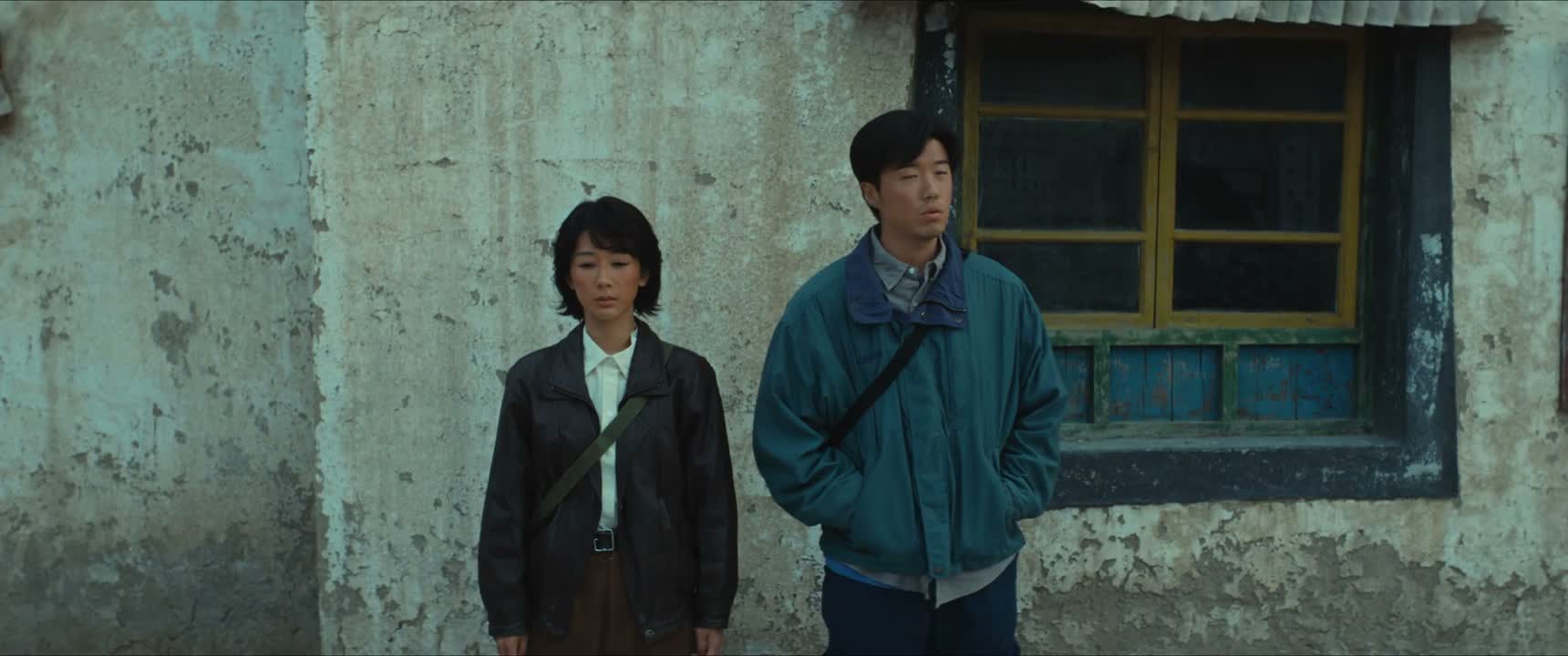
《My Destiny》 S1·E23 (13:51) HSK 4
wǒ kě bù guǎn le shuí a

我可不管了 谁啊

“(with your stuff.) Who's that?”

《My Destiny》 S1·E23
TIMECODE: 13:51 · 1080P MASTER AUDIO

THE DIALOGUE REEL

1+1+1 SPOKEN CONTINUITY
[-1] PREVIOUS TURN liǎng wèi lǎo bǎn nà kě jiù shuō hǎo le a yǐ hòu nǐ men de shì qíng

两位老板 那可就说好了啊 以后你们的事情

“(So,) (that's settled then.) (I'm done)”

wǒ kě bù guǎn le shuí a CURRENT FOCUS

我可不管了 谁啊

“(with your stuff.) Who's that?”

[+1] FOLLOW-UP TURN tīng zhe yǒu diǎn ěr shú duō qīn duō jìn le

“Sounds familiar. (Stay close, huh?)”

Subtitles synced to millisecond timecode Browse Show Clips →
Scene: Daily Life
Function: EXPRESSING ANNOYANCE
Tone: IMPATIENT
Emotion: FRUSTRATION
WHAT THEY REALLY MEAN (PRAGMATIC SUBTEXT)

Direct spoken expression in this communicative setting.

💡 Cultural Insight: Emphatic 'Ke' (可) for Boundary-Setting

Colloquial Chinese frequently uses '可' before negatives to forcefully declare personal boundaries or disclaim responsibility.

INTENT TAGS: #washing_hands #inquiry #impatience #boundary_setting
🧩

LEARNING CHUNKS & PARTICLES

1 CHUNKS · 2 PARTICLES
我可不管了 SPOKEN CHUNK

I'm not dealing with this anymore / I couldn't care less

Emphatic way to wash one's hands of a matter or declare frustration with dealing with issues.

Modal Particle「了」 (le) CHANGE OF STATE

Marks a change of state, indicating the speaker has reached their limit and decided to drop the issue.

Modal Particle「啊」 (a) CHANGE OF STATE

Softens the blunt question 'who' into an inquisitive, spontaneous reaction.
🏮

VOCABULARY & EXPRESSIONS

2 EXPR · 0 GRAMMAR
CROSS-CINEMA CORPUS BOARD · PARALLEL SCENES

Parallel Spoken Cinema Scenes (语义近邻切片)

EXPLORE BY SEMANTIC SIMILARITY
《My Destiny》 S1·E23 (13:51) · Authentic Cinema Dialogue Corpus