她吃什么亏啊 这碎嘴娘儿们
“What loss is she suffering? This gossipy woman”
THE DIALOGUE REEL
“With a few more mouths to feed, we can't let her suffer a loss. Bah!”
她 吃什么亏 啊 这 碎嘴娘儿们
“What loss is she suffering? This gossipy woman”
就惦记着太爷身上的钱 还有地契
“is just thinking about the master's money and title deeds.”
“She is not the victim here—she is just a greedy busybody stirring up trouble.”
Labeling someone as having a 'loose mouth' (碎嘴) reflects strong social disdain in traditional Chinese extended families for individuals who stir up internal conflict through idle chatter.
LEARNING CHUNKS & PARTICLES
to suffer a loss; to get the short end of the stick
A highly frequent everyday phrase used when someone loses out materially or emotionally.
gossipy; loose-lipped; nagging
A northern Mandarin colloquial term criticizing someone who talks incessantly or spreads petty gossip.
Enhances the rhetorical force and disdainful indignation of the question.
VOCABULARY & EXPRESSIONS
Parallel Spoken Cinema Scenes (语义近邻切片)

“Whoever else I might shortchange, I would never shortchange your Lian.”

“I didn't suffer any loss. Good.”
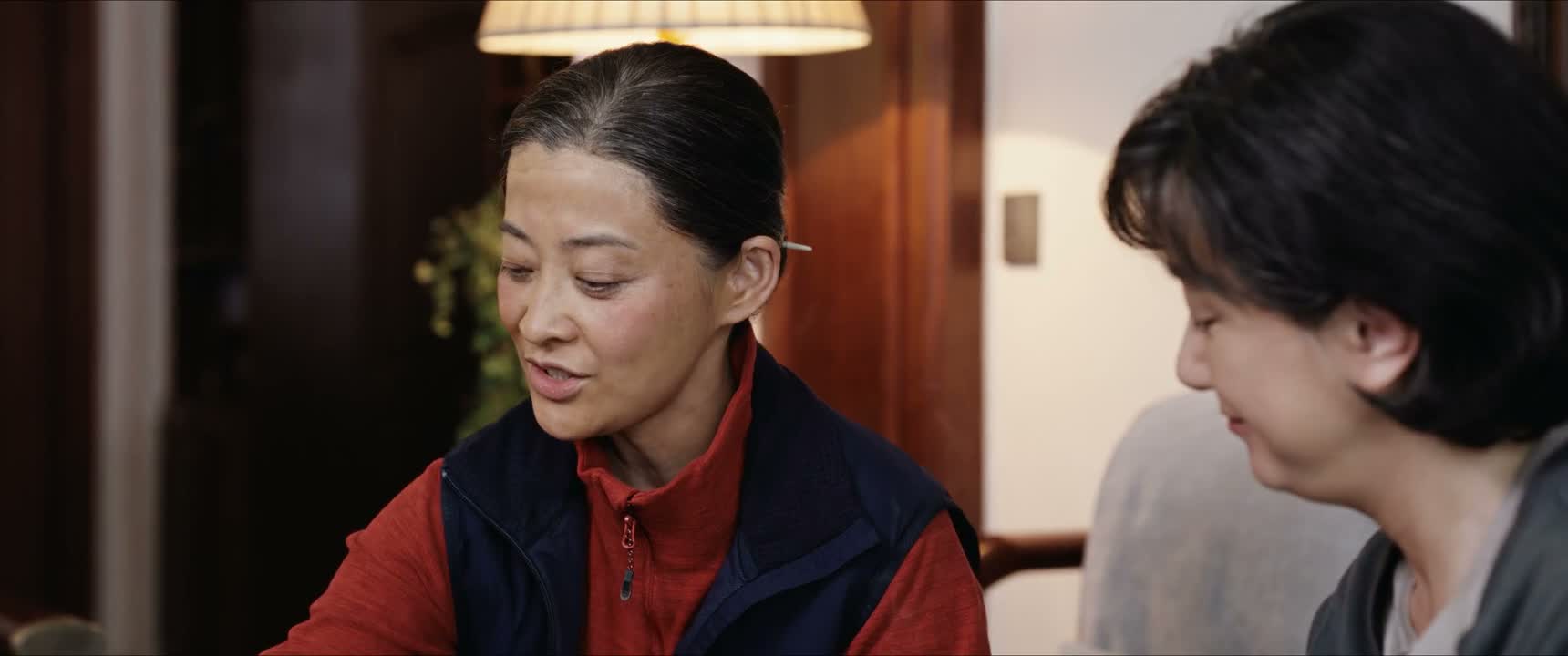
“She just has a sharp tongue,”

“Why do you eat so much? Stop bickering.”

“Why hasn't he finished eating yet? Eating isn't the point.”

“I'm ready to pay my dues.”