MC
MandarinClips Cinema Corpus
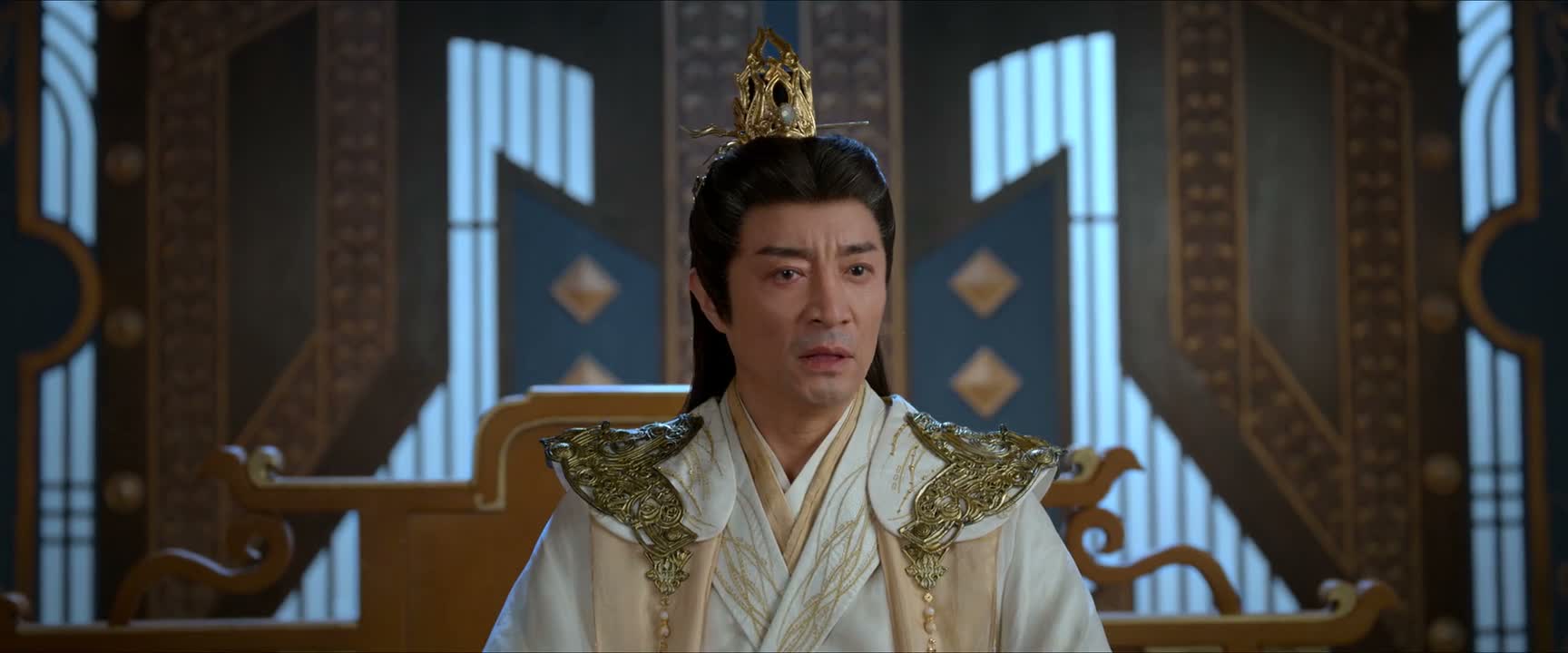
《The Truth》 S1·E22 (28:23) HSK 7
shuí ràng tā men zì jǐ méi jiàn shí méi dìng lì

谁让她们自己没见识没定力

“It's their own fault for being ignorant and weak-willed.”

《The Truth》 S1·E22
TIMECODE: 28:23 · 1080P MASTER AUDIO

THE DIALOGUE REEL

1+1+1 SPOKEN CONTINUITY
[-1] PREVIOUS TURN píng shén me zhǐ guài wǒ ya

凭什么只怪我呀

“Besides, why blame only me?”

shuí ràng tā men zì jǐ méi jiàn shí méi dìng lì CURRENT FOCUS

谁让 她们 自己 没见识 没定力

“It's their own fault for being ignorant and weak-willed.”

[+1] FOLLOW-UP TURN nǐ zhè zhǒng tài dù hé shēng huó fāng shì

你这种态度和生活方式

“You're endangering yourself and others with this attitude and lifestyle.”

Subtitles synced to millisecond timecode Browse Show Clips →
Scene: Crisis & Conflict
Function: DEFLECTING BLAME
Tone: CALLOUS
Emotion: DEFENSIVENESS
WHAT THEY REALLY MEAN (PRAGMATIC SUBTEXT)
“They are foolish and weak-willed; do not blame me for their poor choices.”
💡 Cultural Insight: Victim-blaming Rhetoric

Using rhetorical structures like '谁让...' serves to transfer moral blame onto the victim's perceived moral or mental deficiencies rather than one's own actions.

INTENT TAGS: #deflecting_blame #rationalizing #dismissing_guilt #victim_blaming
🧩

LEARNING CHUNKS & PARTICLES

3 CHUNKS · 0 PARTICLES
谁让…… SPOKEN CHUNK

who told [someone] to... / it's their own fault for...

A common rhetorical formula used to deflect responsibility and imply that someone brought trouble upon themselves.

没见识 SPOKEN CHUNK

lacking worldly experience or knowledge

Used disparagingly to describe someone who is naive, unsophisticated, or ignorant of the world.

没定力 SPOKEN CHUNK

lacking self-discipline or willpower

Refers to a person's inability to resist temptation or maintain composure under pressure.
🏮

VOCABULARY & EXPRESSIONS

4 EXPR · 0 GRAMMAR
CROSS-CINEMA CORPUS BOARD · PARALLEL SCENES

Parallel Spoken Cinema Scenes (语义近邻切片)

EXPLORE BY SEMANTIC SIMILARITY
《The Truth》 S1·E22 (28:23) · Authentic Cinema Dialogue Corpus