《Dog Man》 S1·E6 (27:07)
HSK 5
bù rán nǐ yào wǒ zěn me yàng ?
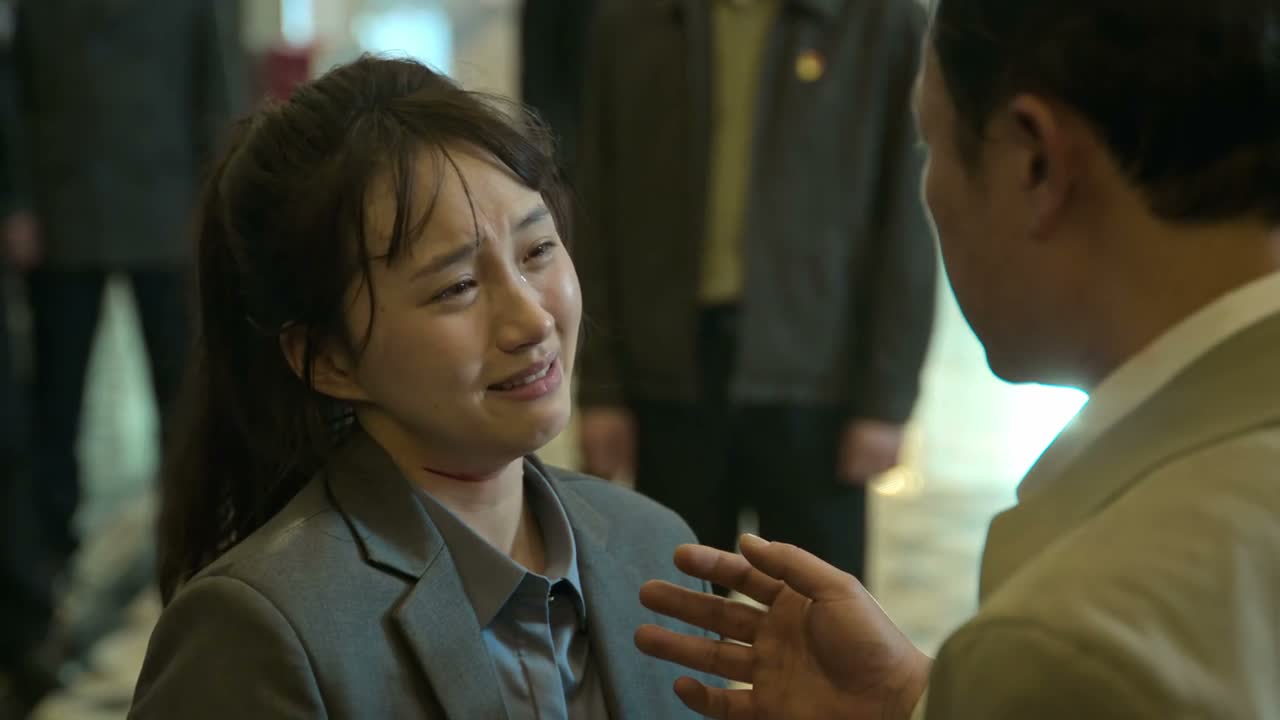
不然你要我怎么样?
“What do you want from me?”
《Dog Man》
S1·E6
TIMECODE: 27:07
·
1080P MASTER AUDIO
THE DIALOGUE REEL
[-1] PREVIOUS TURN
zhè jù huà shén me yì si a ?
这句话什么意思啊?
“What's that supposed to mean?”
bù rán nǐ yào wǒ zěn me yàng ?
CURRENT FOCUS
不然 你要我怎么 样?
“What do you want from me?”
[+1] FOLLOW-UP TURN
wǒ zài guò liǎng gè yuè jiù yào qù měi guó
我再过两个月就要去美国
“I'm leaving in two months.”
Subtitles synced to millisecond timecode
Browse Show Clips →
Scene:
Crisis & Conflict
Function:
DEFENSIVE COUNTERATTACK
Tone:
DEFENSIVE
Emotion:
FRUSTRATION
WHAT THEY REALLY MEAN (PRAGMATIC SUBTEXT)
“Stop pressuring me, I have no better options and I am sick of being blamed.”
💡 Cultural Insight: Rhetorical Deflection in Relationship Conflicts
Rather than providing a direct solution, Chinese speakers frequently use rhetorical questions beginning with '不然' to signal emotional burnout and impasse.
INTENT TAGS:
#deflection
#frustration
#challenging
#self_defense
🧩
2 CHUNKS · 0 PARTICLES
LEARNING CHUNKS & PARTICLES
不然
SPOKEN CHUNK
otherwise / if not
Commonly placed at the beginning of a sentence to challenge the listener to offer a better alternative.
要我怎么样
SPOKEN CHUNK
what do you expect me to do
A highly emotive rhetorical pattern used when feeling pushed into a corner by someone's demands.
🏮
2 EXPR · 2 GRAMMAR
VOCABULARY & EXPRESSIONS
COLLOQUIAL EXPRESSIONS:
GRAMMAR BLUEPRINTS:
CROSS-CINEMA CORPUS BOARD · PARALLEL SCENES
EXPLORE BY SEMANTIC SIMILARITY
Parallel Spoken Cinema Scenes (语义近邻切片)


《Dog Man》 S1·E6 (27:07) · Authentic Cinema Dialogue Corpus