《Dog Man》 S1·E8 (27:26)
HSK 3
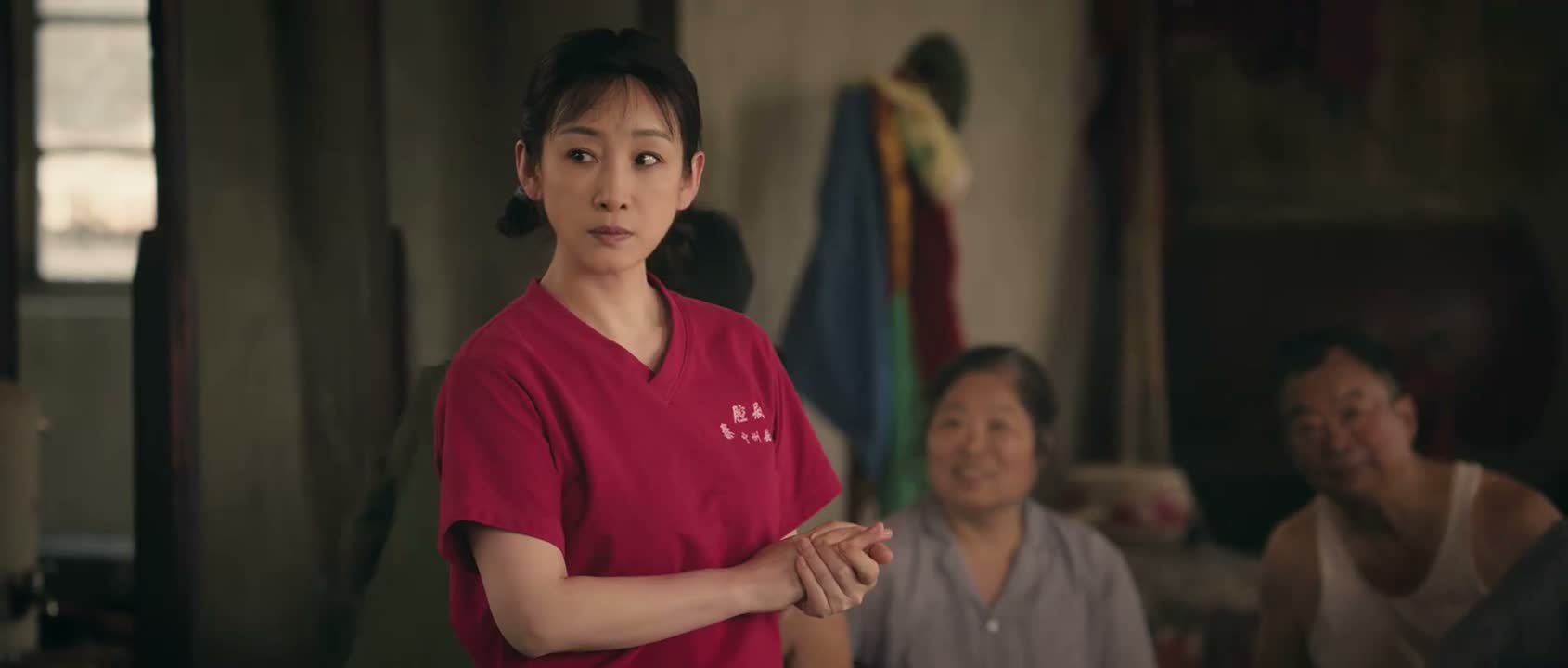
wèi shén me měi cì jiǎng dào zuì hòu dōu zhè yī jù ?
为什么每次讲到最后都这一句?
“Why does every conversation end with that?”
《Dog Man》
S1·E8
TIMECODE: 27:26
·
1080P MASTER AUDIO
THE DIALOGUE REEL
wèi shén me měi cì jiǎng dào zuì hòu dōu zhè yī jù ?
CURRENT FOCUS
为什么 每次 讲到最后 都 这一句?
“Why does every conversation end with that?”
[+1] FOLLOW-UP TURN
hǎo xiàng shì wǒ bī nǐ de wǒ hài nǐ de yī yàng
“Like somehow I forced you into this. Like I ruined your life.”
Subtitles synced to millisecond timecode
Browse Show Clips →
Scene:
Crisis & Conflict
Function:
CONFRONTING REPETITIVE BEHAVIOR
Tone:
ACCUSATORY
Emotion:
FRUSTRATION
WHAT THEY REALLY MEAN (PRAGMATIC SUBTEXT)
“Stop using giving up as emotional blackmail whenever we argue.”
💡 Cultural Insight: Emotional Stonewalling in Intimacy
Threatening to give up ('还是放弃好了') in Chinese domestic conflicts is often perceived as passive aggression aimed at making the other partner feel guilty.
INTENT TAGS:
#confrontation
#frustration
#calling_out
#counter_accusation
🧩
2 CHUNKS · 0 PARTICLES
LEARNING CHUNKS & PARTICLES
讲到最后
SPOKEN CHUNK
when all is said and done; in the end of a discussion
Used to describe how a prolonged discussion or debate inevitably concludes.
都这一句
SPOKEN CHUNK
always this same line
Used idiomatically to criticize someone for constantly repeating the same predictable complaint or excuse.
🏮
2 EXPR · 1 GRAMMAR
VOCABULARY & EXPRESSIONS
COLLOQUIAL EXPRESSIONS:
GRAMMAR BLUEPRINTS:
CROSS-CINEMA CORPUS BOARD · PARALLEL SCENES
EXPLORE BY SEMANTIC SIMILARITY
Parallel Spoken Cinema Scenes (语义近邻切片)

《Dog Man》 S1·E8 (27:26) · Authentic Cinema Dialogue Corpus