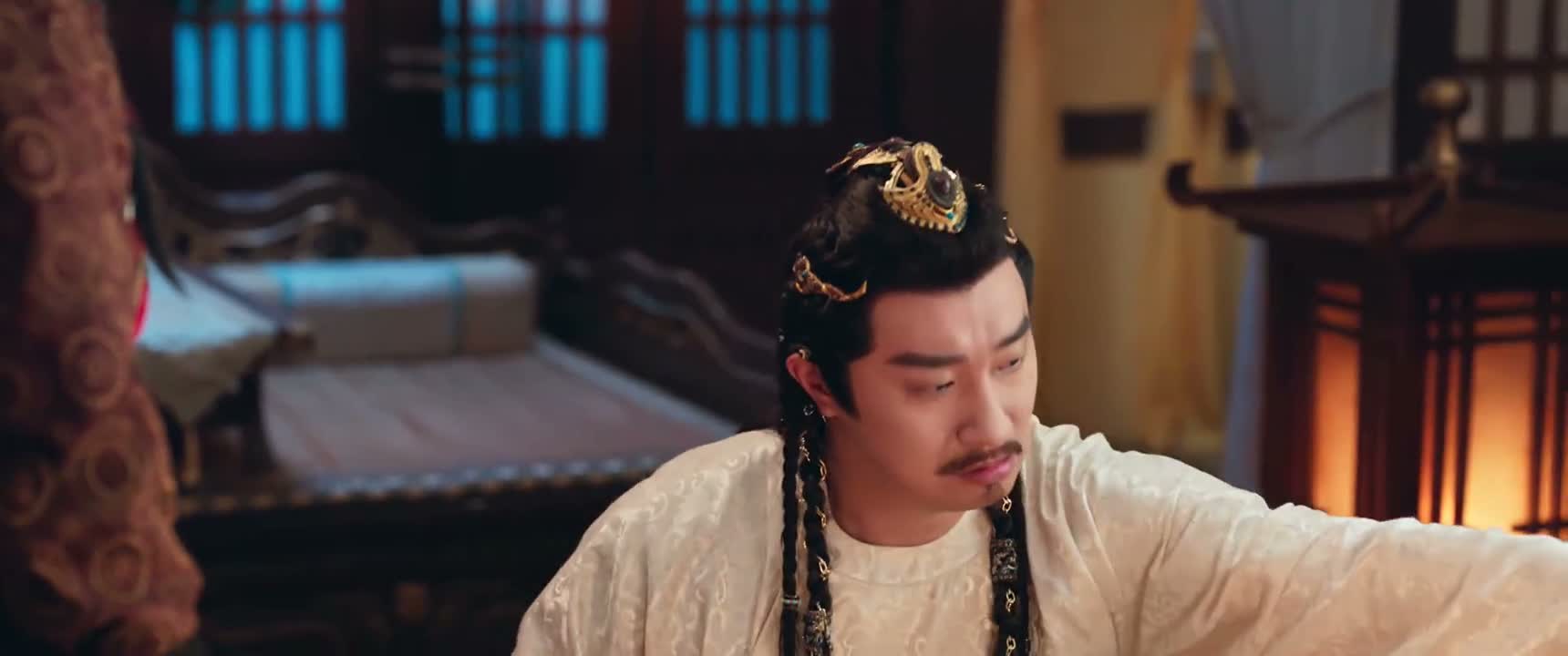
《Pursuit of Jade》 S1·E23 (30:24)
HSK 2
nǐ wèi shén me ràng tā zuò yǐ zi
你为什么让他坐椅子
“Why did you let him sit on the chair”
《Pursuit of Jade》
S1·E23
TIMECODE: 30:24
·
1080P MASTER AUDIO
THE DIALOGUE REEL
[-1] PREVIOUS TURN
lái
来
“Here.”
nǐ wèi shén me ràng tā zuò yǐ zi
CURRENT FOCUS
你 为什么 让他坐椅子
“Why did you let him sit on the chair”
Subtitles synced to millisecond timecode
Browse Show Clips →
Scene:
Daily Life
Function:
COMPLAINING
Tone:
PETULANT
Emotion:
JEALOUSY
WHAT THEY REALLY MEAN (PRAGMATIC SUBTEXT)
“Why does he get the comfortable chair while I get treated like an afterthought?”
💡 Cultural Insight: Seating Etiquette and Favoritism (座次礼仪)
Seating in Chinese social culture carries symbolic weight regarding status, hospitality, and preference, making disparate arrangements a frequent source of banter or grievance.
INTENT TAGS:
#complaint
#grievance
#jealousy
#bickering
🧩
2 CHUNKS · 0 PARTICLES
LEARNING CHUNKS & PARTICLES
为什么
SPOKEN CHUNK
why
The standard, universally applicable spoken question word for causation or reason.
让他
SPOKEN CHUNK
let him / allow him to
A common causative structure used when someone permits or assigns an action to another person.
🏮
1 EXPR · 0 GRAMMAR
VOCABULARY & EXPRESSIONS
COLLOQUIAL EXPRESSIONS:
CROSS-CINEMA CORPUS BOARD · PARALLEL SCENES
EXPLORE BY SEMANTIC SIMILARITY
Parallel Spoken Cinema Scenes (语义近邻切片)
《Pursuit of Jade》 S1·E23 (30:24) · Authentic Cinema Dialogue Corpus