MC
MandarinClips Cinema Corpus
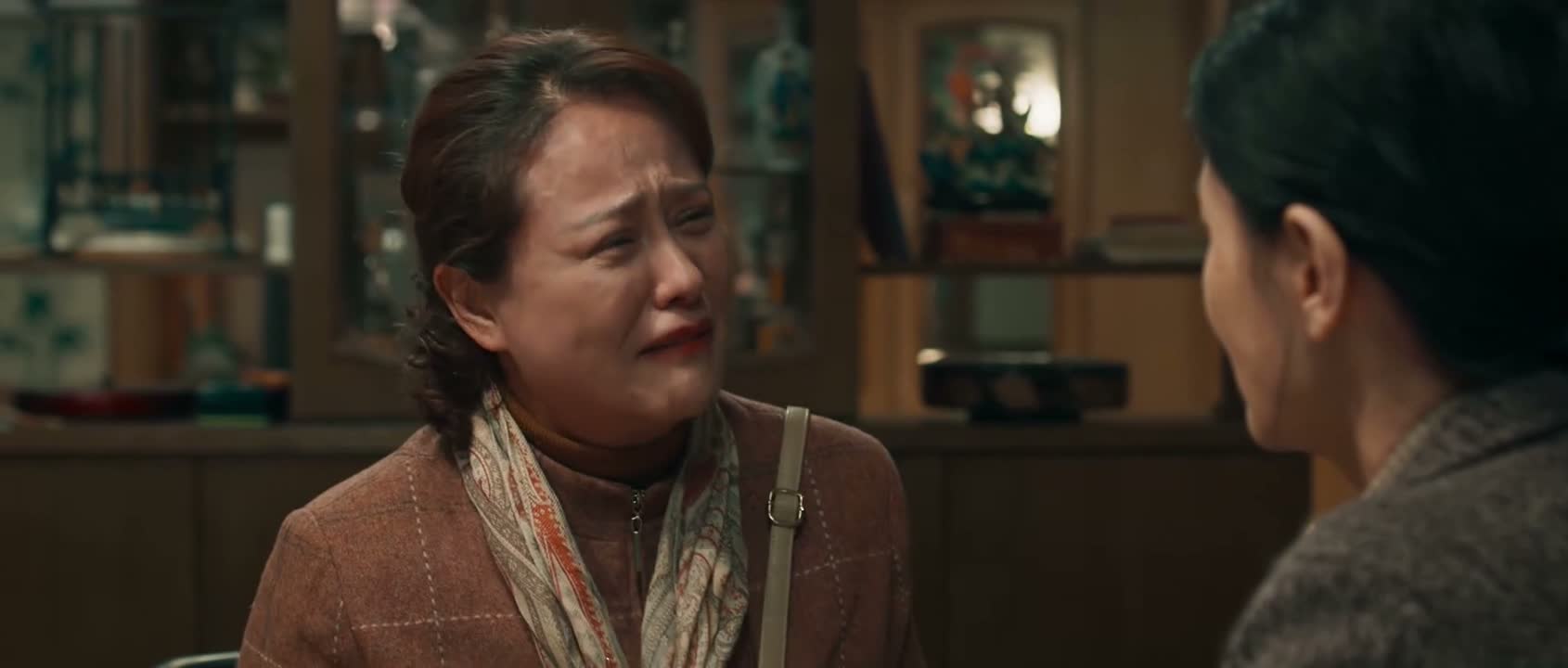
《The First Jasmine》 S1·E13 (20:40) HSK 5
jīn rì láng jūn qù nǎ le

今日郎君去哪了

“Where did the lord go today?”

《The First Jasmine》 S1·E13
TIMECODE: 20:40 · 1080P MASTER AUDIO

THE DIALOGUE REEL

1+1+1 SPOKEN CONTINUITY
[-1] PREVIOUS TURN nǐ dōu bàn rì mò chī fàn le

你都半日没吃饭了

“You haven't eaten for half a day.”

jīn rì láng jūn qù nǎ le CURRENT FOCUS

今日郎君 去哪了

“Where did the lord go today?”

[+1] FOLLOW-UP TURN huí huí fū rén láng jūn shǎng wǔ qù le dìng wáng fǔ

回 回夫人 郎君晌午去了定王府

“My lady, the lord went to Prince Ding's Mansion at noon.”

Subtitles synced to millisecond timecode Browse Show Clips →
Scene: Historical & Court
Function: INQUIRING WHEREABOUTS
Tone: INQUISITIVE
Emotion: ANXIETY
WHAT THEY REALLY MEAN (PRAGMATIC SUBTEXT)
“Never mind my meal, I need to know where my husband went right now.”
💡 Cultural Insight: Traditional Domestic Hierarchy

In historical households, the matriarch or wife holds authority over domestic staff, who must answer her direct inquiries regarding the household head with deference.

INTENT TAGS: #deflection #inquiry #concern #tracking
🧩

LEARNING CHUNKS & PARTICLES

2 CHUNKS · 1 PARTICLES
郎君 SPOKEN CHUNK

husband or young master in historical contexts

A traditional term of address used by wives or domestic servants when referring to the master or husband in historical dramas.

去哪了 SPOKEN CHUNK

where did (someone) go

A common spoken phrase used to inquire about someone's current or recent location.

Modal Particle「了」 (le) CHANGE OF STATE

Marks completed action and signals the speaker's focus on a recent event or change in state.
🏮

VOCABULARY & EXPRESSIONS

1 EXPR · 0 GRAMMAR
COLLOQUIAL EXPRESSIONS:
CROSS-CINEMA CORPUS BOARD · PARALLEL SCENES

Parallel Spoken Cinema Scenes (语义近邻切片)

EXPLORE BY SEMANTIC SIMILARITY
《The First Jasmine》 S1·E13 (20:40) · Authentic Cinema Dialogue Corpus