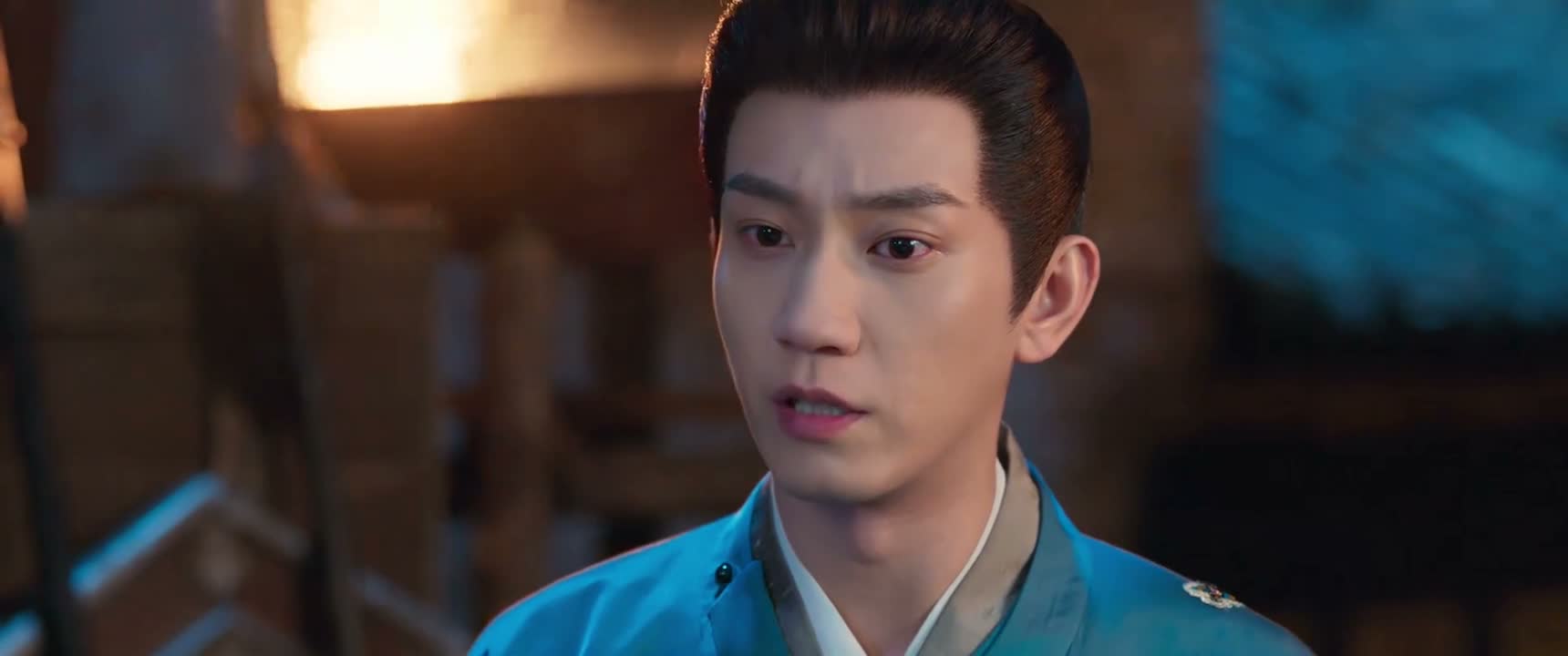
也许档案馆出事了 或者是什么人
“Maybe something happened to the Archives, or someone”
THE DIALOGUE REEL
是从盘花海礁回来之后
“after we came back from Panhua Reef.”
也许档案馆 出事了 或者 是什么人
“Maybe something happened to the Archives, or someone”
抹杀了档案馆的存在
“erased its existence.”
Direct spoken expression in this communicative setting.
Chinese mystery and suspense genres frequently use incomplete sentences joined by conjunctions to build narrative tension and invite the listener to complete the deduction.
LEARNING CHUNKS & PARTICLES
something bad happened / ran into trouble
A standard spoken phrase to indicate an accident, disaster, or mishap has occurred.
or perhaps / or alternatively
Used to introduce an alternative scenario or supplementary guess in conversational deductions.
Marks a change of state, indicating that an unexpected incident has already occurred.
VOCABULARY & EXPRESSIONS
Parallel Spoken Cinema Scenes (语义近邻切片)

“It will likely become an unsolved case.”

“Shame. It became a cold case.”
“I'm sure something has happened to him.”