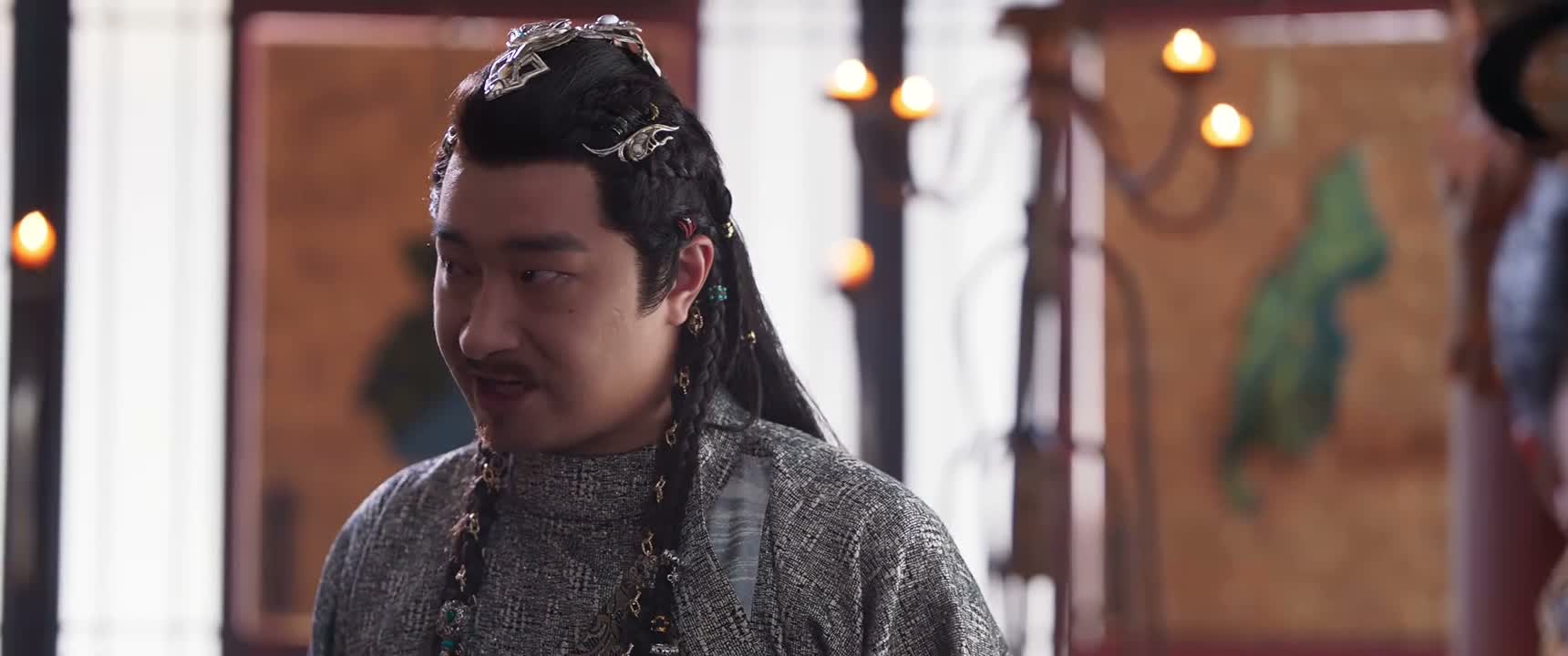
得了势便耀武扬威 欺凌弱小
“Once they have power, they bully the weak.”
THE DIALOGUE REEL
“these so-called dignitaries all flatter the high and trample the low with no exception.”
得了 势便 耀武扬威 欺凌弱小
“Once they have power, they bully the weak.”
“To make the Tian family invincible,”
“Power is everything in this world; if we do not become strong and ruthless, we will be the ones getting crushed.”
In traditional Chinese society, gaining official or aristocratic status often enabled rampant abuse of commoners, driving families to pursue ruthless survival strategies to secure their clan's standing.
LEARNING CHUNKS & PARTICLES
gained power or influence
Used idiomatically to describe someone who has recently acquired authority or advantage, often with negative connotations.
to flaunt one's strength or swagger arrogantly
A four-character idiom used to criticize arrogant behavior and bullying displays of power.
to bully the weak and vulnerable
A common idiom describing abusive behavior directed at defenseless people.
VOCABULARY & EXPRESSIONS
Parallel Spoken Cinema Scenes (语义近邻切片)
“You are abusing power to oppress us.”

“At what these people can get away with.”

“Taking credit for yourself and taking advantage of the situation.”