MC
MandarinClips Cinema Corpus
《The Heir》 S1·E31 (29:45) HSK 2
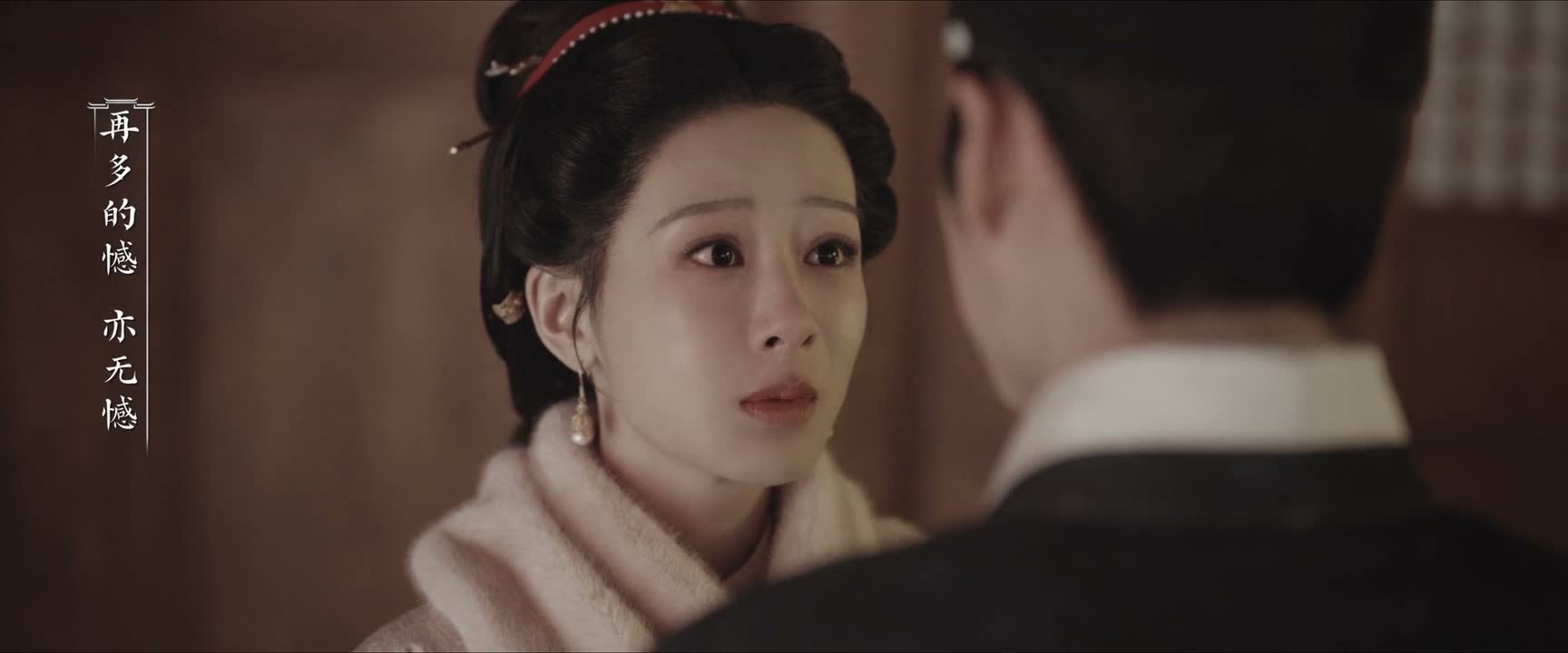
wǒ bù xiǎng zài gēn nǐ zǒu sàn le

我不想再跟你走散了

“I don't want to lose you again.”

《The Heir》 S1·E31
TIMECODE: 29:45 · 1080P MASTER AUDIO

THE DIALOGUE REEL

1+1+1 SPOKEN CONTINUITY
[-1] PREVIOUS TURN nǐ zhēn de hěn zhòng yào

“mean a lot to me.”

wǒ bù xiǎng zài gēn nǐ zǒu sàn le CURRENT FOCUS

我不想 再跟 你走 散了

“I don't want to lose you again.”

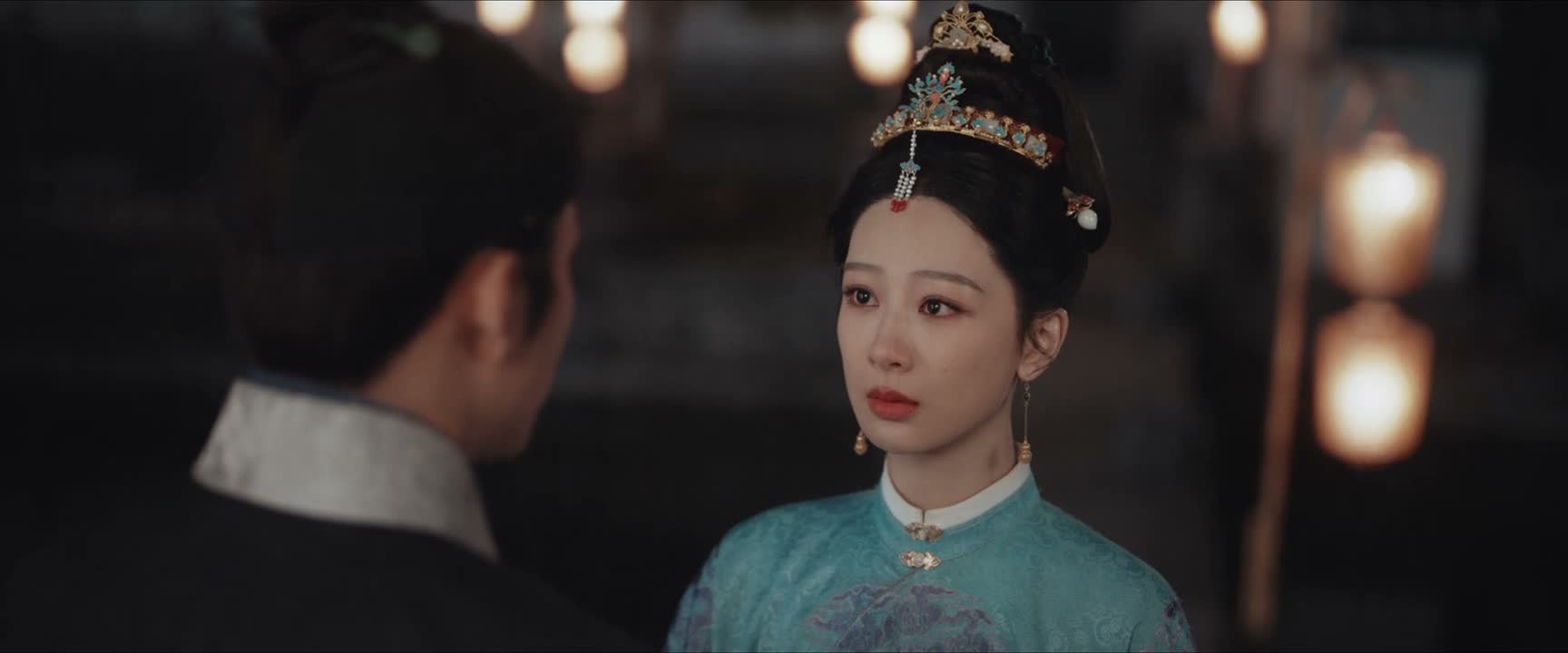
[+1] FOLLOW-UP TURN zhēn niáng

祯娘

“Zhen,”

Subtitles synced to millisecond timecode Browse Show Clips →
Scene: Social & Dating
Function: DECLARING DEVOTION
Tone: EARNEST AND TENDER
Emotion: AFFECTION
WHAT THEY REALLY MEAN (PRAGMATIC SUBTEXT)

Direct spoken expression in this communicative setting.

💡 Cultural Insight: Emotional Bonding in Chinese Romance

In Chinese romantic discourse, the fear of drifting apart often carries the historical weight of tumultuous separations, making reunion and loyalty paramount virtues.

INTENT TAGS: #commitment #devotion #reassurance #affection
🧩

LEARNING CHUNKS & PARTICLES

2 CHUNKS · 1 PARTICLES
走散 SPOKEN CHUNK

to get separated or lose each other (physically or emotionally)

Commonly used for losing someone in a crowd, but poetically used in romantic contexts for drifting apart.

不想再 SPOKEN CHUNK

do not want to ... anymore

A powerful expression of resolve to avoid repeating a painful past situation.

Modal Particle「了」 (le) CHANGE OF STATE

Signifies a change of state, reinforcing the speaker's determination not to repeat past separations.
🏮

VOCABULARY & EXPRESSIONS

3 EXPR · 0 GRAMMAR
CROSS-CINEMA CORPUS BOARD · PARALLEL SCENES

Parallel Spoken Cinema Scenes (语义近邻切片)

EXPLORE BY SEMANTIC SIMILARITY
《The Heir》 S1·E31 (29:45) · Authentic Cinema Dialogue Corpus