《Echoes of a Thousand Moons》 S1·E20 (20:16)
HSK 2
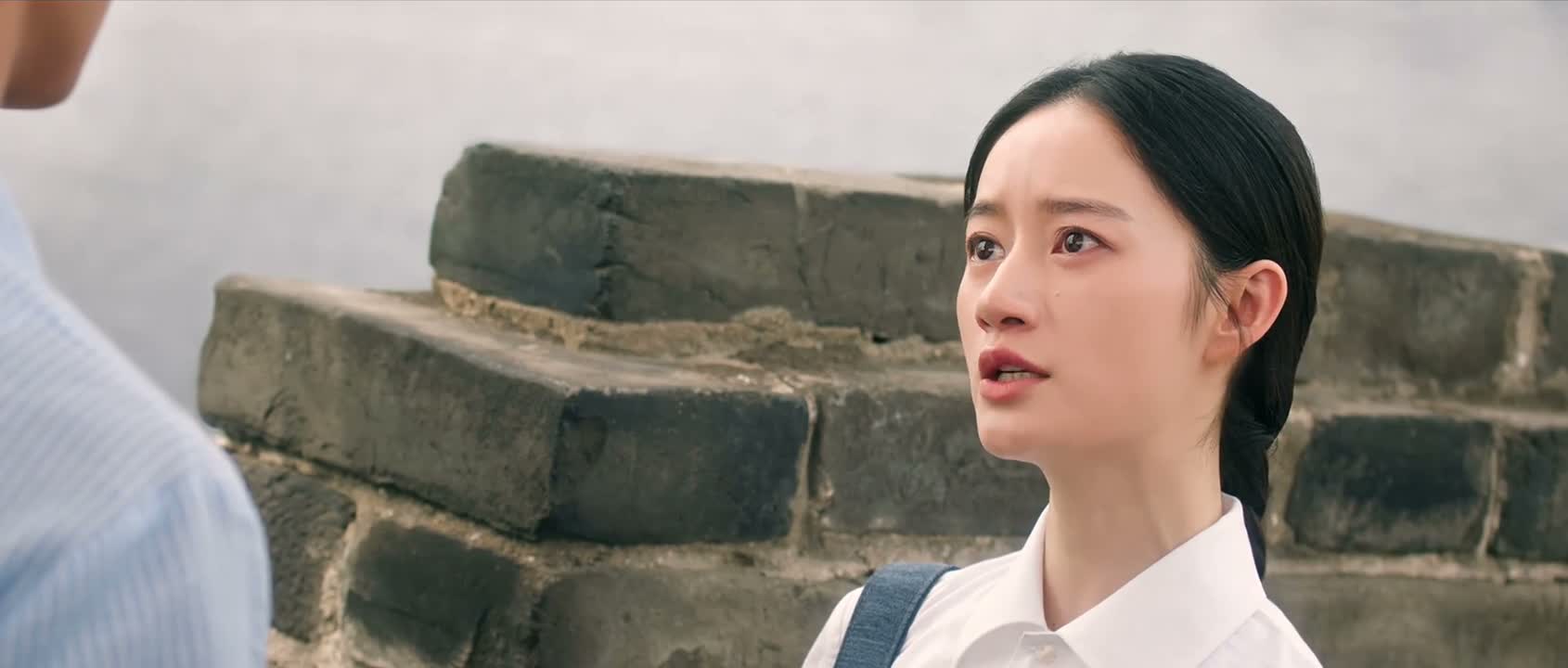
nǐ jiù rén néng yǒu shén me cuò a
你救人能有什么错啊
“How could you be wrong for saving someone?”
《Echoes of a Thousand Moons》
S1·E20
TIMECODE: 20:16
·
1080P MASTER AUDIO
THE DIALOGUE REEL
[-1] PREVIOUS TURN
wǒ cuò le ma
我错了吗
“Was I wrong?”
nǐ jiù rén néng yǒu shén me cuò a
CURRENT FOCUS
你 救人 能有什么错 啊
“How could you be wrong for saving someone?”
[+1] FOLLOW-UP TURN
yào guài zhǐ néng guài zán tài yé tài jiàng
“If anyone is to blame, it's Master for being too stubborn.”
Subtitles synced to millisecond timecode
Browse Show Clips →
Scene:
Family & Home
Function:
COMFORTING
Tone:
COMFORTING
Emotion:
SYMPATHY
WHAT THEY REALLY MEAN (PRAGMATIC SUBTEXT)
“Stop beating yourself up; you did the right thing regardless of the trouble it caused.”
💡 Cultural Insight: Saving Face and Absolving Guilt
In close Chinese relations, speakers use rhetorical questions to defend a loved one's benevolence against the stubbornness or wrath of family elders.
INTENT TAGS:
#reassurance
#consoling
#moral_support
#absolving_blame
🧩
1 CHUNKS · 1 PARTICLES
LEARNING CHUNKS & PARTICLES
能有什么错
SPOKEN CHUNK
how could there be any fault; cannot possibly be wrong
A rhetorical framing used to firmly reassure someone that their actions were morally justified.
Modal Particle「啊」 (a)
CHANGE OF STATE
Softens the rhetorical question to project warm empathy, comforting the listener.
🏮
2 EXPR · 0 GRAMMAR
VOCABULARY & EXPRESSIONS
COLLOQUIAL EXPRESSIONS:
CROSS-CINEMA CORPUS BOARD · PARALLEL SCENES
EXPLORE BY SEMANTIC SIMILARITY
Parallel Spoken Cinema Scenes (语义近邻切片)
《Echoes of a Thousand Moons》 S1·E20 (20:16) · Authentic Cinema Dialogue Corpus