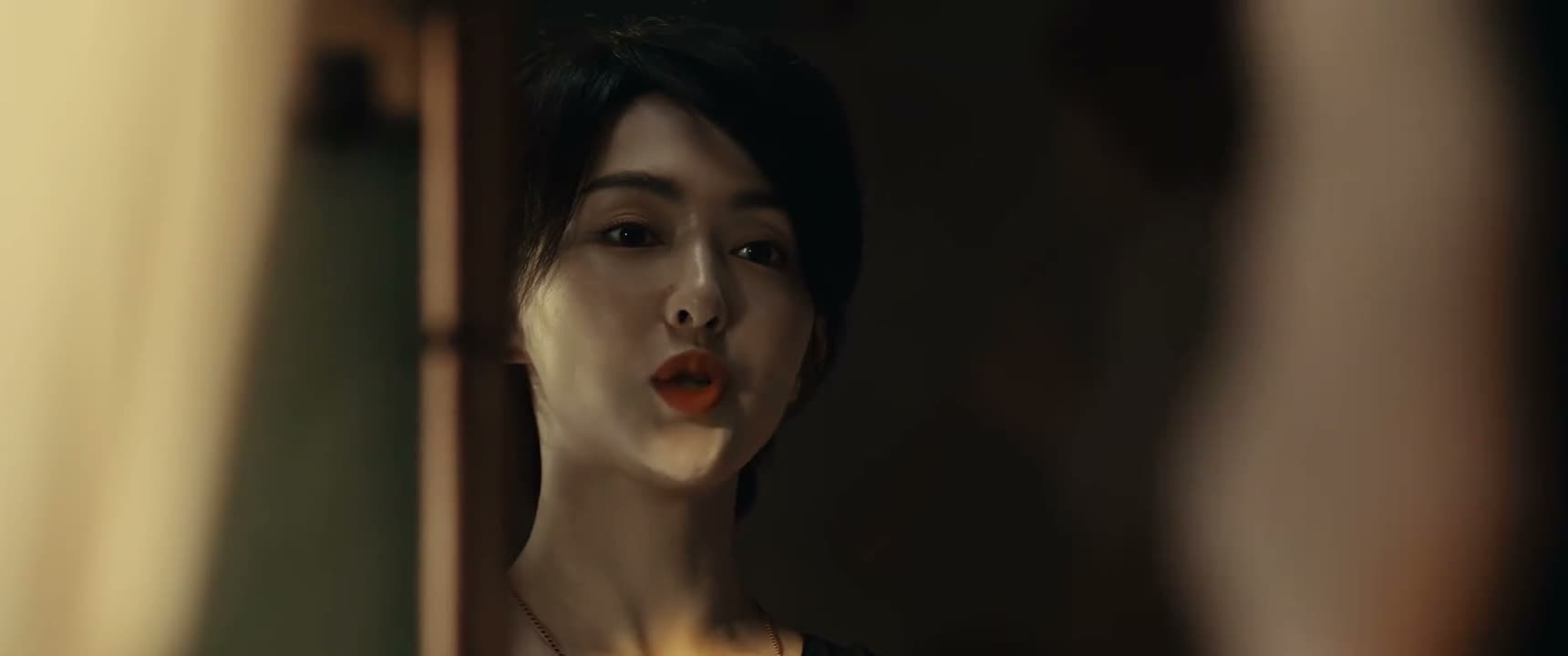
来过就来过 你为什么骗我呀
“I'm fine with that. But why did you lie to me?”
THE DIALOGUE REEL
雏菊是我买的 拖鞋是琪琪穿的 金子真的来过
“I bought the daisies. Qi wore the slippers. So Jin was here.”
来过就来过 你 为什么骗我 呀
“I'm fine with that. But why did you lie to me?”
“I didn't. We're not the way you think.”
“Having her over hurts, but you lying about it makes me feel you can't be trusted.”
In Chinese emotional conflicts, dishonesty is often condemned more harshly than the mistake itself, as concealment signifies bad faith.
LEARNING CHUNKS & PARTICLES
if (she) came, so be it
A pattern of 'V + 过就 + V + 过' indicating acceptance of an established fact before pivoting to the real issue.
why did you lie to me
A direct, emotionally charged accusation used when uncovering deceit in personal relationships.
Softens the raw harshness of the direct accusation while intensifying the sense of emotional hurt and pleading.
VOCABULARY & EXPRESSIONS
Parallel Spoken Cinema Scenes (语义近邻切片)

“What brings you here today? You're pretty lucky.”

“Juan, come with me. What's up?”

“What are you doing here? I was passing by on business. What're you doing here?”
“I've worn it before. So what?”