MC
MandarinClips Cinema Corpus
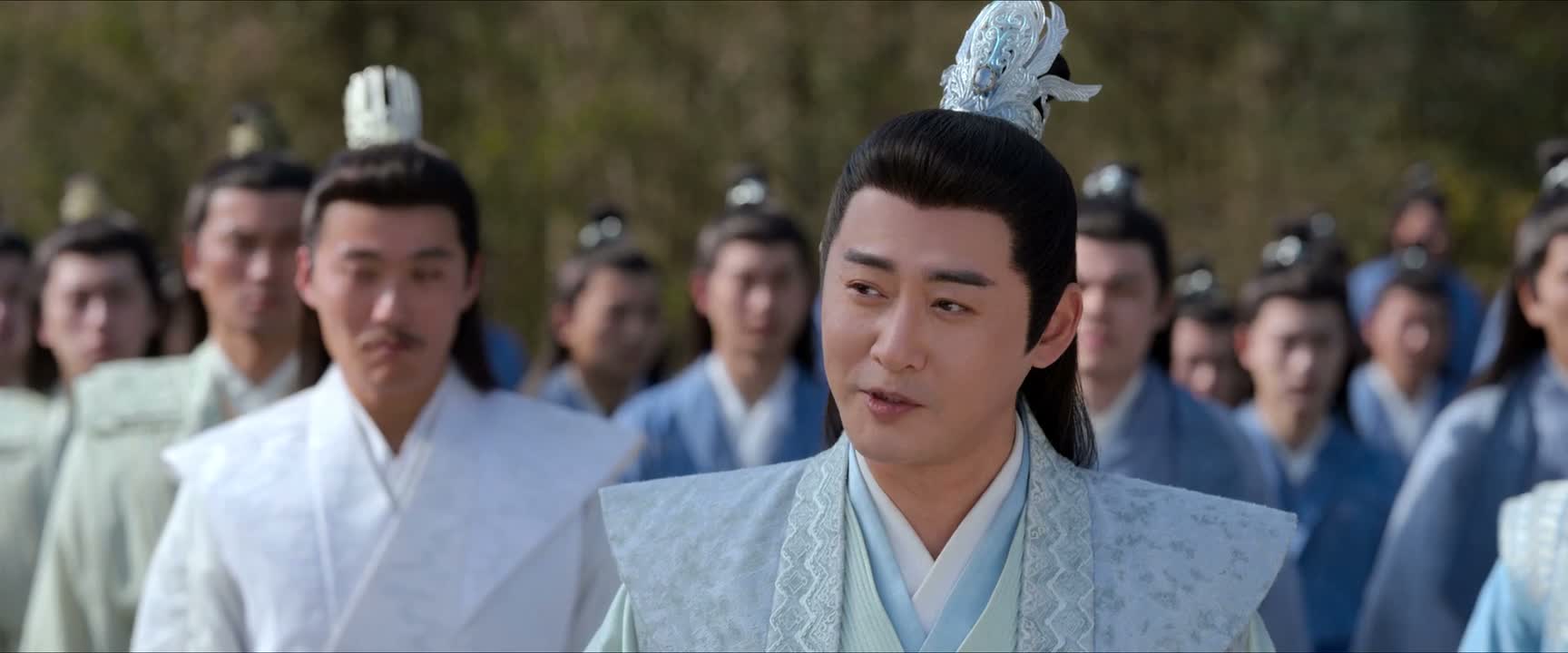
《Love Has Fireworks》 S1·E33 (09:26) HSK 5
nǐ jīn tiān zěn me guò lái le zhēn gòu xìng yùn de

你今天怎么过来了 真够幸运的

“What brings you here today? You're pretty lucky.”

《Love Has Fireworks》 S1·E33
TIMECODE: 09:26 · 1080P MASTER AUDIO

THE DIALOGUE REEL

1+1+1 SPOKEN CONTINUITY
[-1] PREVIOUS TURN yǐ jīng hěn jiǔ hěn jiǔ le

已经很久很久了

“(It's been a very, very long time.)”

nǐ jīn tiān zěn me guò lái le zhēn gòu xìng yùn de CURRENT FOCUS

你 今天 怎么 过来了 真够幸运的

“What brings you here today? You're pretty lucky.”

[+1] FOLLOW-UP TURN wǒ píng shí dōu zài wài biān pǎo jīn tiān hǎo bù róng yì huí tàng gōng sī

“I'm usually out and about. I finally made it back to the office today.”

Subtitles synced to millisecond timecode Browse Show Clips →
Scene: Workplace
Function: WELCOMING ENCOUNTER
Tone: CASUAL
Emotion: SURPRISE
WHAT THEY REALLY MEAN (PRAGMATIC SUBTEXT)

Direct spoken expression in this communicative setting.

💡 Cultural Insight: Casual Workplace Rapport

Chinese workplace interactions often blend personal camaraderie and professional exchange through friendly, informal greetings when serendipitous meetings occur.

INTENT TAGS: #greeting #pleasant_surprise #casual_chat #rapport_building
🧩

LEARNING CHUNKS & PARTICLES

2 CHUNKS · 2 PARTICLES
真够幸运的 SPOKEN CHUNK

really quite lucky

A colloquial structure '真够...的' expressing that a situation genuinely reaches a notable degree.

怎么过来了 SPOKEN CHUNK

how come you're here; what brings you over

A natural way to greet someone whose arrival was unexpected without sounding accusatory.

Modal Particle「了」 (le) CHANGE OF STATE

Indicates the completed change of status or arrival in '过来了'.

Modal Particle「的」 (de) CHANGE OF STATE

Used at the end of '真够幸运的' to reinforce an assertive, emphatic evaluation.

🏮

VOCABULARY & EXPRESSIONS

4 EXPR · 0 GRAMMAR
CROSS-CINEMA CORPUS BOARD · PARALLEL SCENES

Parallel Spoken Cinema Scenes (语义近邻切片)

EXPLORE BY SEMANTIC SIMILARITY
《Love Has Fireworks》 S1·E33 (09:26) · Authentic Cinema Dialogue Corpus