我不坐了 还有事呢 那我送你
“No. I'm occupied. I'll walk you to the door.”
THE DIALOGUE REEL
“The rain has stopped. I'll go back to the studio. Leave later, OK?”
我不坐了 还有事呢 那 我送你
“No. I'm occupied. I'll walk you to the door.”
“No need. Just stay here. Go back to your business. I'm leaving.”
Direct spoken expression in this communicative setting.
In Chinese social etiquette, walking a guest to the door or outside ('song') is an essential sign of respect and warmth.
LEARNING CHUNKS & PARTICLES
I won't stay seated / I should get going
A common formulaic way to politely signal departure or decline an offer to sit down.
Let me walk you out
Standard social etiquette used by hosts when a guest prepares to leave.
Marks a change of state, indicating the decision to wrap up the visit.
Softens the explanation by gently emphasizing that there are ongoing tasks.
VOCABULARY & EXPRESSIONS
Parallel Spoken Cinema Scenes (语义近邻切片)
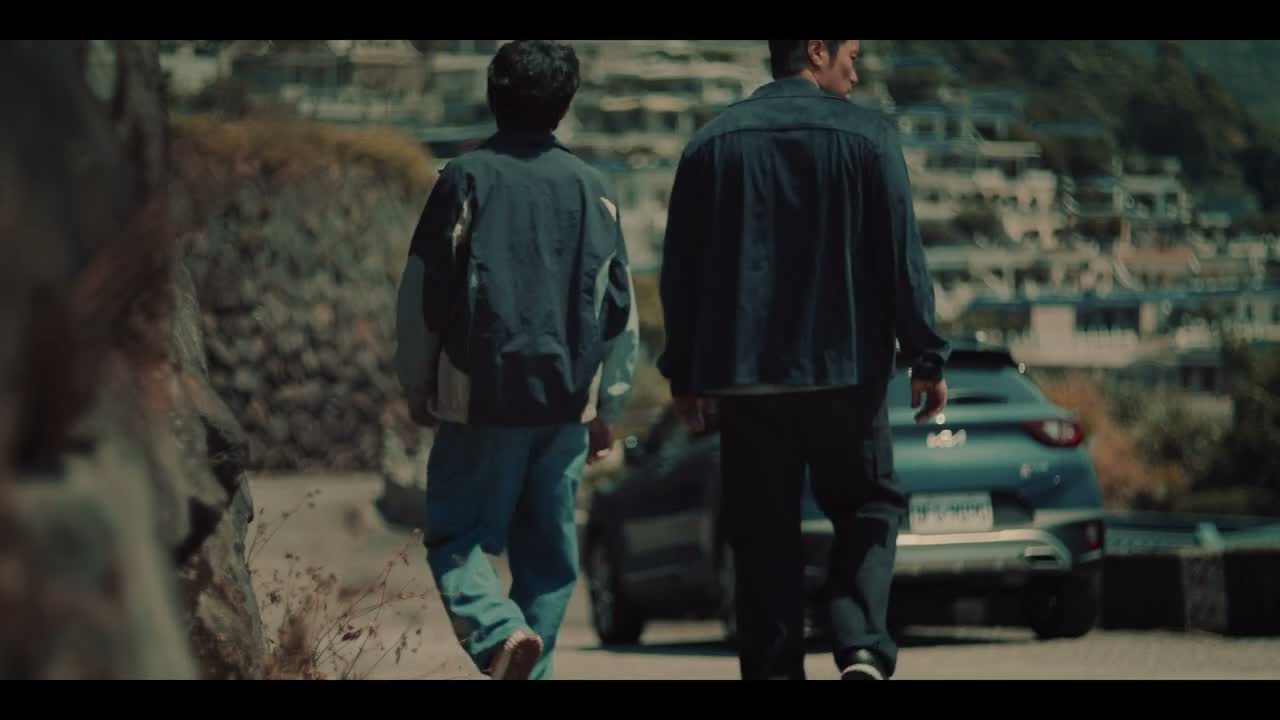
“- want a ride down the mountain? - No need. He's busy.”

“I won't stay either. I'll go make sure he doesn't talk nonsense.”