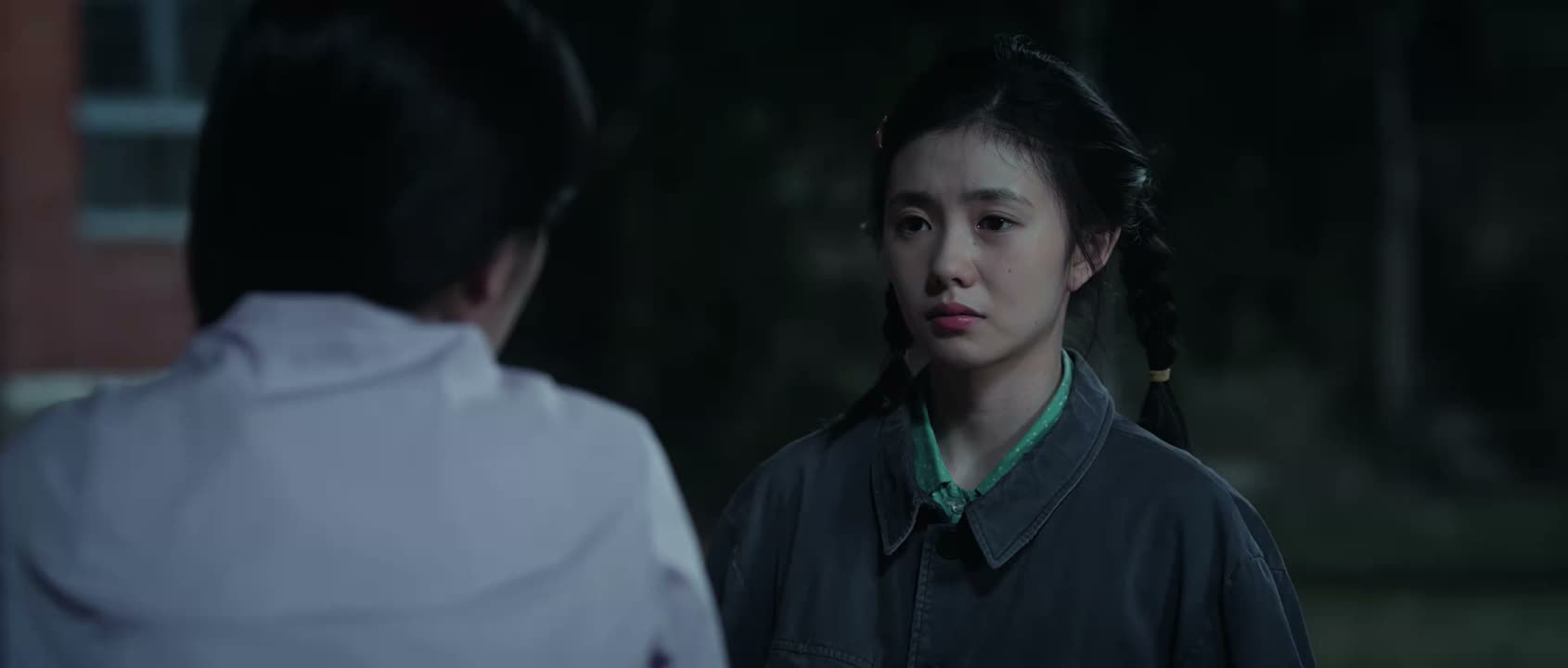
我没想到你没认出我 我变了很多吗
“Unexpectedly, you couldn't recognize me. Have I changed a lot?”
THE DIALOGUE REEL
我让她瞒着你的
“I asked her not to tell you.”
我没想到 你 没认 出我 我 变了很多 吗
“Unexpectedly, you couldn't recognize me. Have I changed a lot?”
没有没有
“No.”
“Did I really age or change that drastically, or were you just not paying attention?”
When an acquaintance asks if they have changed, Chinese politeness norms almost universally mandate immediate reassurance, such as 'No, not at all, you look the same'.
LEARNING CHUNKS & PARTICLES
to recognize
A resultative verb compound commonly used when identifying someone by appearance or voice.
changed a lot
Frequently used during reunions to comment on shifts in appearance, personality, or status.
Marks a direct yes-no question that prompts the listener to respond.
VOCABULARY & EXPRESSIONS
Parallel Spoken Cinema Scenes (语义近邻切片)

“I thought you had really changed.”

“no one recognized me.”

“So you knew it was me,”

“Actually, you've become more beautiful, so it's no wonder we didn't recognize you.”
“I feel like I barely know you.”

“Look at me! How come you don't recognize me?”