MC
MandarinClips Cinema Corpus
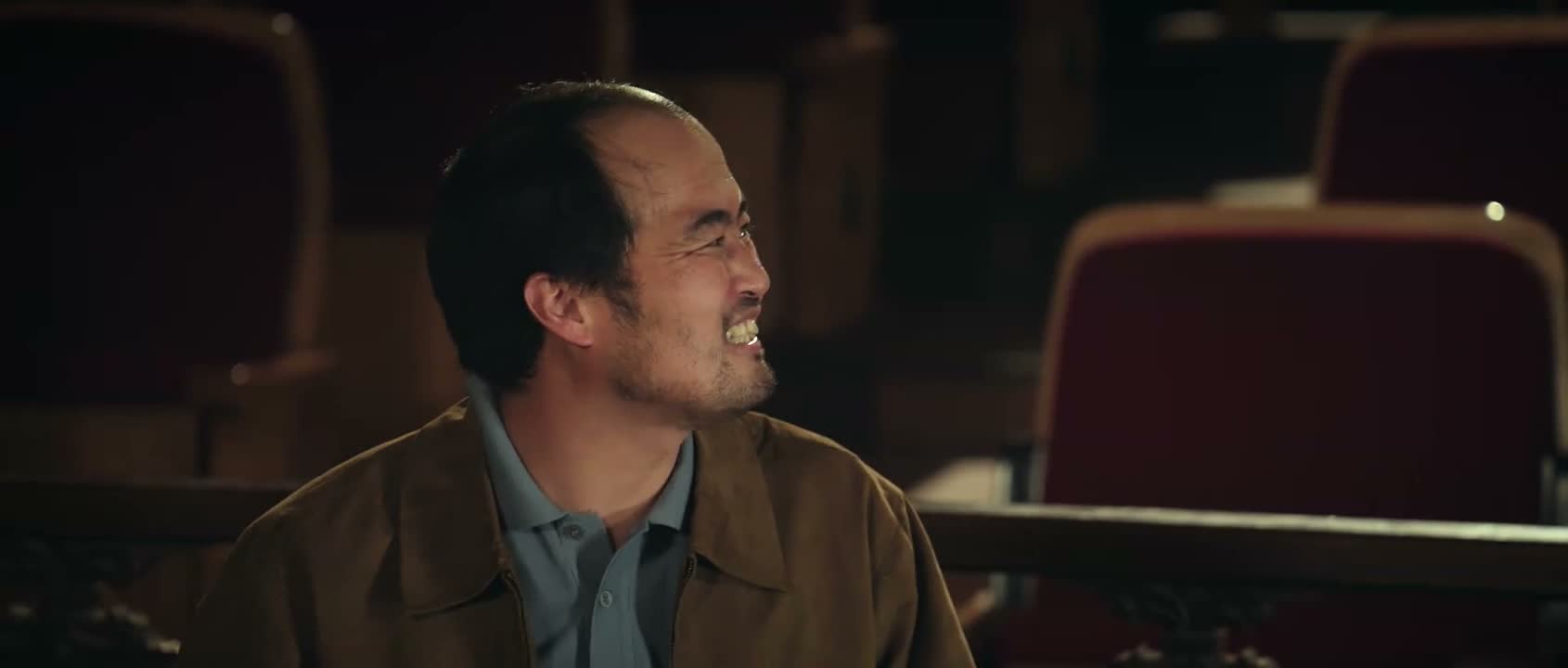
《The Lead》 S1·E33 (40:22) HSK 7
dǎ yī tiān má jiāng bù hé pái ma dǎ zhè gàn shá ne ma

打一天麻将 不和牌嘛 打这干啥呢嘛

“I haven't won all day. What's the point?”

《The Lead》 S1·E33
TIMECODE: 40:22 · 1080P MASTER AUDIO

THE DIALOGUE REEL

1+1+1 SPOKEN CONTINUITY
[-1] PREVIOUS TURN bù wán le bù wán le

不玩了 不玩了

“I quit.”

dǎ yī tiān má jiāng bù hé pái ma dǎ zhè gàn shá ne ma CURRENT FOCUS

打一天麻将 不和牌 嘛 打这 干啥呢嘛

“I haven't won all day. What's the point?”

[+1] FOLLOW-UP TURN diǎn jiù bèi sǐ le jiù jiù jiù

“My luck is just terrible.”

Subtitles synced to millisecond timecode Browse Show Clips →
Scene: Daily Life
Function: VENTING FRUSTRATION
Tone: IMPATIENT
Emotion: FRUSTRATION
WHAT THEY REALLY MEAN (PRAGMATIC SUBTEXT)

Direct spoken expression in this communicative setting.

💡 Cultural Insight: Mahjong Culture and Luck

Mahjong is an extremely popular social pastime in China; continuous losing streaks often prompt dramatic complaints about poor luck and questions about why one bothered playing.

INTENT TAGS: #venting #complaining #resignation #quitting
🧩

LEARNING CHUNKS & PARTICLES

2 CHUNKS · 2 PARTICLES
不和牌 SPOKEN CHUNK

not winning a single hand in mahjong

Specific mahjong gaming terminology where '和' is pronounced 'hú', meaning to complete a winning hand.

打这干啥呢 SPOKEN CHUNK

what is the point of playing this

A highly colloquial, dialect-tinted rhetorical question used to express futility and irritation.

Modal Particle「嘛」 (ma) CHANGE OF STATE

Used repeatedly to mark obvious frustration and exasperation at an absurdly unlucky situation.

Modal Particle「呢」 (ne) CHANGE OF STATE

Softens the rhetorical question while adding ongoing annoyance.
🏮

VOCABULARY & EXPRESSIONS

2 EXPR · 0 GRAMMAR
CROSS-CINEMA CORPUS BOARD · PARALLEL SCENES

Parallel Spoken Cinema Scenes (语义近邻切片)

EXPLORE BY SEMANTIC SIMILARITY
《The Lead》 S1·E33 (40:22) · Authentic Cinema Dialogue Corpus