他说他晕车坐高铁回去了
“He said he gets carsick, so he went to take the high-speed rail.”
THE DIALOGUE REEL
文成业呢
“Where's Wen Chengye?”
他说他晕车坐高铁回去了
“He said he gets carsick, so he went to take the high-speed rail.”
原来他每次在车上给我们甩脸子 是因为晕车呀
“So the reason he always gave us attitude on the bus was because he gets carsick.”
Direct spoken expression in this communicative setting.
China's dense high-speed rail network makes it the default, comfortable alternative to road travel for long-distance or car-averse commuters.
LEARNING CHUNKS & PARTICLES
carsick / motion sickness from vehicles
Can function as a verb or adjective; highly common when discussing road trips or transit preferences.
to take the high-speed rail
Indispensable modern travel vocabulary across contemporary China.
Marks the completion of the departure action.
VOCABULARY & EXPRESSIONS
Parallel Spoken Cinema Scenes (语义近邻切片)
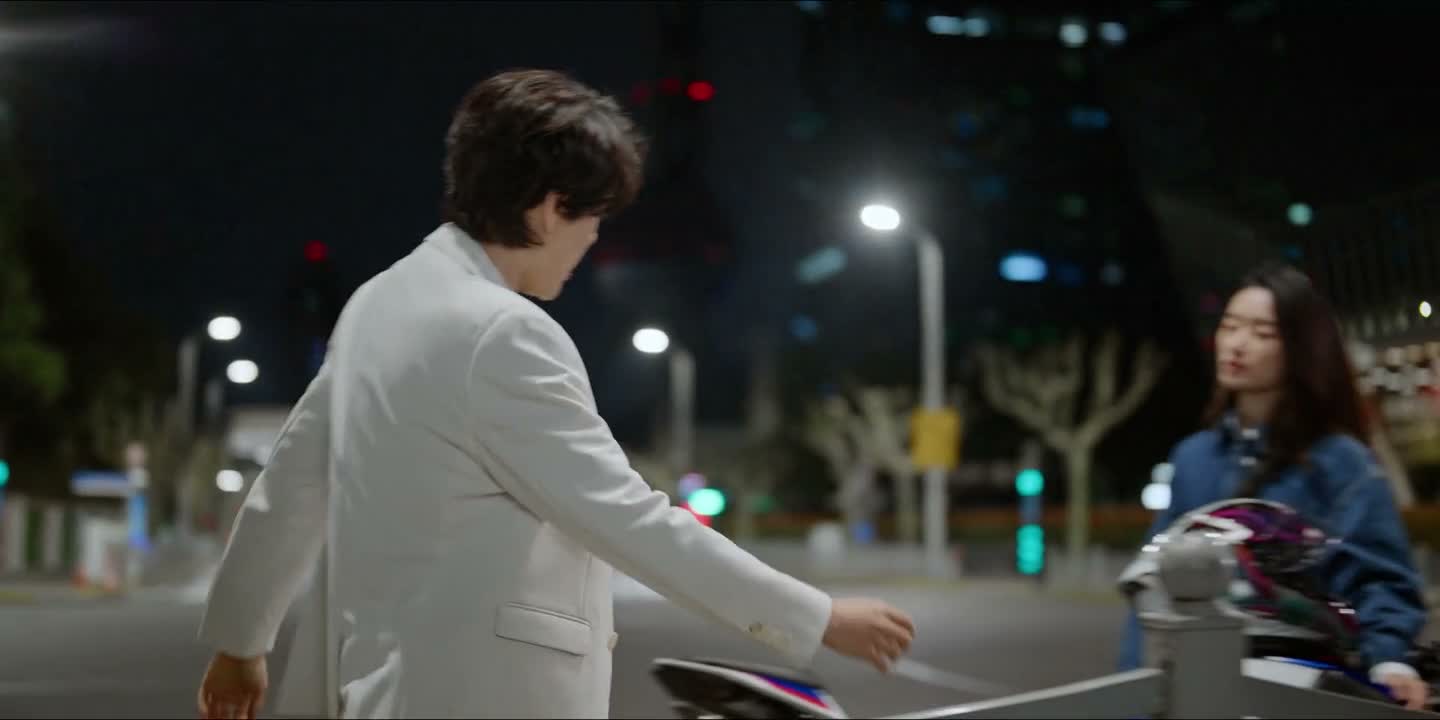
“Why didn't you tell me you get motion sickness earlier?”

“Even those who never get carsick can't handle this ride.”

“Just admit you're afraid of getting carsick. Why make excuses about wanting to rest?”

“Then I can't go. I get carsick. Really bad.”

“I took medicine. The last pill. Figured I would”

“Well, actually, I get motion sickness in small cars,”