平时不晕车的人 坐到这儿都不行了
“Even those who never get carsick can't handle this ride.”
THE DIALOGUE REEL
六十六道盘 也叫攀天梯呢
“Sixty-Six Bends. It's also known as Sky Ladder.”
平时不 晕车 的人 坐到这儿 都不行了
“Even those who never get carsick can't handle this ride.”
“Once this big bus starts up, we can't just pull over anywhere.”
Direct spoken expression in this communicative setting.
Drivers and locals often narrate harsh mountain terrains through passengers' extreme physical reactions to emphasize rugged local geography.
LEARNING CHUNKS & PARTICLES
usually not prone to carsickness
Useful formula combining a habitual time word with a physical condition verb.
can no longer handle it / cannot hold up
A colloquial idiom indicating that someone has reached their physical or emotional limit.
Signifies that passengers reach a breaking point and enter an incapacitated state.
VOCABULARY & EXPRESSIONS
Parallel Spoken Cinema Scenes (语义近邻切片)
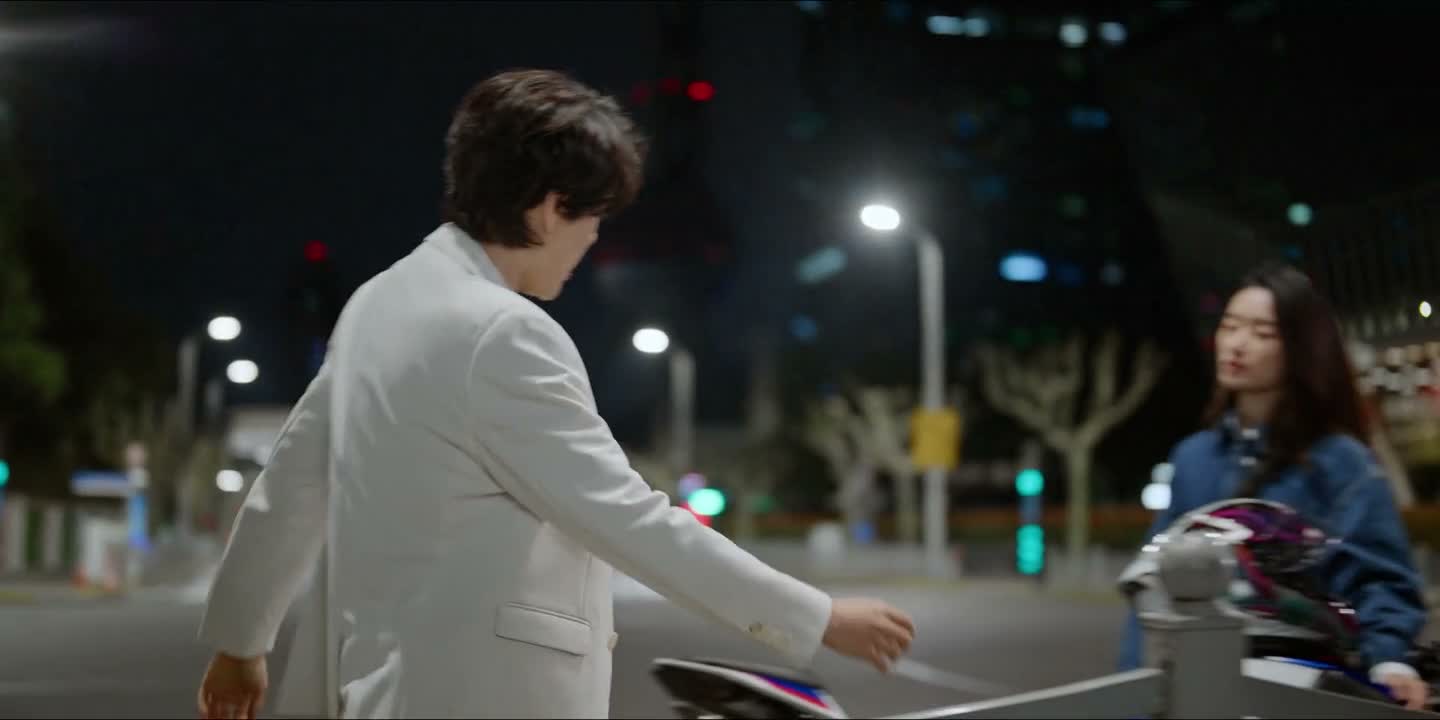
“Why didn't you tell me you get motion sickness earlier?”

“Then I can't go. I get carsick. Really bad.”

“Just admit you're afraid of getting carsick. Why make excuses about wanting to rest?”

“Well, actually, I get motion sickness in small cars,”

“He said he gets carsick, so he went to take the high-speed rail.”

“I took medicine. The last pill. Figured I would”