那我可去不了了 我晕车 特别严重
“Then I can't go. I get carsick. Really bad.”
THE DIALOGUE REEL
那市场十几公里呢 不开车 用啥拉菜
“It's ten kilometers away. No car, no way to haul the food.”
那我可 去不了了 我 晕车 特别严重
“Then I can't go. I get carsick. Really bad.”
Direct spoken expression in this communicative setting.
Citing undeniable physical ailments (like severe motion sickness) is a standard, face-preserving way in Chinese culture to decline an invitation or chore without offending the requester.
LEARNING CHUNKS & PARTICLES
cannot go; unable to attend
A classic potential complement structure used for direct, practical refusals based on inability.
carsick; motion sickness
Essential everyday vocabulary when discussing travel and personal health discomfort.
Marks a change of situation and signals finality in reaching a decision not to go.
VOCABULARY & EXPRESSIONS
Parallel Spoken Cinema Scenes (语义近邻切片)
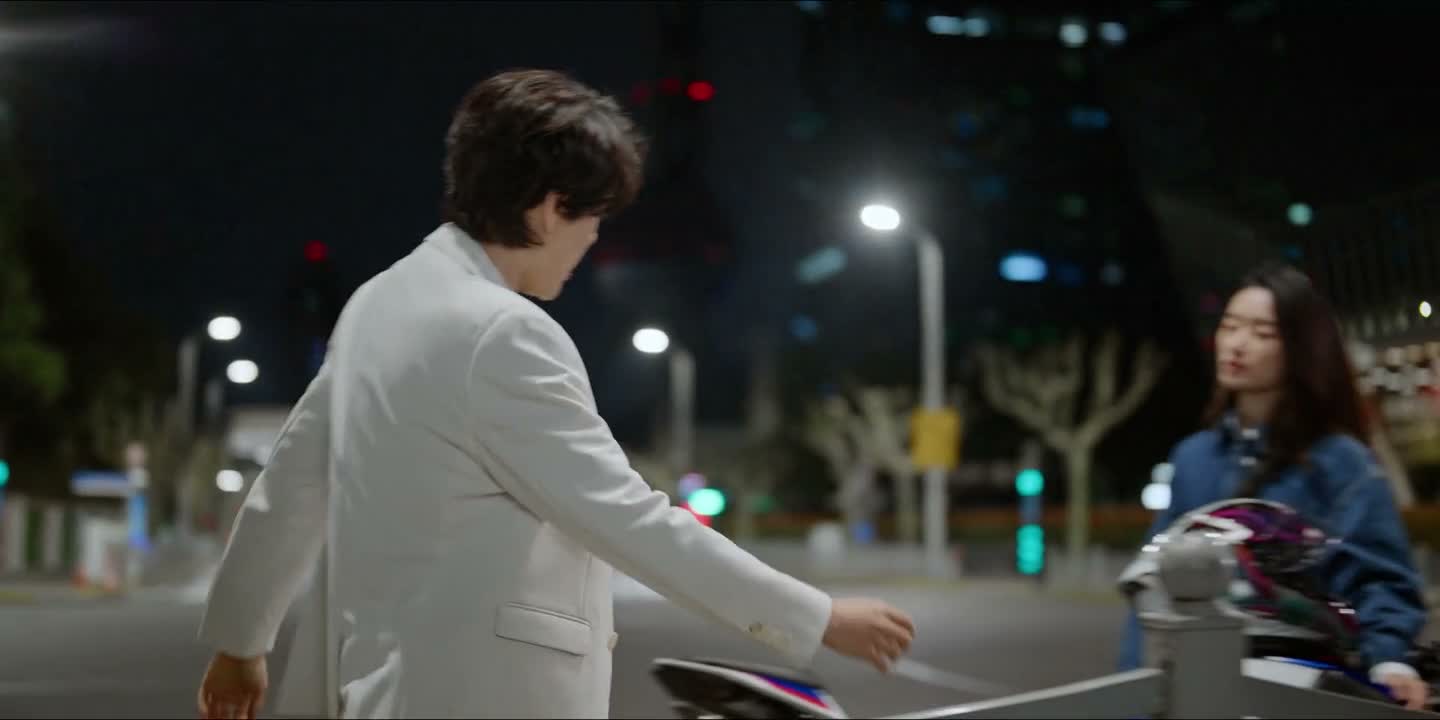
“Why didn't you tell me you get motion sickness earlier?”

“Even those who never get carsick can't handle this ride.”

“I took medicine. The last pill. Figured I would”

“He said he gets carsick, so he went to take the high-speed rail.”

“What medicine? I'll buy it. Can't get that here.”

“Besides, my body can't handle the bumps.”