文爸爸 小文同学在家吗
“Mr. Wen, is Chengye home?”
THE DIALOGUE REEL
“It wouldn't be appropriate for him to see you. Hold on a second.”
文爸爸 小文同学在家吗
“Mr. Wen, is Chengye home?”
“He's sick and resting at home. I've already asked for leave for him.”
Direct spoken expression in this communicative setting.
In Chinese educational culture, teachers routinely address parents as '[Student's Name] + 爸爸/妈妈' to emphasize their shared focus on the child's welfare rather than addressing them by their personal names.
LEARNING CHUNKS & PARTICLES
father (preceded by child's surname/name to address a parent)
In Chinese school communication, teachers often address parents as '[Child's surname/given name] + 爸爸/妈妈' rather than Mr./Mrs.
classmate / student
Teachers often append '同学' to a student's name when speaking formally or politely to parents or the class.
Forms a standard polar yes-or-no question.
VOCABULARY & EXPRESSIONS
Parallel Spoken Cinema Scenes (语义近邻切片)
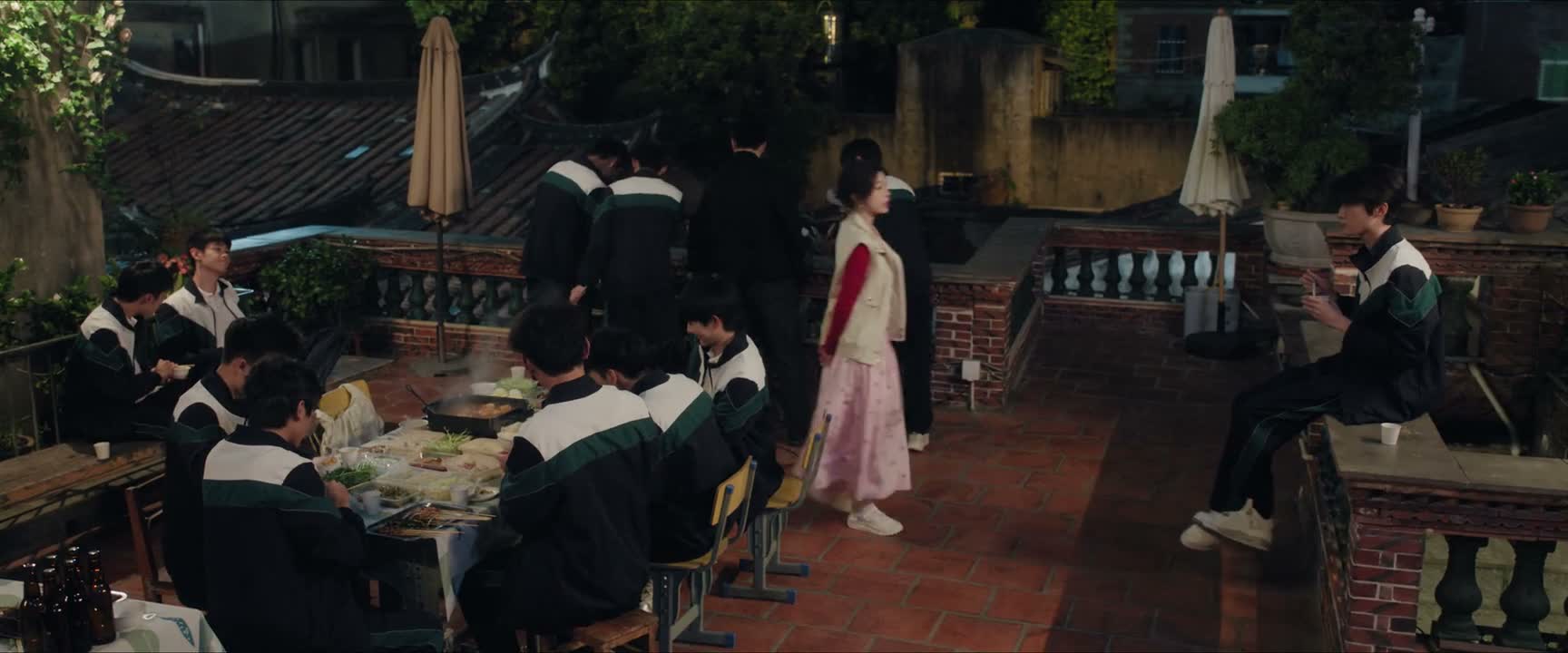
“Chengye, how have you been lately?”
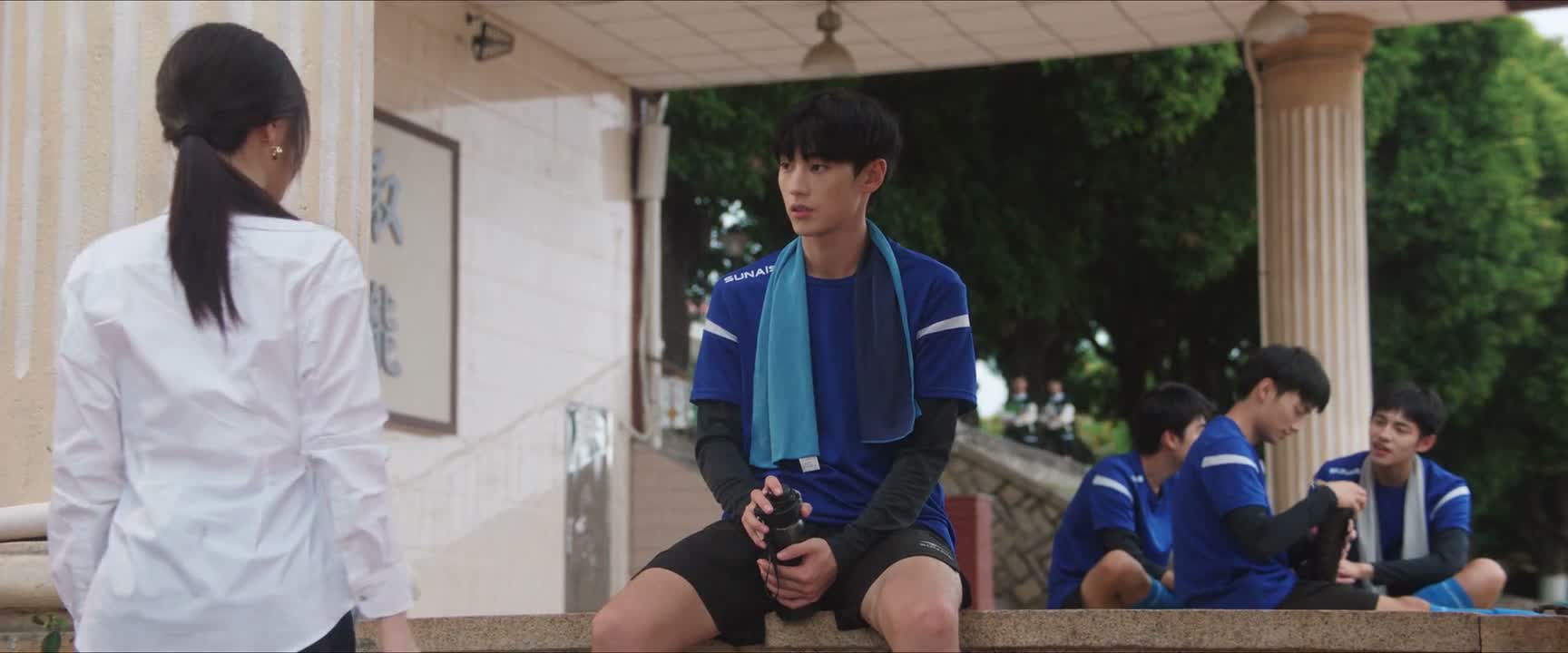
“What do you think of Wen Chengye?”
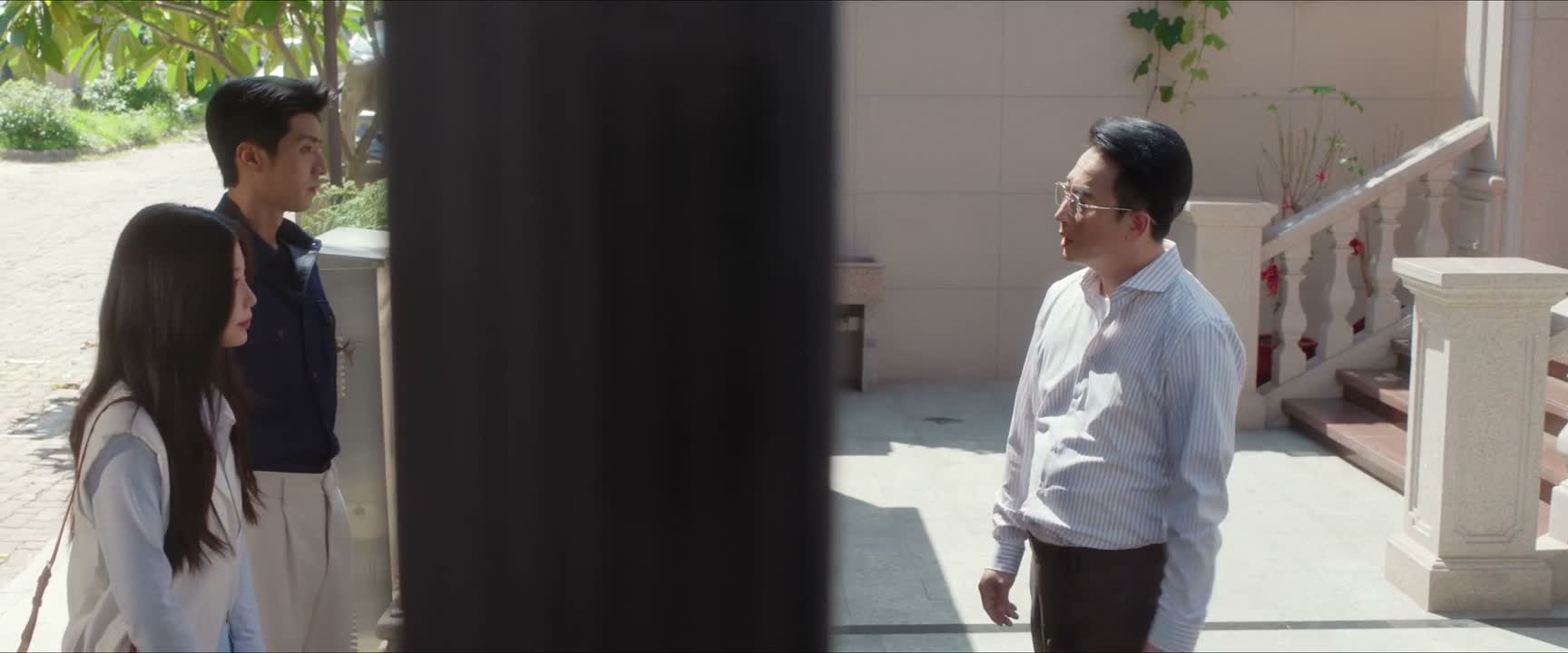
“Who are you guys? Hello, Mr. Wen. I'm a teacher at No. 8 High School”
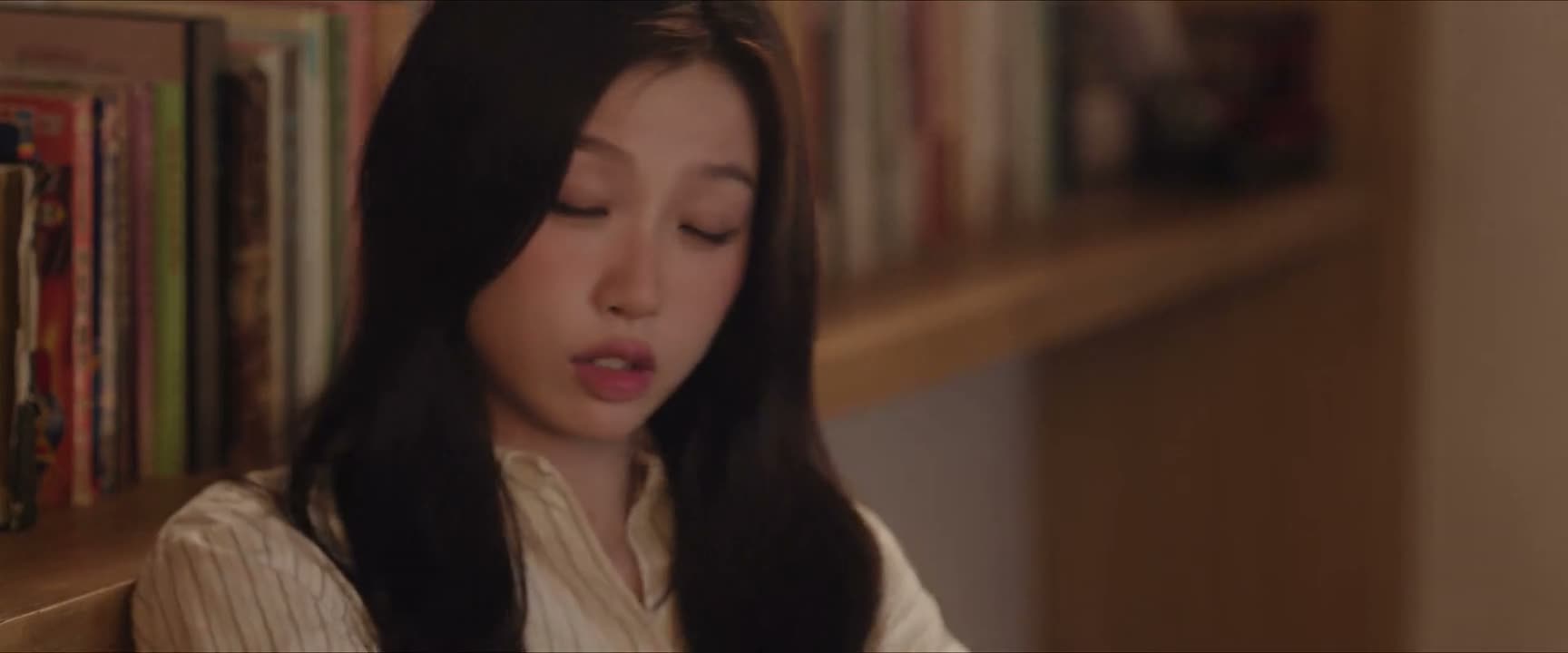
“Chengye, you should sign it too.”

“Wenxiu and I have known each other since childhood. How could I not know”

“I have Brother Wenxiu and the Yao family.”