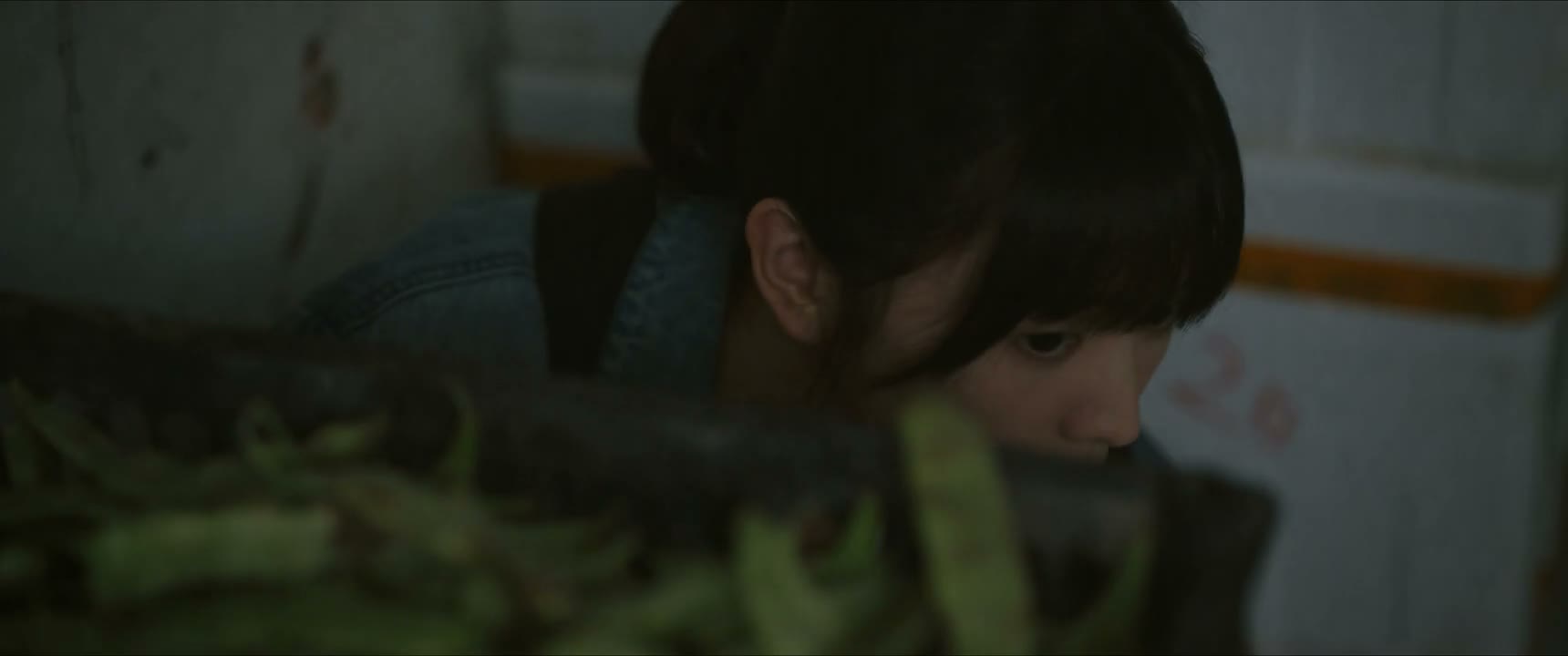
《Light to the Night》 S1·E3 (31:16)
HSK 3
nǐ jìn qù yǐ hòu zhī dào zěn me gēn rén dā huà ma ?
你进去以后 知道怎么跟人搭话吗?
“When you're inside, do you know what to say?”
《Light to the Night》
S1·E3
TIMECODE: 31:16
·
1080P MASTER AUDIO
THE DIALOGUE REEL
[-1] PREVIOUS TURN
děng děng
等等
“Wait.”
nǐ jìn qù yǐ hòu zhī dào zěn me gēn rén dā huà ma ?
CURRENT FOCUS
你进去以后 知道 怎么跟 人 搭话 吗?
“When you're inside, do you know what to say?”
[+1] FOLLOW-UP TURN
dā shén me huà ? jiù zhèng cháng shuō bei
“Say what? I'll speak like I normally would.”
Subtitles synced to millisecond timecode
Browse Show Clips →
Scene:
Daily Life
Function:
INQUIRING COMPETENCE
Tone:
DOUBTFUL
Emotion:
ANXIETY
WHAT THEY REALLY MEAN (PRAGMATIC SUBTEXT)
“You are terrible at talking to strangers; don't mess this up.”
💡 Cultural Insight: Interpersonal Tact (Chushi)
In Chinese culture, knowing how to initiate and manage conversations appropriately is considered a crucial social capability that directly affects outcomes.
INTENT TAGS:
#questioning
#skepticism
#preparation
#caution
🧩
2 CHUNKS · 1 PARTICLES
LEARNING CHUNKS & PARTICLES
搭话
SPOKEN CHUNK
strike up a conversation; initiate small talk
Commonly used in spoken Chinese to describe initiating a chat with strangers or breaking an awkward silence.
知道怎么
SPOKEN CHUNK
know how to
A frequent conversational frame used to ask whether someone possesses the know-how to handle a task.
Modal Particle「吗」 (ma)
CHANGE OF STATE
Marks a straightforward polar question, here carrying a skeptical or testing overtone.
🏮
3 EXPR · 0 GRAMMAR
VOCABULARY & EXPRESSIONS
COLLOQUIAL EXPRESSIONS:
CROSS-CINEMA CORPUS BOARD · PARALLEL SCENES
EXPLORE BY SEMANTIC SIMILARITY
Parallel Spoken Cinema Scenes (语义近邻切片)
《Light to the Night》 S1·E3 (31:16) · Authentic Cinema Dialogue Corpus