MC
MandarinClips Cinema Corpus
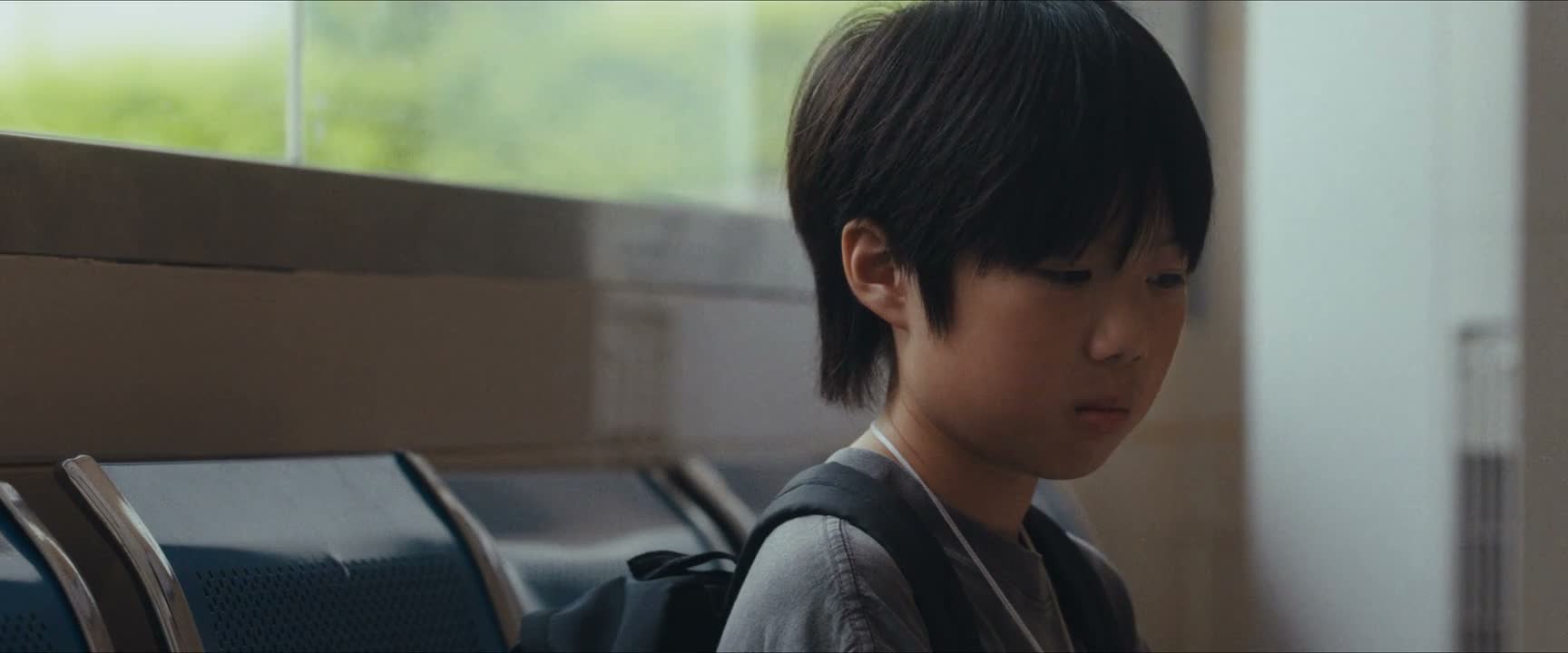
《Go Ahead》 S1·E4 (18:08) HSK 6
āi yā xíng la bié sǎo la tǐng gān jìng de le huí qù ba

哎呀行啦 别扫啦 挺干净的了 回去吧

“Hey, stop. Stop wiping the floor. It's been pretty clean already. Go back home.”

《Go Ahead》 S1·E4
TIMECODE: 18:08 · 1080P MASTER AUDIO

THE DIALOGUE REEL

1+1+1 SPOKEN CONTINUITY
[-1] PREVIOUS TURN zuò zuò yè

做作业

“Do your homework.”

āi yā xíng la bié sǎo la tǐng gān jìng de le huí qù ba CURRENT FOCUS

哎呀行啦 别扫啦 挺干净的 了 回去吧

“Hey, stop. Stop wiping the floor. It's been pretty clean already. Go back home.”

[+1] FOLLOW-UP TURN hǎi cháo

海潮

“Haichao.”

Subtitles synced to millisecond timecode Browse Show Clips →
Scene: Daily Life
Function: URGING CESSATION
Tone: GENTLE
Emotion: CARE
WHAT THEY REALLY MEAN (PRAGMATIC SUBTEXT)
“You have worked hard enough; stop wearing yourself out and go inside.”
💡 Cultural Insight: Tough Love and Caretaking

Elders in Chinese culture often show affectionate concern through brisk, semi-commanding phrases like '行啦' rather than effusive praise.

INTENT TAGS: #persuasion #care #stopping_action #reassurance
🧩

LEARNING CHUNKS & PARTICLES

2 CHUNKS · 2 PARTICLES
行啦 SPOKEN CHUNK

that's enough; that'll do

Colloquial oral chunk used to tell someone to cease an ongoing action, often with affectionate impatience.

挺干净的 SPOKEN CHUNK

quite clean

Standard conversational pattern '挺...的' used to express moderate to high degree in casual speech.

Modal Particle「啦」 (la) CHANGE OF STATE

Softens the command, combining the functions of '了' and '啊' to make the urging feel warm rather than harsh.

Modal Particle「吧」 (ba) CHANGE OF STATE

Softens the directive into a gentle suggestion for the listener to leave.
🏮

VOCABULARY & EXPRESSIONS

2 EXPR · 0 GRAMMAR
CROSS-CINEMA CORPUS BOARD · PARALLEL SCENES

Parallel Spoken Cinema Scenes (语义近邻切片)

EXPLORE BY SEMANTIC SIMILARITY
《Go Ahead》 S1·E4 (18:08) · Authentic Cinema Dialogue Corpus