而且 你们又不同姓
“Besides, you don't have the same last name.”
THE DIALOGUE REEL
我哥只有我一个妹妹 她只生了我和我哥哥
“my brother has only one sister, who is me. She only gave birth to my brother and me.”
而且 你们又 不同姓
“Besides, you don't have the same last name.”
我跟你也不同姓
“Yours is also different from mine.”
“You don't even share a last name, so why act like you're full siblings?”
In traditional Chinese culture, sharing a surname signifies direct patrilineal kinship, so having different surnames is often pointed out to question the legitimacy or closeness of sibling ties.
LEARNING CHUNKS & PARTICLES
moreover; furthermore
Used to add an additional supporting point or argument to strengthen one's position.
not having the same surname
Refers to having different family names, often carrying cultural implications of different clans or step-family ties.
VOCABULARY & EXPRESSIONS
Parallel Spoken Cinema Scenes (语义近邻切片)

“No, we're at different stages. Get it?”

“How is it different when it comes to you?”
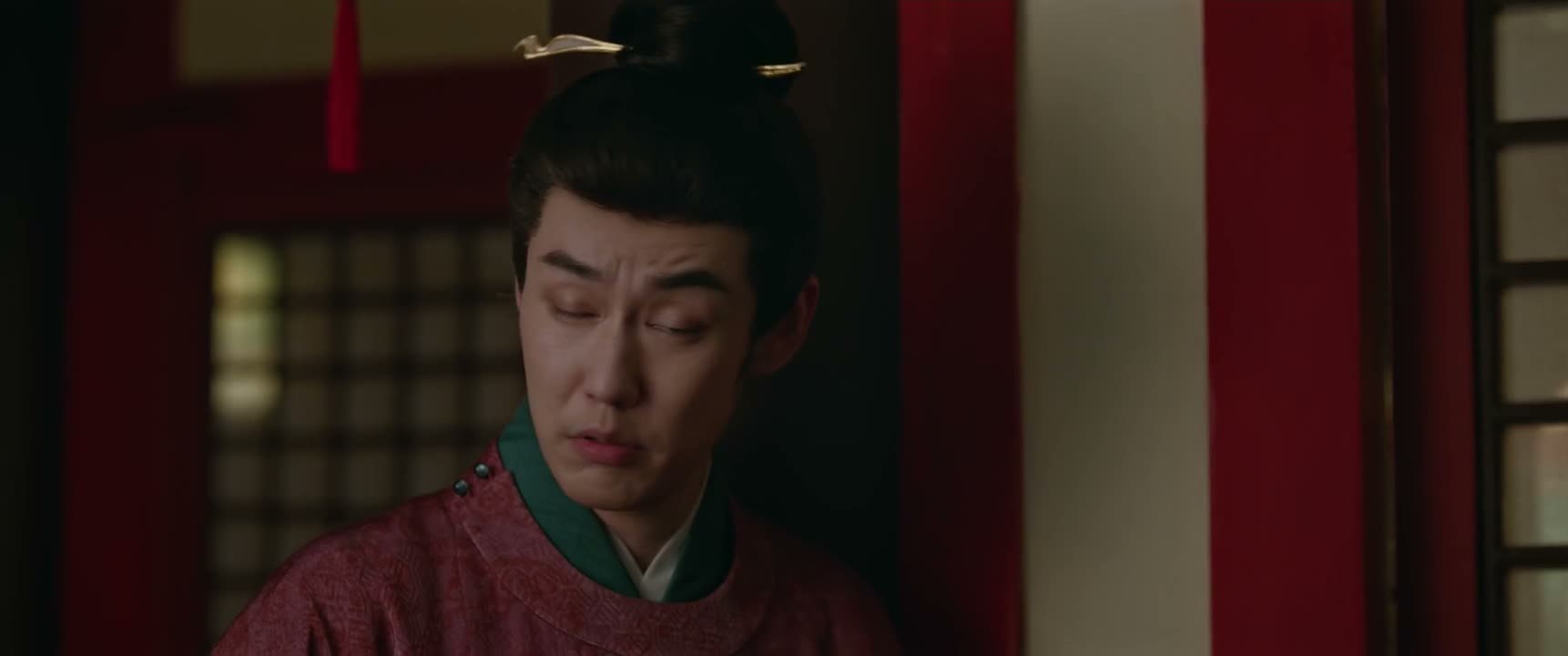
“But how come she seemed different this time?”