还活不到现在呢 还哪有今天呢
“have died. She wouldn't have been where she is now.”
THE DIALOGUE REEL
要不是她离婚走了 说不定想不开
“If she hadn't got divorced and left, she would”
还活不到现在呢 还 哪有今天 呢
“have died. She wouldn't have been where she is now.”
按我说
“In my opinion,”
Direct spoken expression in this communicative setting.
In contemporary Chinese discourse, while divorce historically carried stigma, speakers often validate radical life changes if they saved an individual from extreme psychological suffering or domestic entrapment.
LEARNING CHUNKS & PARTICLES
how could one have reached today; wouldn't be where one is today
A rhetorical idiom used to emphasize that a current positive outcome was only possible because of a past pivotal action or sacrifice.
would not have lived up to this point
A hyperbolic spoken pattern used in hypothetical statements to dramatize severe consequences that were avoided.
Reinforces the rhetorical question and prolongs the conversational cadence to emphasize the hypothetical contrast.
VOCABULARY & EXPRESSIONS
Parallel Spoken Cinema Scenes (语义近邻切片)

“now I don't even have the strength left for regrets.”

“today's your last day.”
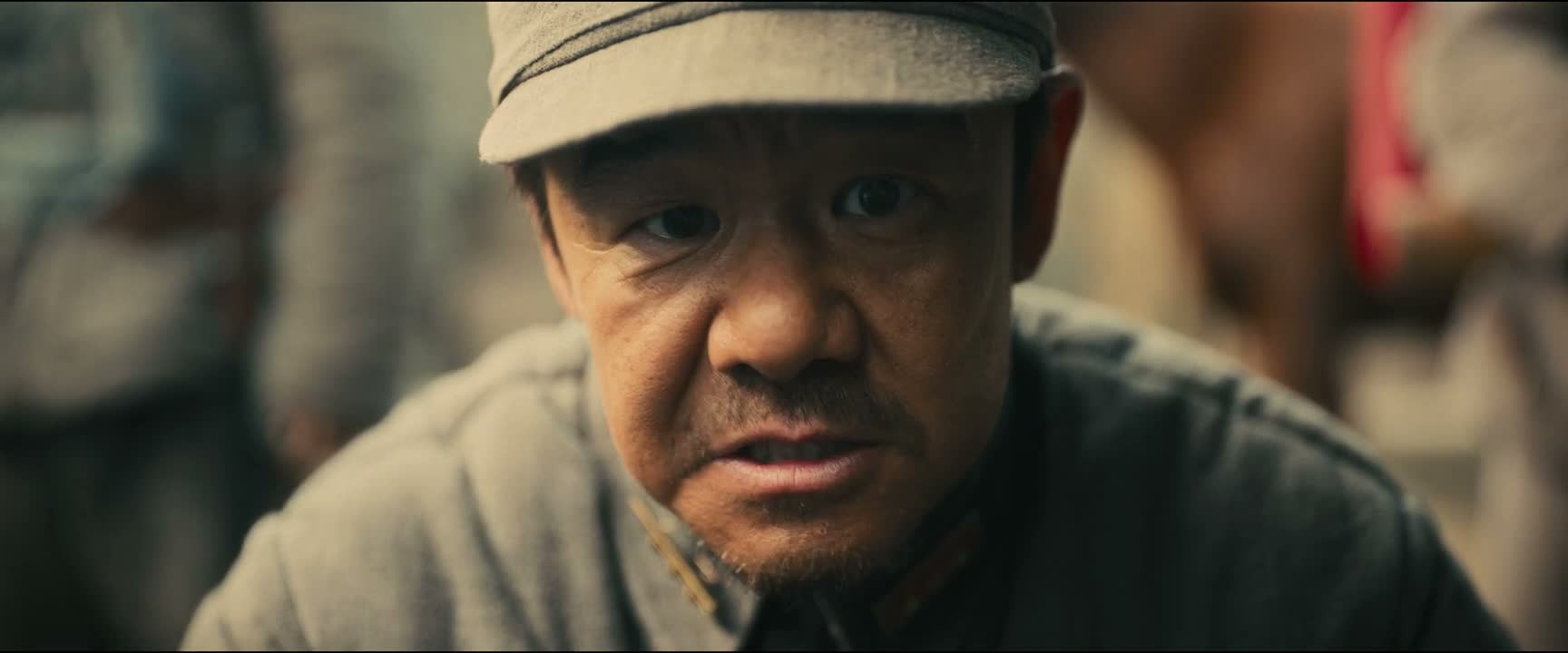
“you're not leaving today.”

“You never expected I'd live to see this day, did you?”

“But I'm still living well now.”

“Logically, she shouldn't be alive.”