这不现在 也活得好好的吗
“But I'm still living well now.”
THE DIALOGUE REEL
“I've been through the old society. I have seen everything.”
这不 现在 也 活得好好的 吗
“But I'm still living well now.”
奶奶 我先走了
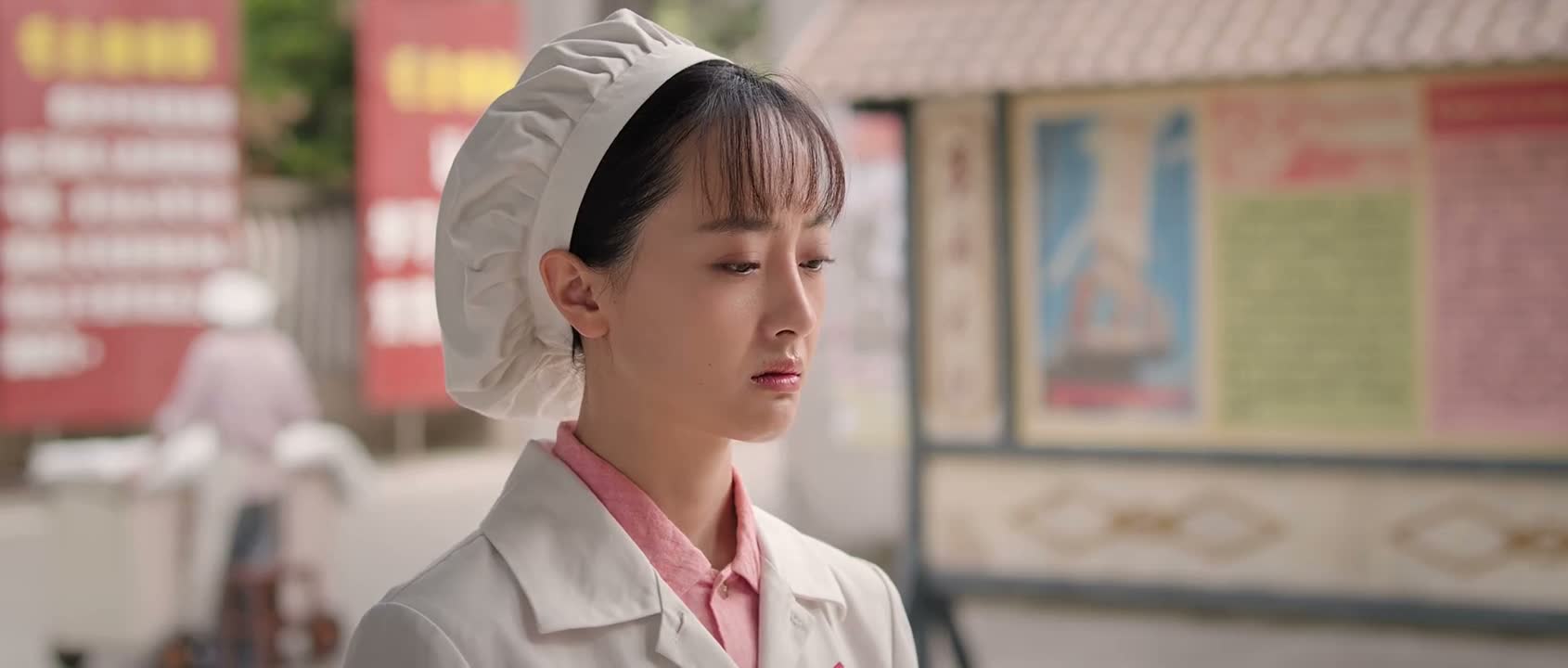
“Granny, I have to go now.”
“Don't worry about me or let hardship get you down; look at me, I survived it all and I'm fine.”
Older generations in China often cite their past endurance through hardship ('eating bitterness') as living proof to comfort or guide younger family members.
LEARNING CHUNKS & PARTICLES
alive and kicking; living perfectly well
A reassuring collocation with reduplication ('好好的') emphasizing good health, well-being, or resilience.
look; as you can see; after all
A spoken discourse marker used to direct the listener's attention to an obvious, evident fact.
Forms a rhetorical question expecting clear agreement.
VOCABULARY & EXPRESSIONS
Parallel Spoken Cinema Scenes (语义近邻切片)
“Isn't he doing fine now?”

“Aren't we living perfectly fine now?”

“But I'm still living a good life, right?”

“have died. She wouldn't have been where she is now.”

“Looks like today is not a good day.”

“Aren't you still alive and well?”

“Life is life, however you live it.”