他现在不也活得挺好吗
“Isn't he doing fine now?”
THE DIALOGUE REEL
可他从来没有为了一份好工作 去跟知青办闹过
“But he never wrecked the Educated Youth Office just to land a "good" job.”
他现在 不也 活得 挺好 吗
“Isn't he doing fine now?”
我觉得
“I'll be fine”
“Look at the result: he turned out totally fine, so stop judging his path.”
In post-Cultural Revolution China, the struggles of sent-down youths (知青) returning to cities and fighting for job assignments created lasting debates over compromise versus integrity.
LEARNING CHUNKS & PARTICLES
isn't ... also (a rhetorical pattern)?
A common rhetorical question framework used to point out an obvious counter-fact that proves one's point.
living quite well; doing just fine
A colloquial way to summarize someone's overall well-being or current state of life.
Marks a rhetorical question that expects strong agreement, emphasizing the obviousness of the statement.
VOCABULARY & EXPRESSIONS
Parallel Spoken Cinema Scenes (语义近邻切片)
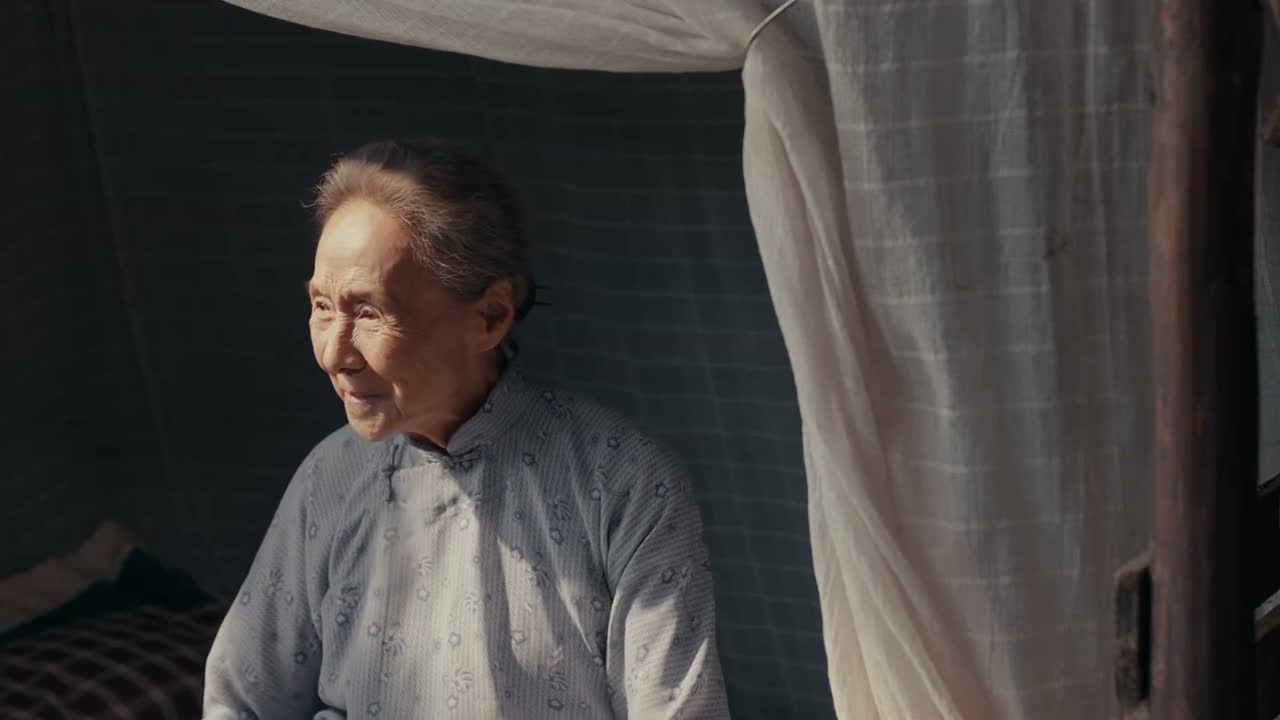
“But I'm still living well now.”

“But I'm still living a good life, right?”

“He must be living very comfortably now,”