孩子都大了 还年什么轻
“Our child has grown up. How could I look younger?”
THE DIALOGUE REEL
孩子都大了 还 年什么轻
“Our child has grown up. How could I look younger?”
谢谢你啊 谢谢你帮我办我女儿 借读的事
“Thank you. Thank you for taking care of the school thing of my daughter.”
“Thank you, but I'm getting old and shouldn't flatter myself.”
In Chinese culture, directly accepting a compliment regarding one's youth or looks can appear conceited, so speakers routinely use self-deprecating remarks about aging to maintain humble social balance.
LEARNING CHUNKS & PARTICLES
how can one even talk about...; what kind of... are you talking about
A spoken rhetorical construction used to mock or dismiss an inaccurate description, especially to downplay compliments.
are already all grown up
A standard spoken phrase referencing children reaching adulthood, often used as a marker for the passage of time.
VOCABULARY & EXPRESSIONS
Parallel Spoken Cinema Scenes (语义近邻切片)
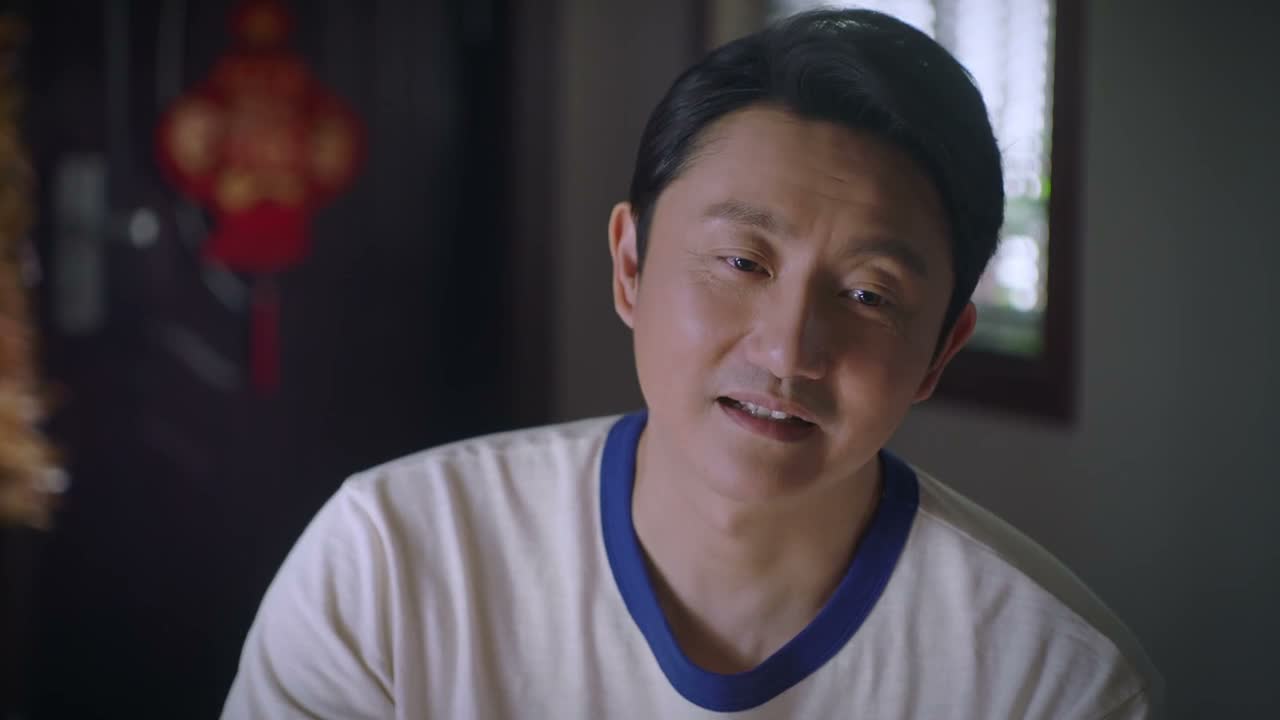
“as if you were still kids.”

“You're still so young. Don't speak so frivolously.”
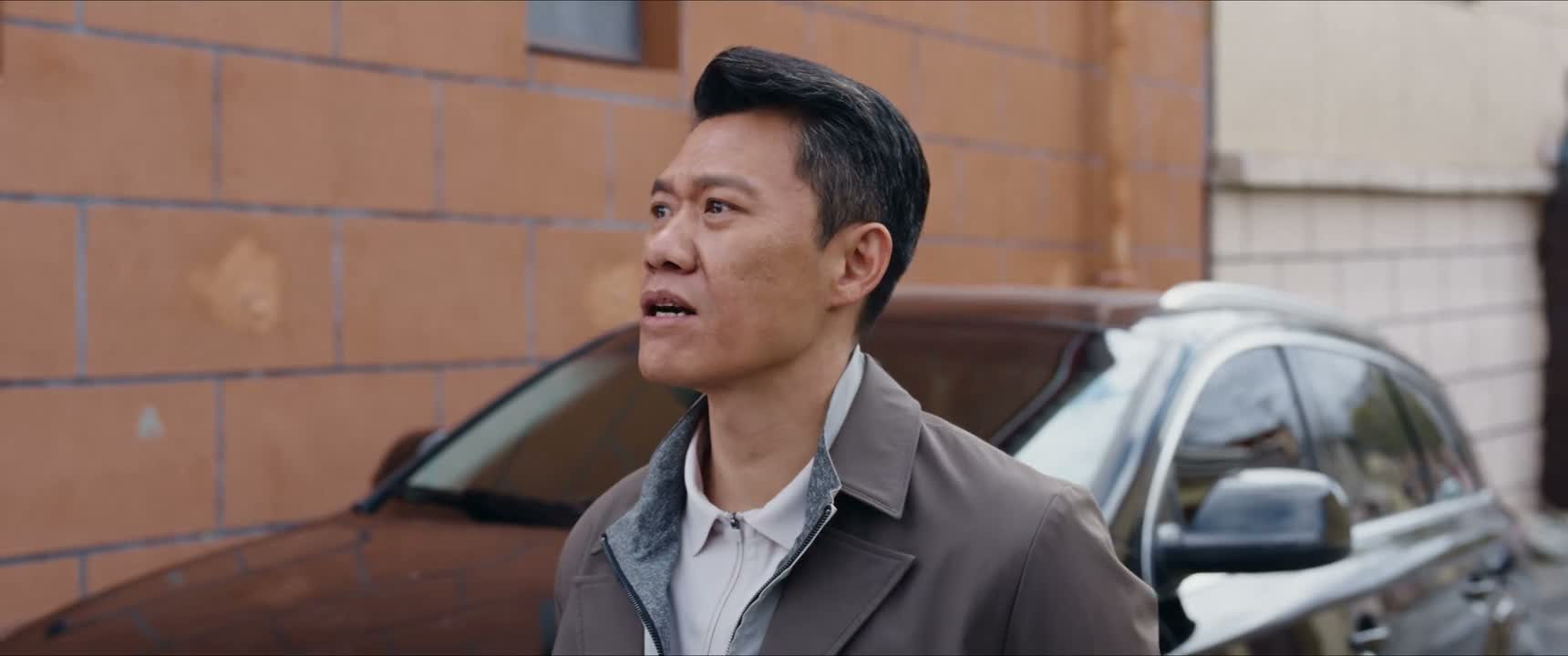
“Your kid is in fifth grade, right?”
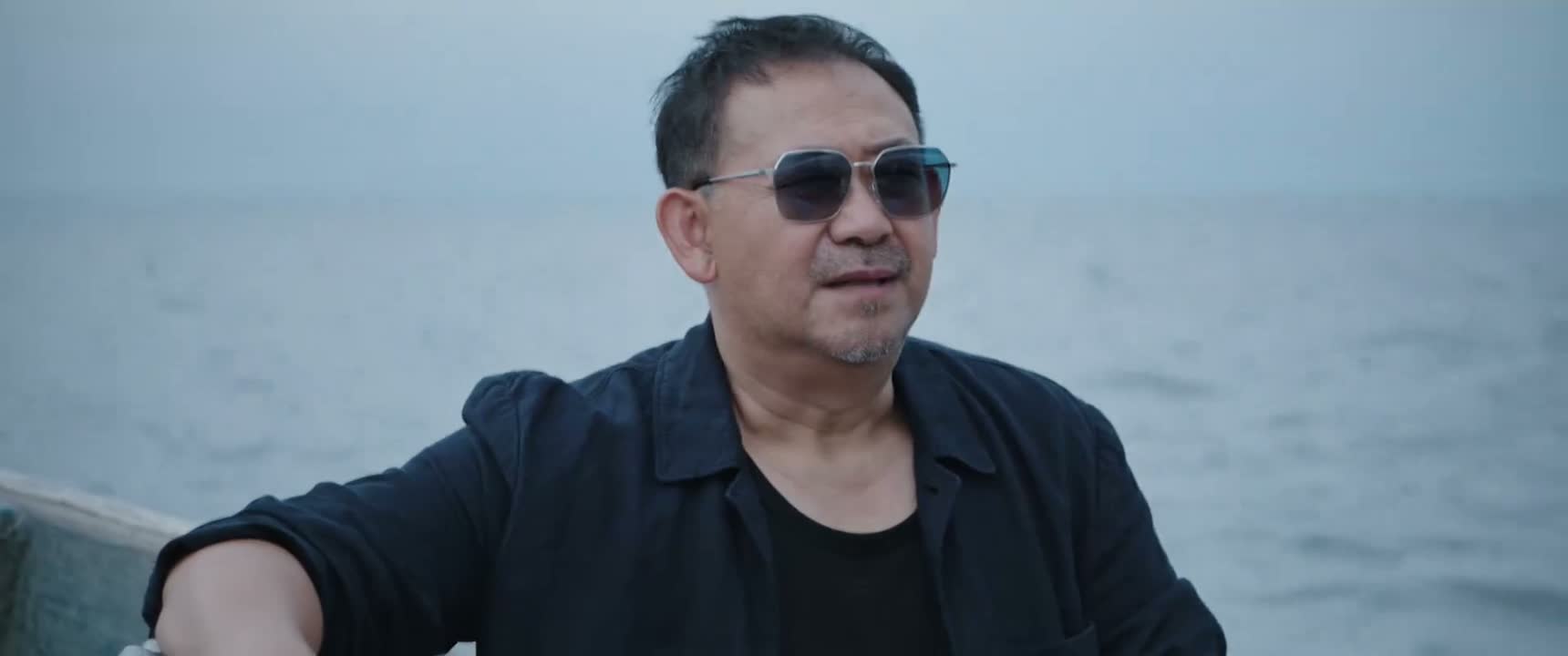
“You're still young. Life ahead is long.”
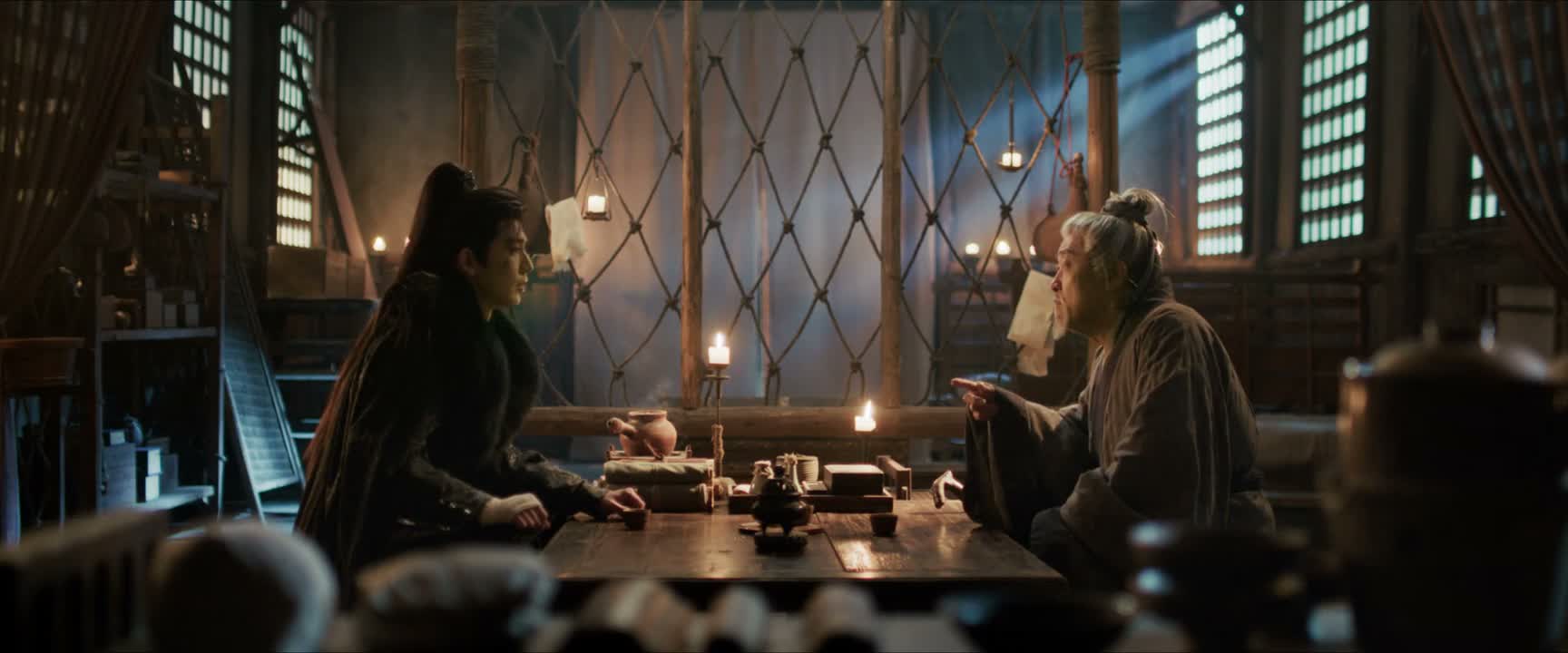
“And how old is she?”

“Hey! How old are you? So rude!”