我家一共就五个人 其他人都是外人
“there're five members in my family in total. The others don't belong to my family.”
THE DIALOGUE REEL
“but why did you push me? I make it clear to you that”
我家 一共就五个人 其他人 都是外人
“there're five members in my family in total. The others don't belong to my family.”
“Then why do you keep trying to find your mother who doesn't belong to your family?”
“You don't count as real family to me, so stay out of our business.”
Chinese social psychology heavily differentiates between insiders (自己人) and outsiders (外人); calling someone an outsider intentionally strips them of rights to intervene.
LEARNING CHUNKS & PARTICLES
make things clear; state explicitly
Used when drawing hard boundaries or resolving ambiguity in interpersonal conflict.
outsider
Carries a strong exclusionary connotation, distinguishing in-group members from those who have no standing.
VOCABULARY & EXPRESSIONS
Parallel Spoken Cinema Scenes (语义近邻切片)
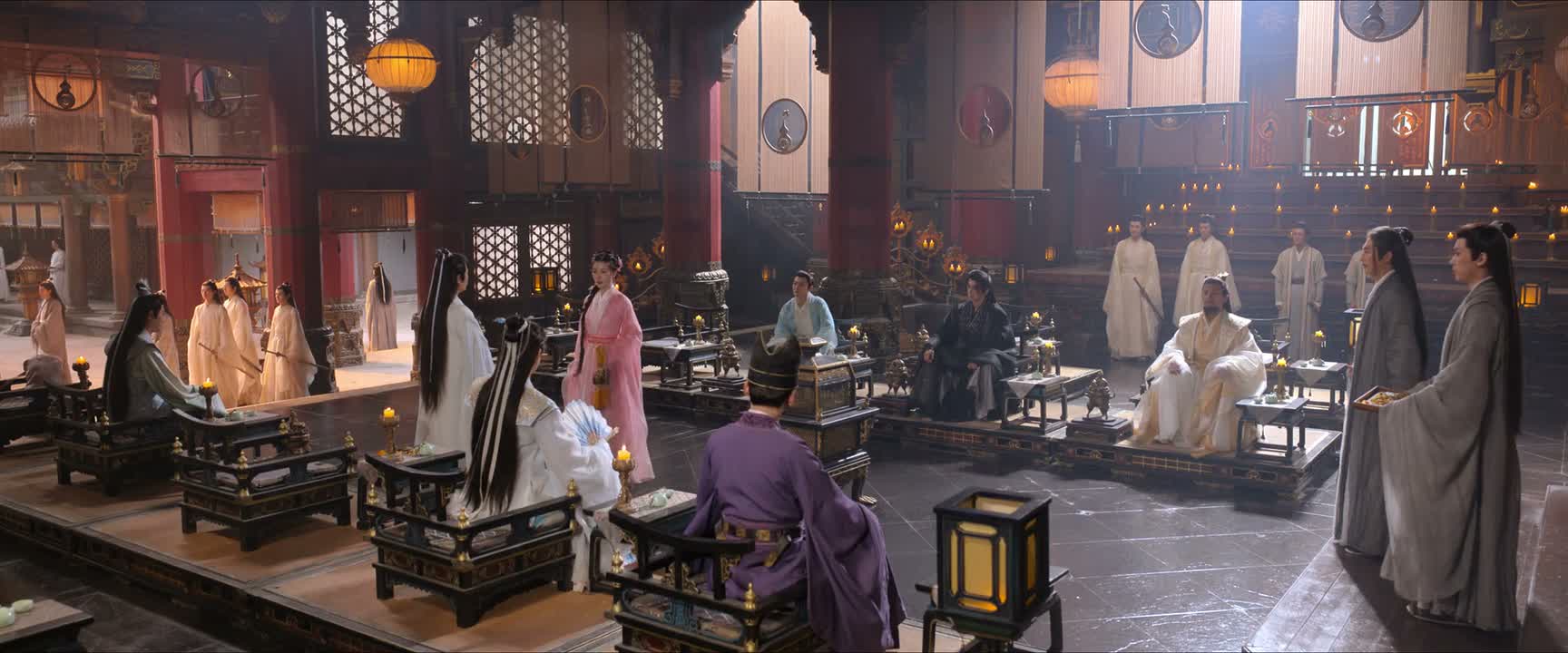
“a typical family of five—”

“means only the four of us!”

“five left the city yesterday.”

“How can I an outsider like me stop you guys from getting together?”

“only these 5 guys knew about it.”

“I'm the only one in the family who didn't know?”