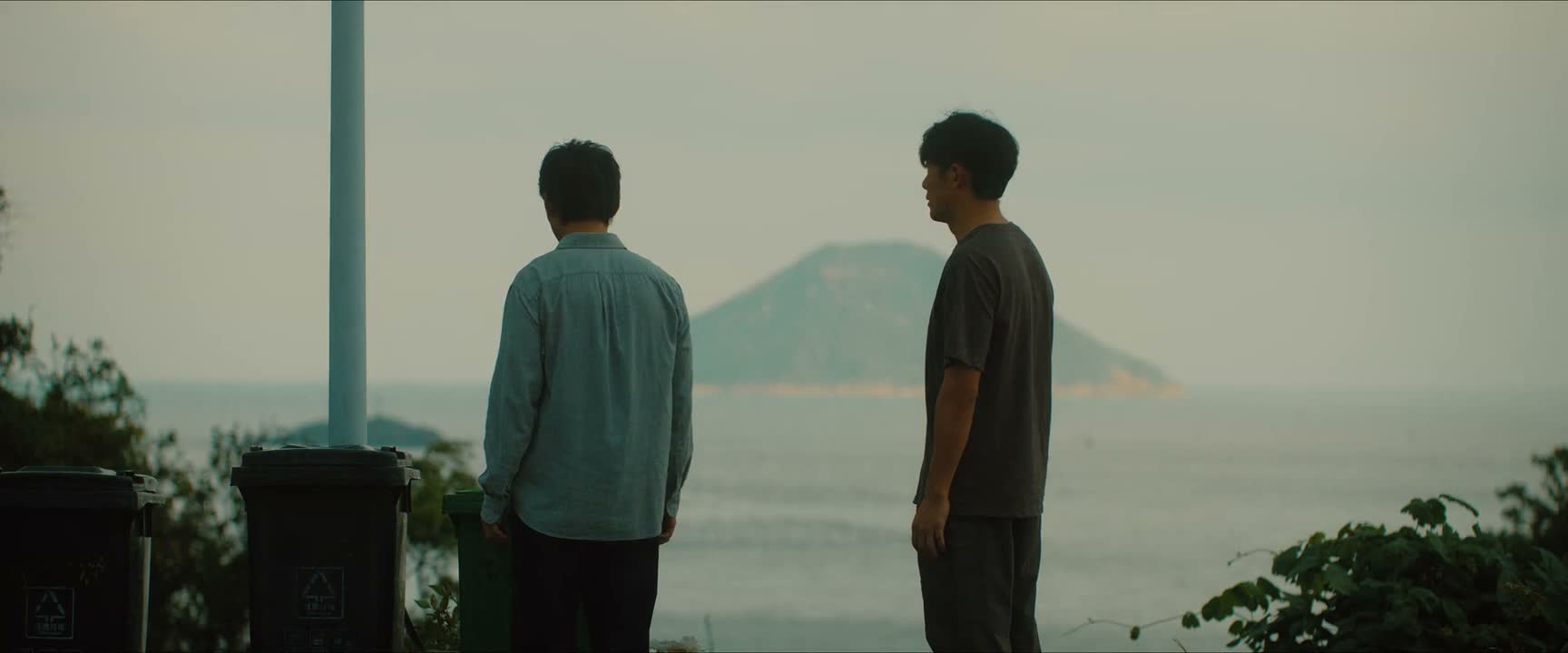
《Go Ahead》 S1·E4 (25:04)
HSK 4
zhè hái zi bù néng liú zhè a
这孩子不能留这啊
“You can't leave the child here.”
《Go Ahead》
S1·E4
TIMECODE: 25:04
·
1080P MASTER AUDIO
THE DIALOGUE REEL
[-1] PREVIOUS TURN
bú shì
不是
“Nope.”
zhè hái zi bù néng liú zhè a
CURRENT FOCUS
这孩子 不能留这 啊
“You can't leave the child here.”
[+1] FOLLOW-UP TURN
āi
哎
“Hey.”
Subtitles synced to millisecond timecode
Browse Show Clips →
Scene:
Crisis & Conflict
Function:
REFUSING
Tone:
ASSERTIVE
Emotion:
ANXIETY
WHAT THEY REALLY MEAN (PRAGMATIC SUBTEXT)
Direct spoken expression in this communicative setting.
💡 Cultural Insight: Family Boundary and Burden Management
In Chinese domestic disputes, accommodating an extra child often involves complex responsibilities, social face, and economic obligations, prompting firm boundary-setting.
INTENT TAGS:
#refusal
#boundary_setting
#insistence
#urgency
🧩
2 CHUNKS · 1 PARTICLES
LEARNING CHUNKS & PARTICLES
留这
SPOKEN CHUNK
stay here; remain in this place
A spoken contraction of '留在这一边' or '留在这里', indicating physical presence or custody.
不能
SPOKEN CHUNK
must not; cannot be allowed to
Denotes strong prohibition or circumstantial impossibility rather than mere lack of ability.
Modal Particle「啊」 (a)
CHANGE OF STATE
Heightens urgency and insists on immediate agreement from the listener.
🏮
1 EXPR · 0 GRAMMAR
VOCABULARY & EXPRESSIONS
COLLOQUIAL EXPRESSIONS:
CROSS-CINEMA CORPUS BOARD · PARALLEL SCENES
EXPLORE BY SEMANTIC SIMILARITY
Parallel Spoken Cinema Scenes (语义近邻切片)

《Go Ahead》 S1·E4 (25:04) · Authentic Cinema Dialogue Corpus