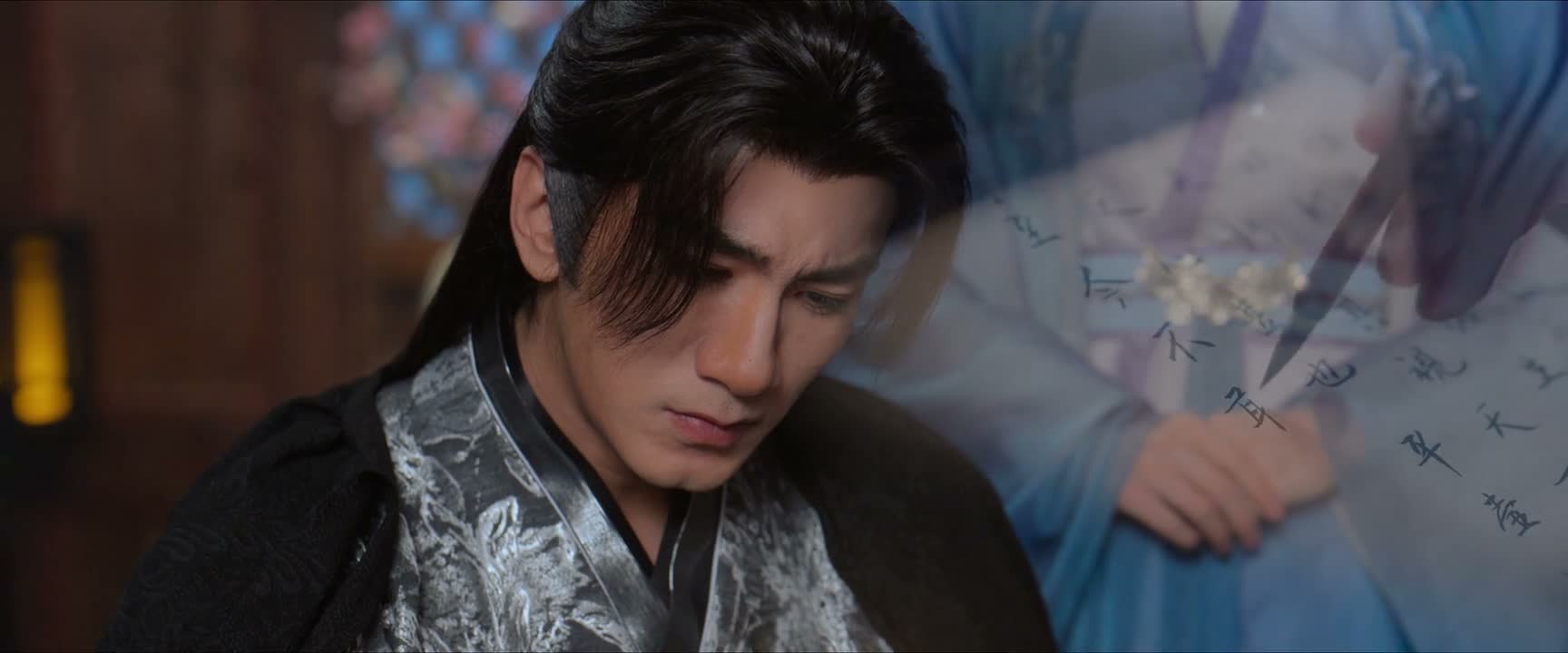
《Echoes of a Thousand Moons》 S1·E3 (05:30)
HSK 3
bù néng wàng jì jiǔ yī bā
不能忘记九一八
“We cannot forget September 18th!”
《Echoes of a Thousand Moons》
S1·E3
TIMECODE: 05:30
·
1080P MASTER AUDIO
THE DIALOGUE REEL
[-1] PREVIOUS TURN
bō xuē zán men de rén fù chóu duì kàng
剥削咱们的人 复仇 对抗
“those who oppress and exploit us! Revenge and fight!”
bù néng wàng jì jiǔ yī bā
CURRENT FOCUS
不能忘记 九一八
“We cannot forget September 18th!”
Subtitles synced to millisecond timecode
Browse Show Clips →
Scene:
Crisis & Conflict
Function:
IDEOLOGICAL MOBILIZATION
Tone:
SOLEMN
Emotion:
GRIEF
WHAT THEY REALLY MEAN (PRAGMATIC SUBTEXT)
“Remember the shame and pain our country suffered, and fight with everything you have.”
💡 Cultural Insight: Commemoration as Wartime Mobilization
Referencing calendar dates of foreign invasion acts as a potent call to solidarity in modern Chinese history, transforming collective grief into military determination.
INTENT TAGS:
#mobilization
#remembrance
#rallying
#solidarity
🧩
2 CHUNKS · 0 PARTICLES
LEARNING CHUNKS & PARTICLES
不能忘记
SPOKEN CHUNK
must not forget / never forget
A powerful rhetorical imperative used in patriotic, commemorative, or high-conviction speeches.
九一八
SPOKEN CHUNK
September 18th Incident (Mukden Incident of 1931)
Shorthand reference to the Japanese invasion of Manchuria, a foundational national trauma marker in modern Chinese history.
🏮
1 EXPR · 0 GRAMMAR
VOCABULARY & EXPRESSIONS
COLLOQUIAL EXPRESSIONS:
CROSS-CINEMA CORPUS BOARD · PARALLEL SCENES
EXPLORE BY SEMANTIC SIMILARITY
Parallel Spoken Cinema Scenes (语义近邻切片)

《Echoes of a Thousand Moons》 S1·E3 (05:30) · Authentic Cinema Dialogue Corpus