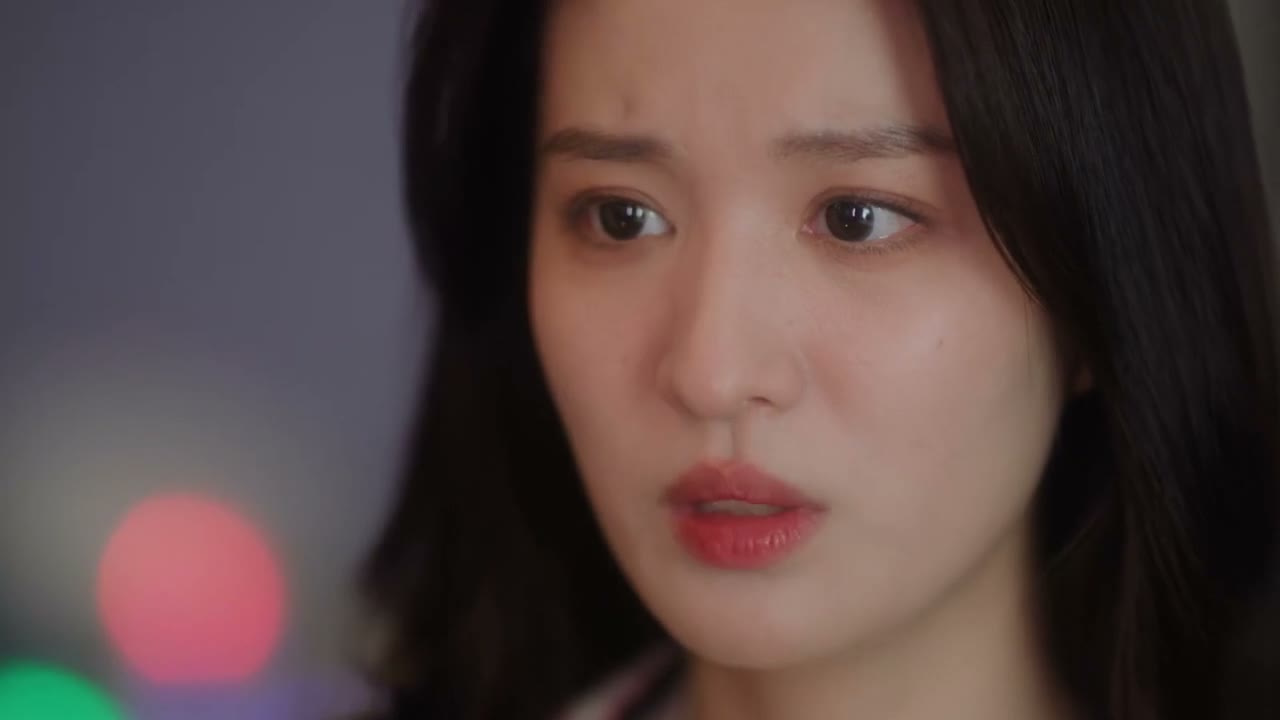
《The Heir》 S1·E19 (06:56)
HSK 5
nín chū lái zěn me bù jiào wǒ ya
您出来怎么不叫我呀
“Why didn't you call me when you came out?”
《The Heir》
S1·E19
TIMECODE: 06:56
·
1080P MASTER AUDIO
THE DIALOGUE REEL
[-1] PREVIOUS TURN
jiù shì zhè ge ké sòu
就是这个咳嗽
“It's just this cough.”
nín chū lái zěn me bù jiào wǒ ya
CURRENT FOCUS
您 出来 怎么不叫我 呀
“Why didn't you call me when you came out?”
[+1] FOLLOW-UP TURN
wǒ jiù xiǎng zì jǐ qù zhǎo zhǎo zhǎo bú dào nín nín zhī dào wǒ duō dān xīn ya
我就想自己去找找 找不到您 您知道我多担心呀
“I just wanted to look for it myself. I couldn't find you. Do you know how worried I was?”
Subtitles synced to millisecond timecode
Browse Show Clips →
Scene:
Family & Home
Function:
AFFECTIONATE REPROACH
Tone:
GENTLY REPROACHFUL
Emotion:
CONCERN
WHAT THEY REALLY MEAN (PRAGMATIC SUBTEXT)
“You are unwell; you should not sneak off alone and make me worry about you.”
💡 Cultural Insight: Filial Concern via Soft Blame
In Chinese family interactions, junior members often convey deep care and filial devotion toward elders through gentle scolding and expressions of anxiety.
INTENT TAGS:
#caring
#mild_complaint
#worry
#filial_piety
🧩
1 CHUNKS · 1 PARTICLES
LEARNING CHUNKS & PARTICLES
怎么不叫我
SPOKEN CHUNK
why didn't you call me / wake me / let me know
A natural spoken phrase used to express mild complaint or loving concern when someone undertakes an action alone.
Modal Particle「呀」 (ya)
CHANGE OF STATE
Softens the rhetorical question into a caring, gentle reproach rather than an aggressive interrogation.
🏮
2 EXPR · 0 GRAMMAR
VOCABULARY & EXPRESSIONS
COLLOQUIAL EXPRESSIONS:
CROSS-CINEMA CORPUS BOARD · PARALLEL SCENES
EXPLORE BY SEMANTIC SIMILARITY
Parallel Spoken Cinema Scenes (语义近邻切片)

《The Heir》 S1·E19 (06:56) · Authentic Cinema Dialogue Corpus