MC
MandarinClips Cinema Corpus
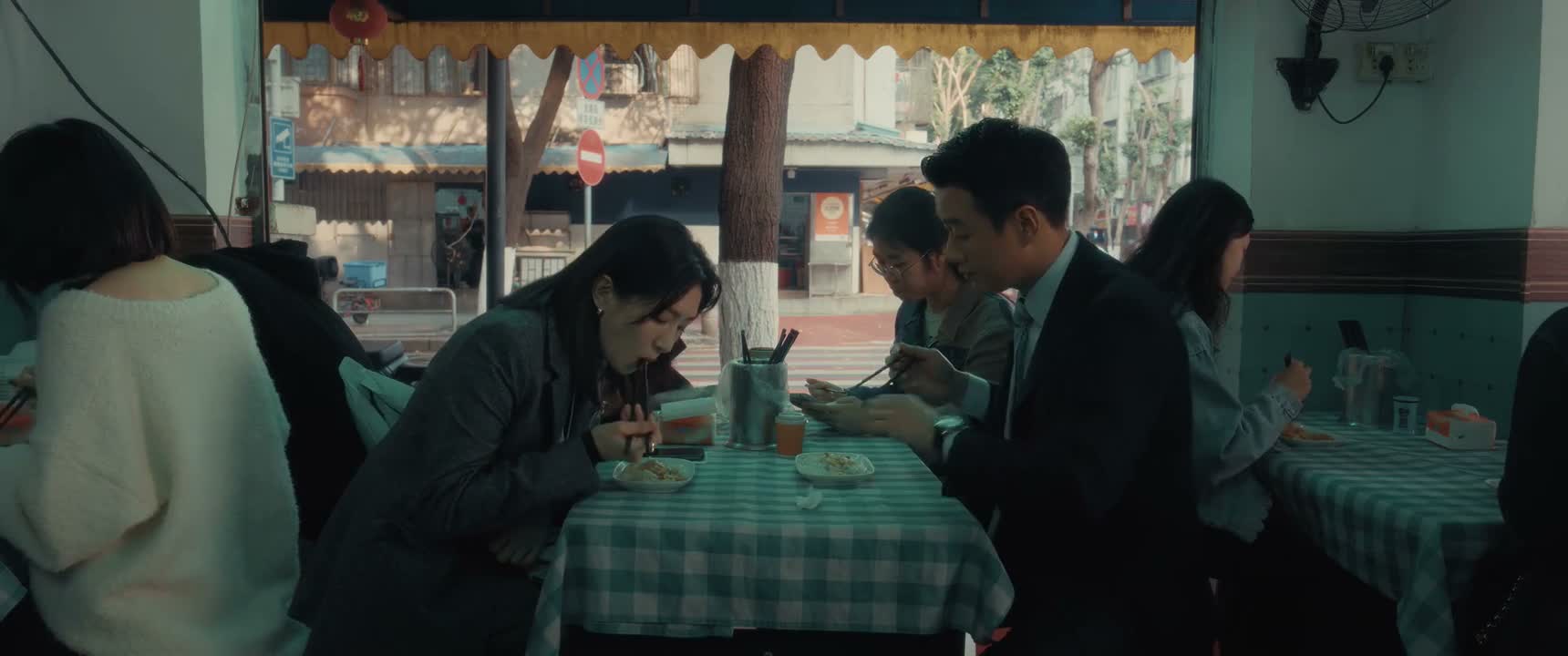
《Love Has Fireworks》 S1·E11 (33:20) HSK 7
wǒ zuì jìn shǒu tóu huó tài duō le wǒ zǒng áo yè

我最近手头活太多了 我总熬夜

“I've had too much work lately. I'm always staying up late.”

《Love Has Fireworks》 S1·E11
TIMECODE: 33:20 · 1080P MASTER AUDIO

THE DIALOGUE REEL

1+1+1 SPOKEN CONTINUITY
[-1] PREVIOUS TURN nǐ néng bù néng bāng wǒ mǎi diǎn yào a nǐ zěn me le

“Can you buy some medicine for me? What's wrong?”

wǒ zuì jìn shǒu tóu huó tài duō le wǒ zǒng áo yè CURRENT FOCUS

我最近 手头活太多 了 我 总熬夜

“I've had too much work lately. I'm always staying up late.”

[+1] FOLLOW-UP TURN gū jì zhè lǎo máo bìng yòu fàn le

估计这老毛病又犯了

“My old problem is acting up again.”

Subtitles synced to millisecond timecode Browse Show Clips →
Scene: Daily Life
Function: EXPLAINING CAUSE
Tone: WEARY
Emotion: EXHAUSTION
WHAT THEY REALLY MEAN (PRAGMATIC SUBTEXT)

Direct spoken expression in this communicative setting.

💡 Cultural Insight: Overwork and Bodily Balance (Yangsheng)

In contemporary Chinese urban culture, '熬夜' (staying up late) is widely perceived as directly damaging to one's vitality and immune health, often cited as the root cause of recurrent physical ailments.

INTENT TAGS: #complaining #explaining #fatigue #justification
🧩

LEARNING CHUNKS & PARTICLES

2 CHUNKS · 1 PARTICLES
手头活 SPOKEN CHUNK

tasks on hand / current workload

A very natural colloquial term used to refer to ongoing or immediate tasks and chores.

熬夜 SPOKEN CHUNK

to stay up late / to burn the midnight oil

An essential daily life term frequently used in discussions about stress, health, and work habits.

Modal Particle「了」 (le) CHANGE OF STATE

Indicates a newly emerged state of having excessive work that has led to exhaustion.
🏮

VOCABULARY & EXPRESSIONS

2 EXPR · 1 GRAMMAR
CROSS-CINEMA CORPUS BOARD · PARALLEL SCENES

Parallel Spoken Cinema Scenes (语义近邻切片)

EXPLORE BY SEMANTIC SIMILARITY
《Love Has Fireworks》 S1·E11 (33:20) · Authentic Cinema Dialogue Corpus