带钱了吗 没钱 那怎么办
“Do you have money on you? No. What should we do?”
THE DIALOGUE REEL
厉害 厉害
“Awesome!”
带钱了吗 没钱 那怎么办
“Do you have money on you? No. What should we do?”
我们俩一伙的
“We're on the same team.”
“You don't have any money? You better figure out how to fix this right now.”
Bluntly pairing 'Mei qian' with 'Na zenme ban' cuts through social pleasantries to pressure the interlocutor into resolving an awkward impasse.
LEARNING CHUNKS & PARTICLES
did you bring money?
A straightforward practical question asked before purchasing, dining, or paying a fee.
then what should we do?
Used when an unexpected obstacle arises and an immediate solution is required.
Marks a direct yes-no inquiry about possession of money.
Marks completed aspect regarding whether the money was brought.
VOCABULARY & EXPRESSIONS
Parallel Spoken Cinema Scenes (语义近邻切片)

“I have no money. No money?”

“(3rd Floor Corridor) I don't have any money!”
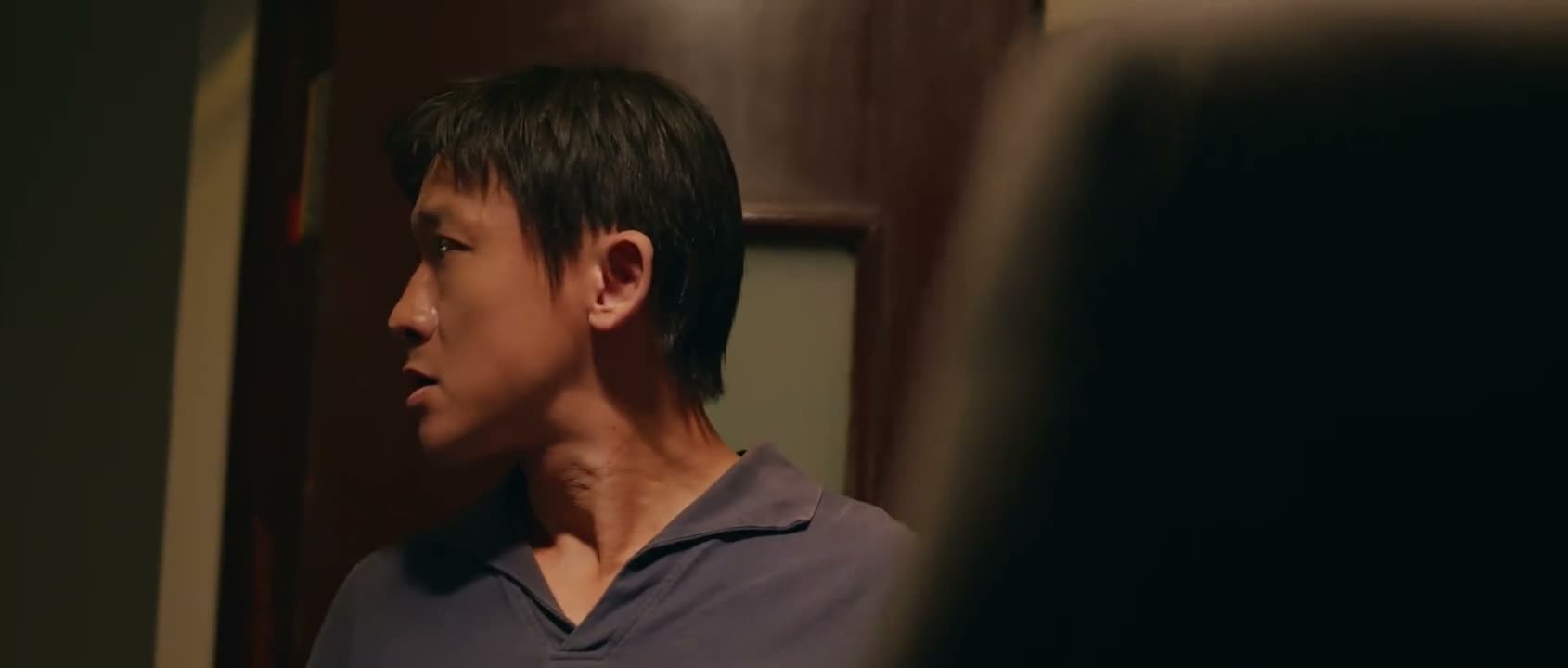
“I really don't have the money right now.”

“I don't have that money. Who says we don't have money?”

“I don't have any money on me right now. I don't have any cash.”

“Are you scared or are your pockets empty?”