我把丑话说在前头
“I must warn you,”
THE DIALOGUE REEL
对 老实人犯错了吗 没有 就是 对
“Yes. Is being a good man wrong? -No. -Not at all! That's it!”
我 把丑话说在前头
“I must warn you,”
今天你们如果不抓他 日后 他肯定还找碴跟我们干
“if you don't arrest him today, he'll definitely come back to mess with us again.”
“Don't blame me later if things escalate when you refuse to handle this now.”
In Chinese communication, which often values indirect politeness, explicitly announcing 'ugly words' gives fair warning and avoids future disputes or accusations of deceit.
LEARNING CHUNKS & PARTICLES
to lay down the harsh truth or warning upfront
A very common colloquial idiom used before delivering an unpleasant condition, warning, or boundary.
VOCABULARY & EXPRESSIONS
Parallel Spoken Cinema Scenes (语义近邻切片)

“I'm saying this upfront,”
“So we have to tell you the truth first.”
“But I must be clear up front.”

“But I have to be upfront.”
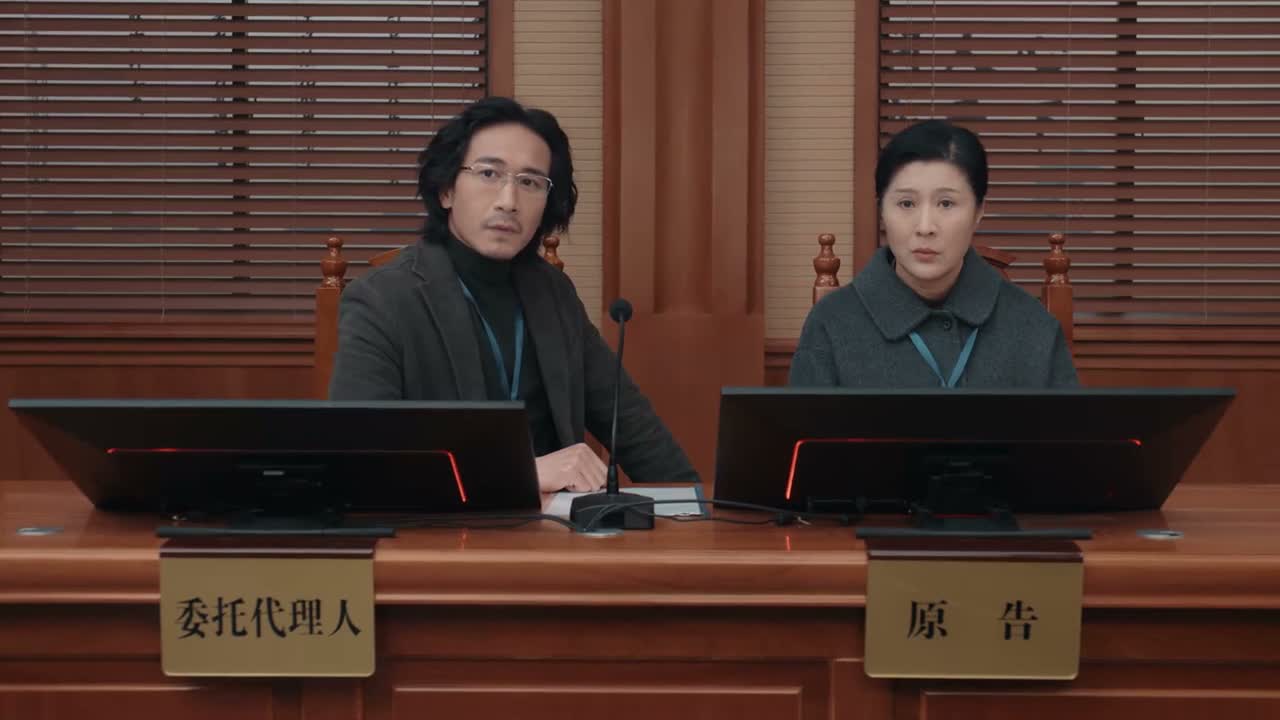
“But let me be clear,”

“Let me speak plainly before anything else.”

“let's get this straight first.”

“But let me be clear, if you suffer losses in the future and are left with nothing,”

“Also, I'll say this plainly. He said he'd be a soldier?”
“Let me say the hard part first.”

“But I have to say this upfront.”