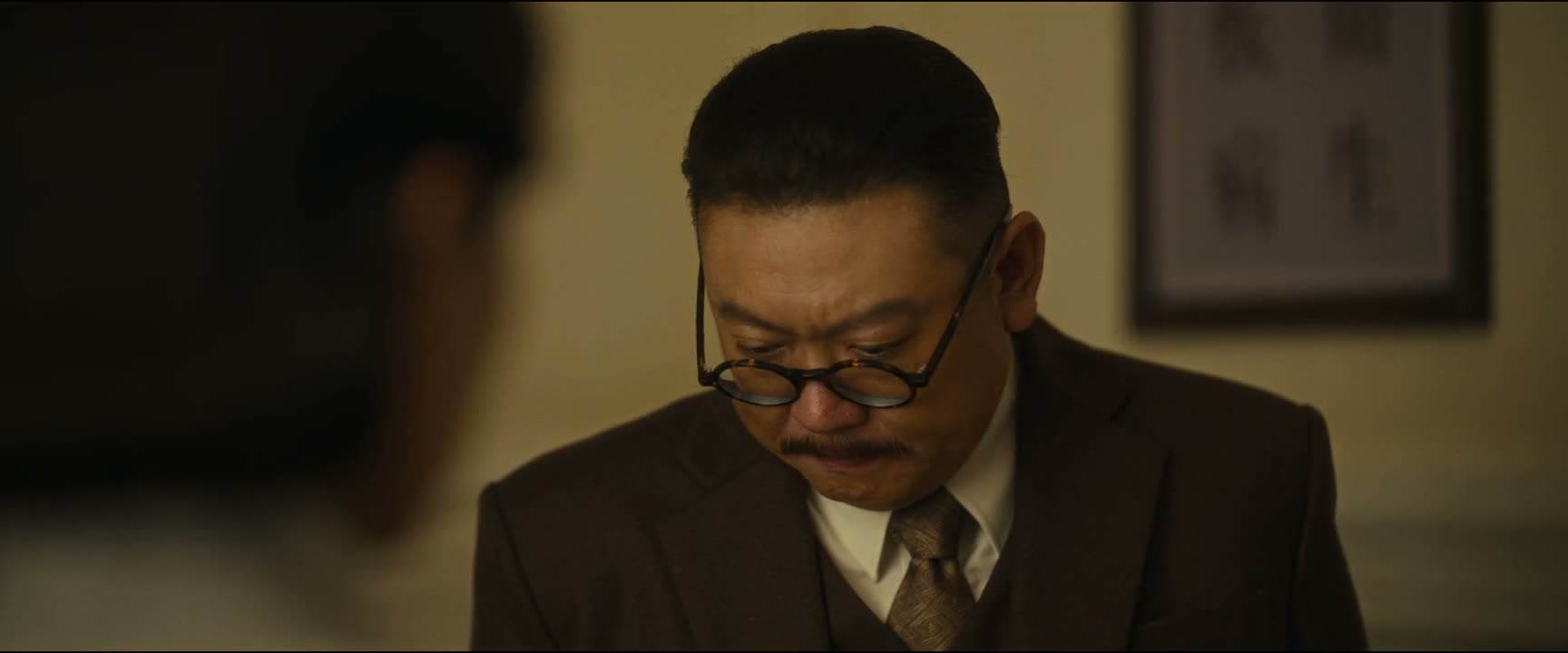
但是 我得把丑话说在前面
“But I have to say this upfront.”
THE DIALOGUE REEL
我会努力的 拉长
“I will try my best, Ms. Zhang.”
但是 我得 把丑话说在前面
“But I have to say this upfront.”
你干得要让我不满意
“If you don't perform well enough”
“Don't count on personal sympathy if you mess up—I will fire you without hesitation.”
In Chinese business and workplace interpersonal dynamics, stating unpleasant consequences in advance protects both parties' face later, establishing a clear professional boundary.
LEARNING CHUNKS & PARTICLES
to give a blunt warning upfront; to lay down harsh terms beforehand
A very common idiomatic phrase used before delivering harsh truths, strict conditions, or realistic expectations to prevent future disputes.
VOCABULARY & EXPRESSIONS
Parallel Spoken Cinema Scenes (语义近邻切片)

“But I have to be upfront.”
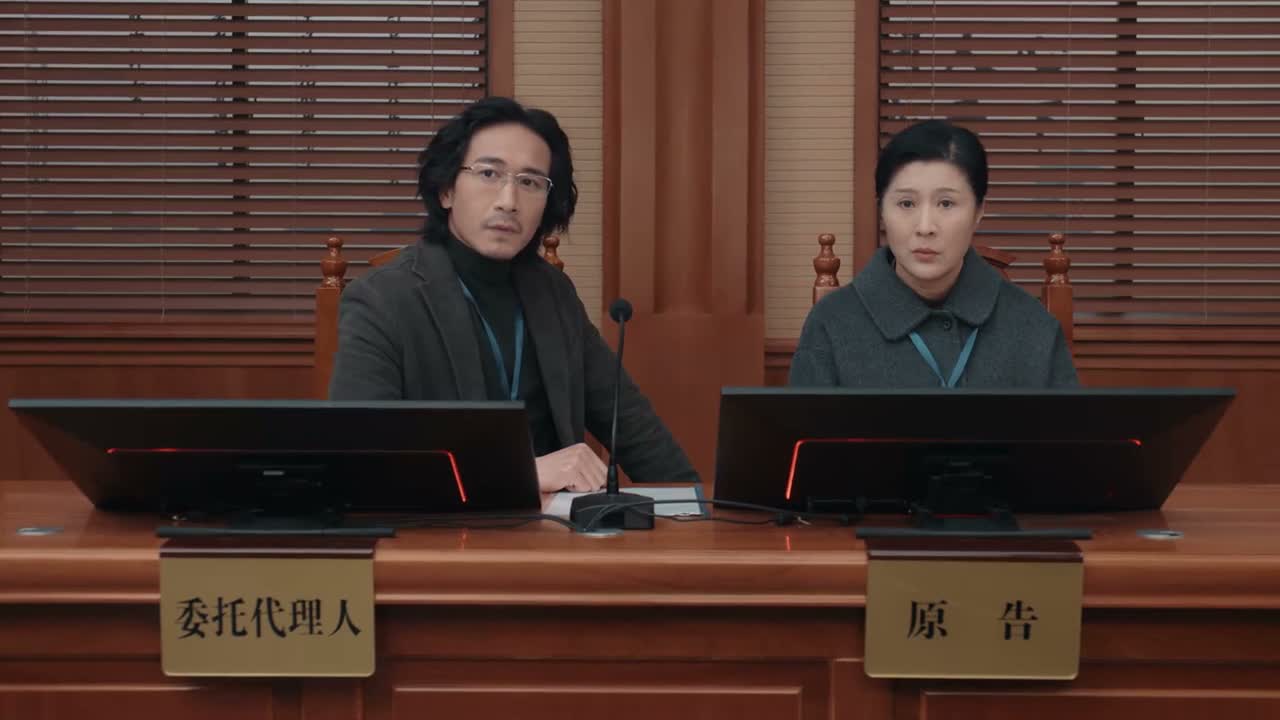
“But let me be clear,”

“But let me be clear, if you suffer losses in the future and are left with nothing,”
“So we have to tell you the truth first.”

“Let me speak plainly before anything else.”

“But I'll be honest,”
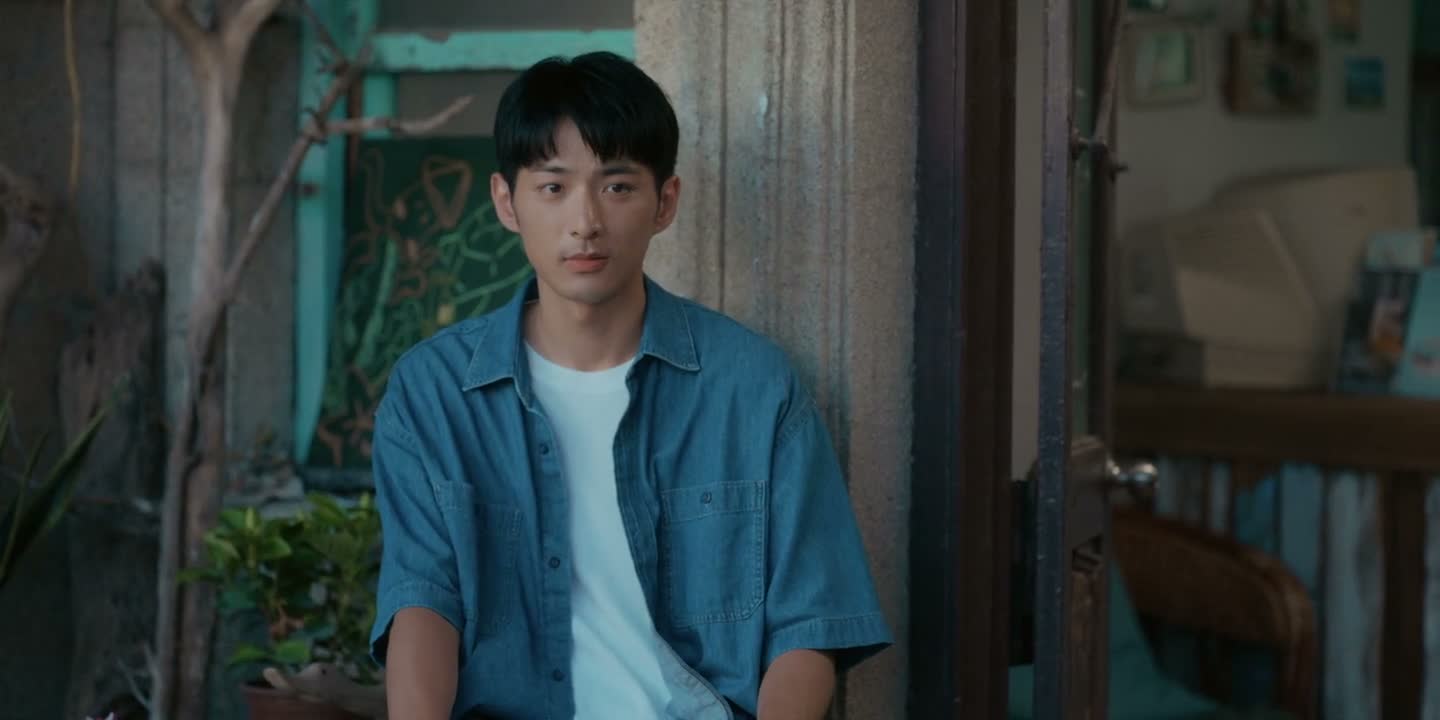
“Okay, let me make this clear.”
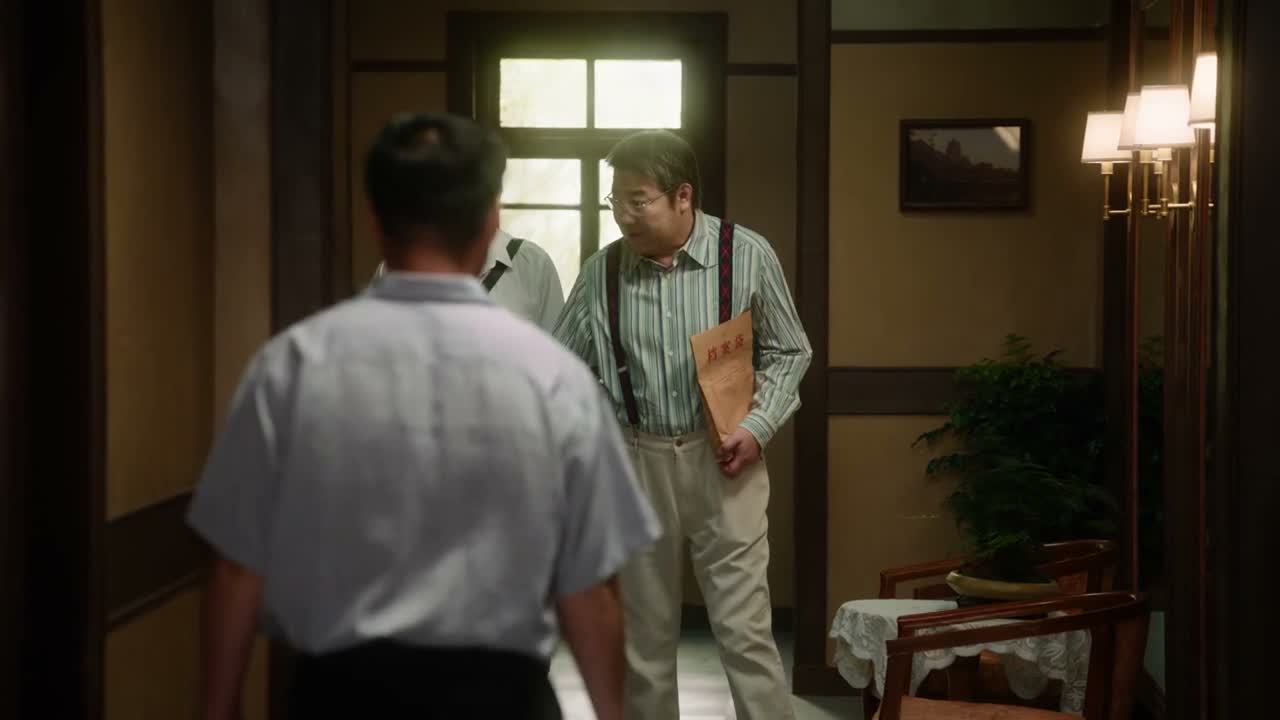
“Let me say the hard part first.”

“Also, I'll say this plainly. He said he'd be a soldier?”

“I must warn you,”
“But I must be clear up front.”