他岂不是连自杀都自杀不了
“then wouldn't he be unable even to kill himself?”
THE DIALOGUE REEL
如果他的身体被那个意识控制了
“But if that other consciousness takes control of his body—”
他 岂不是 连自杀都自杀不了
“then wouldn't he be unable even to kill himself?”
他要怎么杀死那个意识呢
“So how is he supposed to destroy that other consciousness?”
Direct spoken expression in this communicative setting.
Chinese speakers often employ rhetorical markers like '岂不是' to underscore the absurdity or horror of a situation rather than genuinely asking for information.
LEARNING CHUNKS & PARTICLES
wouldn't that mean; does it not imply
A rhetorical conjunction used to introduce an obvious, often absurd or dire consequence.
even... (cannot even)
A classic emphatic structure used to highlight an extreme or baseline condition.
VOCABULARY & EXPRESSIONS
Parallel Spoken Cinema Scenes (语义近邻切片)

“I'm not afraid of death. That's true.”
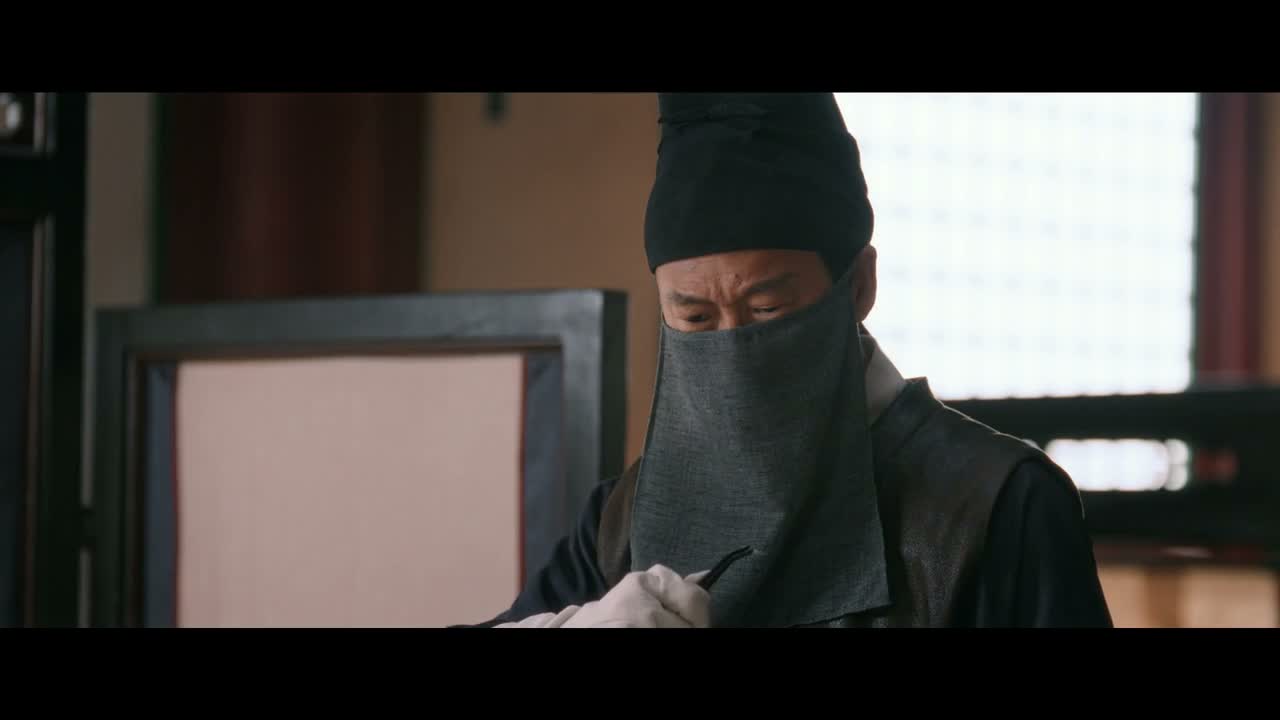
“Could it have been suicide?”

“so he cannot be easily disposed of.”
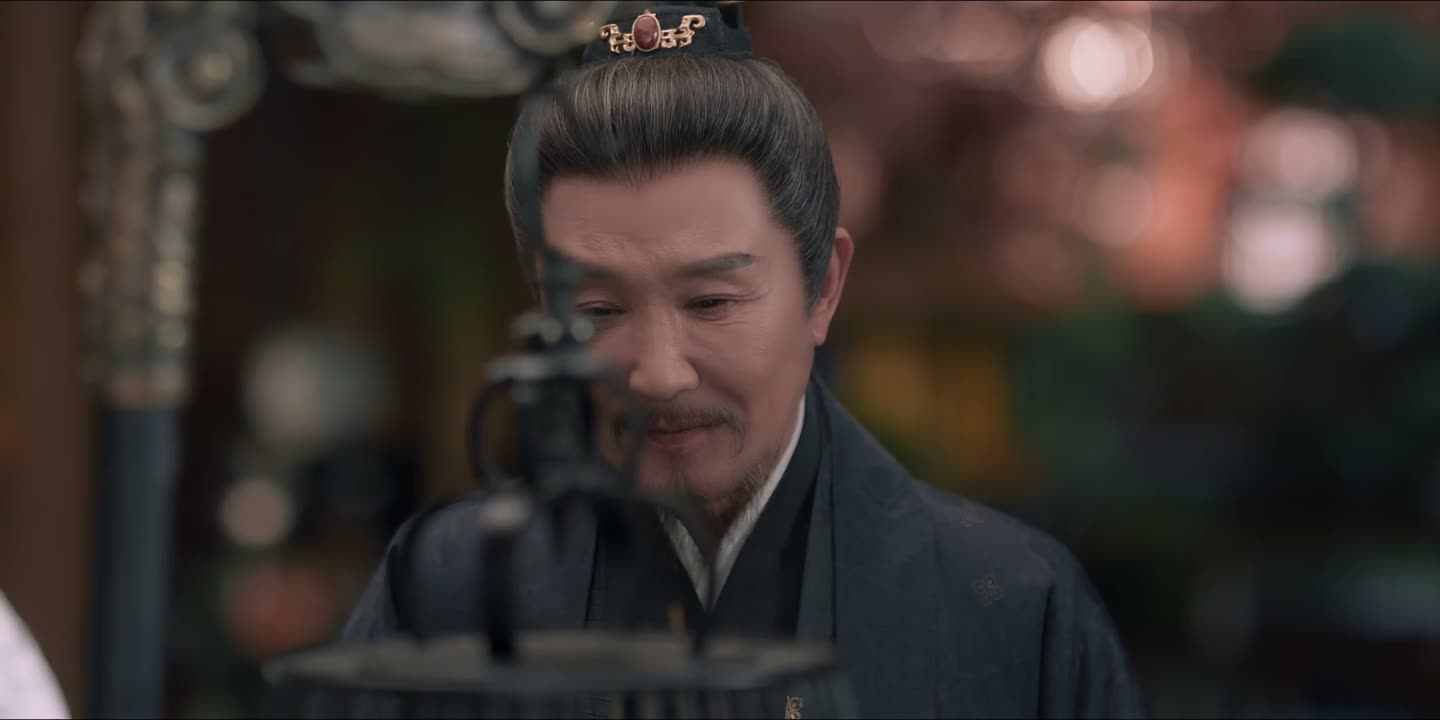
“He won't die easily.”

“then, the victim was literally tortured to death?”

“wouldn't die so easily.”